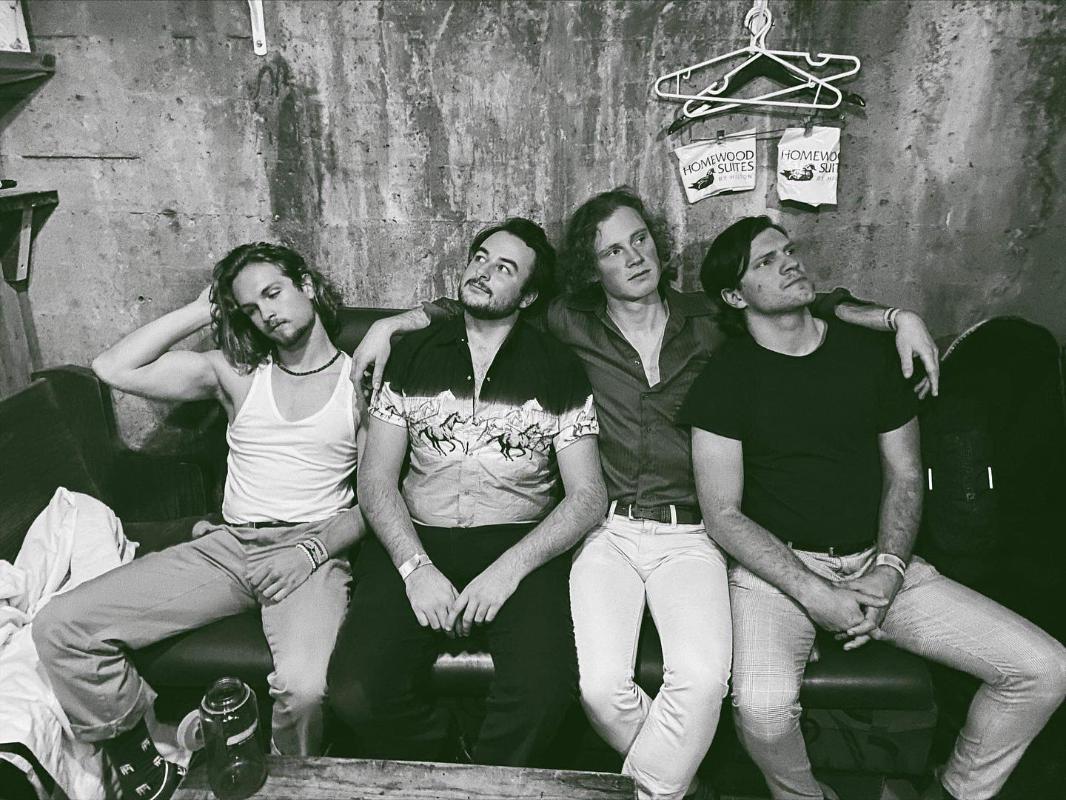
The Door Stoppers

Rock
Alternative Rock
 Viberate Rank: 415258
 Viberate Rank: 415258
 Monthly ListenersFollowers
 Subscribers
 Followers
 Followers
 FansTop Spotify Songs
| Track | 7-Day Streams | |
|---|---|---|
1 | 123 | |
2 | 66 | |
3 | 37 | |
4 | 29 | |
5 | 27 |
Top YouTube VideosMonthly ListenersFeatured in Playlists| Playlist | Followers | |
|---|---|---|
1 |  Pinoy Rock / Indie Rock Philippines 2026 Tom Burton Playlists | 3.22K |
Audience| City | Monthly Listeners | |
|---|---|---|
1 | | 61 |
2 | | 39 |
3 | | 33 |
4 | | 28 |
5 | | 27 |
See full performance history, audience data, playlist activity, rankings, comparisons, and more in Viberate music analytics. Start with a free trial, then continue with a paid plan.
The Door Stoppers’ Spotify BioThe Door Stoppers were formed in 2020 as two high school friends reunited once again. Migui Pancho and Aidan Mararac were classmates in high school and have formed a band during their time. They became best friends through the love of rock and roll music, football, and basketball.
While in UST, Migui became familiar with the music scene by joining MUSIKAT, and playing drums in bands. While he was studying Information Systems, he formed the band Undercovers, which released 2 singles, but since then disbanded by 2022.
By 2020, before the pandemic struck, the two reunited in a rehearsal studio by jamming just like old times. During the pandemic, Migui introduced Joshua Dizon as the main producer for The Door Stoppers, and thus All the Things, All the Crazy Things were released by 2021.
By 2023, they met Nico Galdiano, originally to play the drums, but switched to play the bass instead. Nico introduced his friend, Ronald Rosete to play the drums. They played their first show in 2024 as The… Door Stoppers. Not long, Nico had to leave the band and has been replaced by Rad Sazon. Also in the same year, they signed with Jam Lemon Records.
Their new EP Pillars was released on February 27, 2026
The Door Stoppers now consists of Migui Pancho (vocals, guitars), Aidan Mararac (guitars), Rad Sazon (bass), and Ronald Rosete (drums)
Viberate is a music analytics platform built for A&Rs, artist managers, labels, booking agents, marketers, and artists.
It helps music professionals track artist growth, analyze audience data, monitor playlist activity, compare artists, follow song performance, and identify opportunities across the music market.
Public artist pages provide a free preview of selected artist data. Paid plans provide access to deeper analytics, historical data, charts, comparisons, playlist tools, exports, alerts, reports, and additional professional features.
Yes. Public Viberate artist pages provide selected artist analytics and music data for free.
Viberate also offers a 7-day free trial of the full platform. A credit card is required to start the trial. The trial includes access to the complete product so users can test deeper artist analytics, historical views, playlist insights, comparisons, charts, exports, alerts, and reporting features before choosing a paid plan.
Viberate provides artist analytics across streaming, playlists, social media, video, radio airplay, songs, and audience markets.
Users can analyze Spotify performance, Spotify and Apple Music playlists, YouTube activity, TikTok and Instagram growth, radio spins, song performance, audience locations, demographics, rankings, and overall artist momentum.
Artist profiles also connect to music charts, similar artists, and comparison tools, helping users benchmark performance and evaluate artists in context.
Viberate updates key artist and track data daily.
For followed artists and tracks, selected data is refreshed multiple times per day. This helps teams monitor playlist changes, streaming movement, audience growth, releases, and campaign performance with more current data.
Update frequency can vary depending on the metric and data source.
Yes. Viberate lets users compare up to five artists side by side across streaming, social media, audience, and engagement metrics.
Users can compare fanbase growth, audience demographics, locations, Spotify performance, social metrics, and other artist data over selected time periods.
Artist comparison can be used for A&R scouting, benchmarking, booking decisions, campaign planning, and evaluating artists with similar audiences or market positions.