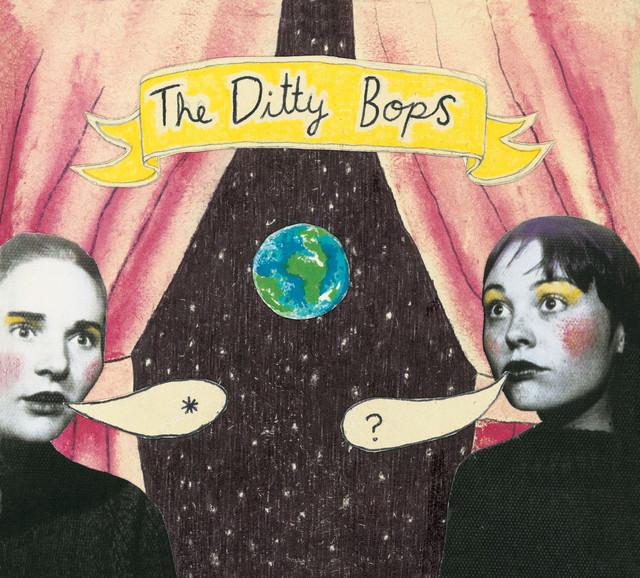
The Ditty Bops

Country
Bluegrass
Alternative Rock
 Viberate Rank: 237654
 Viberate Rank: 237654
 Monthly ListenersFollowers
 Subscribers
 Followers
 Followers
 FansTop Spotify Songs
| Track | 7-Day Streams | |
|---|---|---|
1 | 1.09K | |
2 | 850 | |
3 | 792 | |
4 | 627 | |
5 | 589 |
Top YouTube VideosMonthly ListenersFeatured in Playlists| Playlist | Followers | |
|---|---|---|
1 | lisa_anthem | 35.27K |
2 |  sapphic/wlw bops thorn | 22.88K |
3 |  the L word Soundtrack (Season 1-6) val_toriello | 19.84K |
4 |  Top Hits: Grey's Anatomy Sony Channel LA | 19.27K |
5 |  greys anatomy vibes all the way Liv Kalman | 13.90K |
Audience| City | Monthly Listeners | |
|---|---|---|
1 | | 133 |
2 | | 121 |
3 | | 112 |
4 |  | 90 |
5 |  | 83 |
See full performance history, audience data, playlist activity, rankings, comparisons, and more in Viberate music analytics. Start with a free trial, then continue with a paid plan.
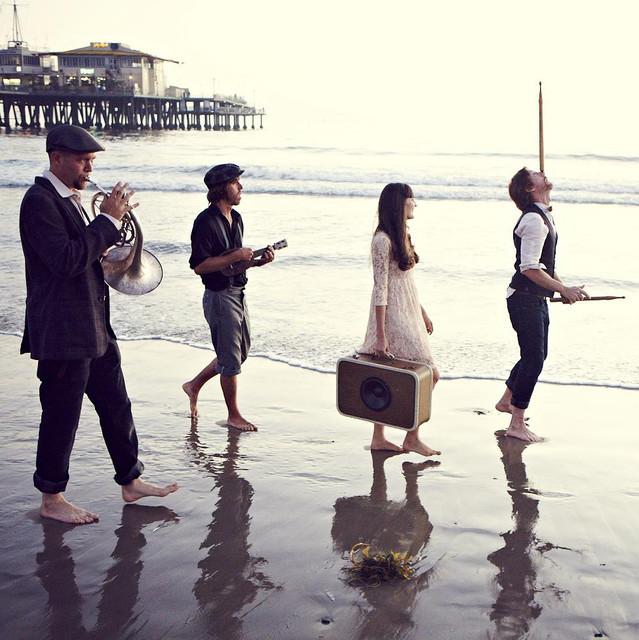
The Ditty Bops’ Spotify BioPurveying an utterly charming sound that borrows from folk, pop, Western swing, and early vocal jazz, Los Angeles' fancifully named Ditty Bops feature the tightly woven harmonies of Amanda Barrett (who also handles mandolin and dulcimer duties) and Abby DeWald (who also plays guitar). Though Barrett and DeWald met in New York City in the late '90s, they didn't begin playing music until they moved back to California. Barrett spent her childhood in Topanga and learned to play fretted dulcimer when she was six, then moved to Europe to model as a teen before moving to New York in her early twenties. DeWald, meanwhile, grew up in northern California and took piano lessons as a child; growing up in a house where only classical was played, she nevertheless developed a fascination with ragtime music and electric blues. A stint in a band that played '20s covers in period costumes inspired the duo to make the Ditty Bops just as theatrical, if not as strictly traditional: puppet shows,… illustrations, and fancy dresses and wigs give their live shows a hint of cabaret. The Ditty Bops were discovered by Warner Bros. at one of their shows in the L.A. area; after signing to the label, they released their self-titled, Mitchell Froom-produced debut album. Late that year, the group toured the U.S. with the equally theatrical Dresden Dolls and Count Zero. In 2006 the Ditty Bops' sophomore album, Moon Over the Freeway, came out, accompanied by a nationwide bicycle tour. ~ Heather Phares, Rovi
Viberate is a music analytics platform built for A&Rs, artist managers, labels, booking agents, marketers, and artists.
It helps music professionals track artist growth, analyze audience data, monitor playlist activity, compare artists, follow song performance, and identify opportunities across the music market.
Public artist pages provide a free preview of selected artist data. Paid plans provide access to deeper analytics, historical data, charts, comparisons, playlist tools, exports, alerts, reports, and additional professional features.
Yes. Public Viberate artist pages provide selected artist analytics and music data for free.
Viberate also offers a 7-day free trial of the full platform. A credit card is required to start the trial. The trial includes access to the complete product so users can test deeper artist analytics, historical views, playlist insights, comparisons, charts, exports, alerts, and reporting features before choosing a paid plan.
Viberate provides artist analytics across streaming, playlists, social media, video, radio airplay, songs, and audience markets.
Users can analyze Spotify performance, Spotify and Apple Music playlists, YouTube activity, TikTok and Instagram growth, radio spins, song performance, audience locations, demographics, rankings, and overall artist momentum.
Artist profiles also connect to music charts, similar artists, and comparison tools, helping users benchmark performance and evaluate artists in context.
Viberate updates key artist and track data daily.
For followed artists and tracks, selected data is refreshed multiple times per day. This helps teams monitor playlist changes, streaming movement, audience growth, releases, and campaign performance with more current data.
Update frequency can vary depending on the metric and data source.
Yes. Viberate lets users compare up to five artists side by side across streaming, social media, audience, and engagement metrics.
Users can compare fanbase growth, audience demographics, locations, Spotify performance, social metrics, and other artist data over selected time periods.
Artist comparison can be used for A&R scouting, benchmarking, booking decisions, campaign planning, and evaluating artists with similar audiences or market positions.