The Devotions

R&B
Contemporary R&B
Soul
 Viberate Rank: 442962
 Viberate Rank: 442962
 Monthly ListenersFollowers
 Subscribers
 Followers
 Followers
 FansTop Spotify Songs
| Track | 7-Day Streams | |
|---|---|---|
1 | 532 | |
2 | 14 | |
3 | 12 | |
4 | 8 | |
5 | 5 |
Top YouTube VideosMonthly ListenersFeatured in Playlists| Playlist | Followers | |
|---|---|---|
1 |  Vintage Halloween Spooks Mandy Arnold | 4.61K |
2 |  Up tempo Doo-wop!💥 Kydenn08 | 2.26K |
3 |  MONSTER MASH 🎃👻//classic novelty halloween devin leigh | 1.53K |
4 | 1001 Greatest singles ever made Lasse Nordgren | 1.26K |
Audience| City | Monthly Listeners | |
|---|---|---|
1 | | 20 |
2 | | 19 |
3 | | 9 |
4 | | 9 |
5 | | 9 |
See full performance history, audience data, playlist activity, rankings, comparisons, and more in Viberate music analytics. Start with a free trial, then continue with a paid plan.
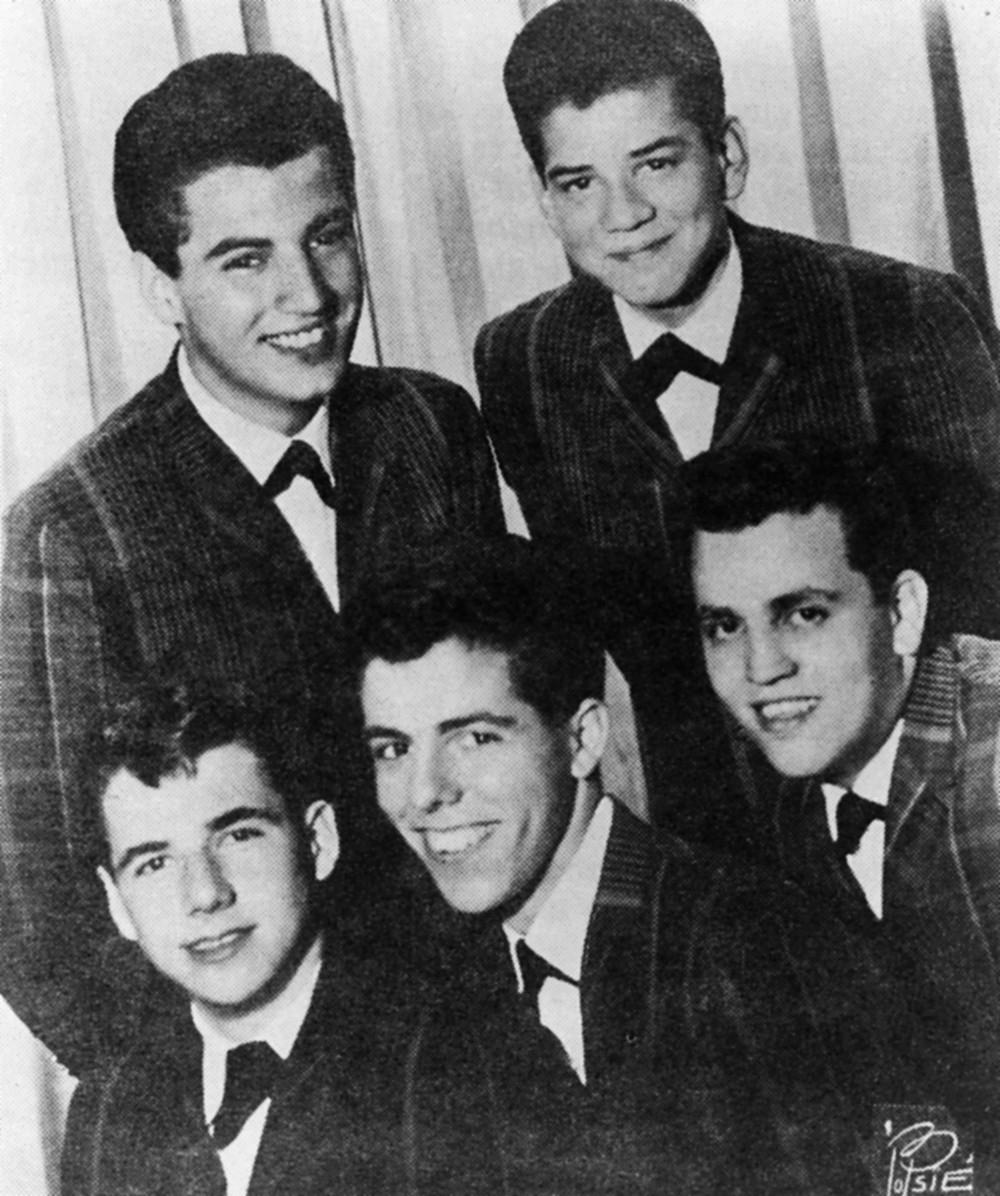
The Devotions’ Spotify BioFormed in 1960 in Astoria, New York, USA, the Devotions were a doo-wop group best known for their 1964 novelty recording ‘Rip Van Winkle’. The group included Ray Sanchez, who sang bass-lead, Bob Weisbrod, Bob Hovorka and brothers Frank and Joe Pardo. With their manager, the group auditioned in 1960 for a small record label, Delta, whose owner, Bernie Zimming, was not impressed with their sound. The group wrote ‘Rip Van Winkle’ that day and Zimming liked it. However, it did not sell, but two years later, when the larger Roulette Records acquired Delta, it was released again. It still did not reach the charts, and the group disbanded. In 1964, however, Roulette included the song as part of a Golden Goodies album series and it attracted more attention. Roulette issued the single for a third time and this time it made the US Top 40. A new Devotions group was assembled including three original members, but when further singles flopped, they disbanded in 1965.
Viberate is a music analytics platform built for A&Rs, artist managers, labels, booking agents, marketers, and artists.
It helps music professionals track artist growth, analyze audience data, monitor playlist activity, compare artists, follow song performance, and identify opportunities across the music market.
Public artist pages provide a free preview of selected artist data. Paid plans provide access to deeper analytics, historical data, charts, comparisons, playlist tools, exports, alerts, reports, and additional professional features.
Yes. Public Viberate artist pages provide selected artist analytics and music data for free.
Viberate also offers a 7-day free trial of the full platform. A credit card is required to start the trial. The trial includes access to the complete product so users can test deeper artist analytics, historical views, playlist insights, comparisons, charts, exports, alerts, and reporting features before choosing a paid plan.
Viberate provides artist analytics across streaming, playlists, social media, video, radio airplay, songs, and audience markets.
Users can analyze Spotify performance, Spotify and Apple Music playlists, YouTube activity, TikTok and Instagram growth, radio spins, song performance, audience locations, demographics, rankings, and overall artist momentum.
Artist profiles also connect to music charts, similar artists, and comparison tools, helping users benchmark performance and evaluate artists in context.
Viberate updates key artist and track data daily.
For followed artists and tracks, selected data is refreshed multiple times per day. This helps teams monitor playlist changes, streaming movement, audience growth, releases, and campaign performance with more current data.
Update frequency can vary depending on the metric and data source.
Yes. Viberate lets users compare up to five artists side by side across streaming, social media, audience, and engagement metrics.
Users can compare fanbase growth, audience demographics, locations, Spotify performance, social metrics, and other artist data over selected time periods.
Artist comparison can be used for A&R scouting, benchmarking, booking decisions, campaign planning, and evaluating artists with similar audiences or market positions.


