The Delta 72

Rock
Alternative Rock
Garage Rock
 Viberate Rank: 542255
 Viberate Rank: 542255
 Monthly ListenersFollowers
 Subscribers
 Followers
 Followers
 FansTop Spotify Songs
| Track | 7-Day Streams | |
|---|---|---|
1 | 63 | |
2 | 37 | |
3 | 21 | |
4 | 21 | |
5 | 20 |
Top YouTube VideosMonthly ListenersFeatured in Playlists| Playlist | Followers | |
|---|---|---|
1 |  Hidden Hollow Playlists radicalfaceofficial | 1.81K |
2 | Endless Pandemic Endless Playlist David Malitz | 1.63K |
Audience| City | Monthly Listeners | |
|---|---|---|
1 | | 13 |
2 | | 12 |
3 | | 12 |
4 | | 10 |
5 | | 10 |
See full performance history, audience data, playlist activity, rankings, comparisons, and more in Viberate music analytics. Start with a free trial, then continue with a paid plan.
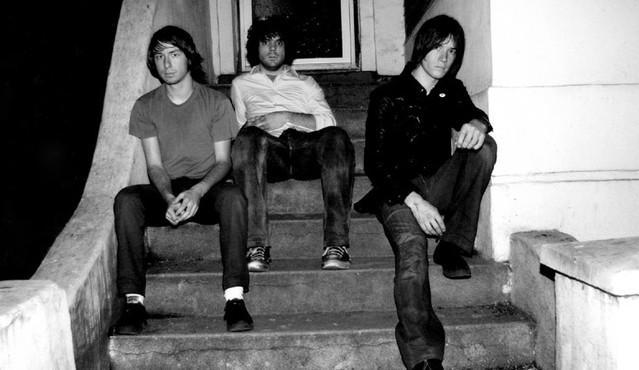
The Delta 72’s Spotify BioCall them R&B's equivalent to the Jon Spencer Blues Explosion; the Delta 72 played revved-up indie rock with more influence from the helter-skelter mayhem of '60s garage rock (complete with Farfisa organ breakdowns) and blues-based punk than from original R&B. Formed in mid-1994 by vocalist and guitarist Gregg Foreman with drummer Ben Azzara and organist Sarah Stolfa, the Delta 72 added bassist Kim Thompson (from Cupid Car Club) and began touring the East Coast and Midwest. The group's first single, "On the Rocks," was jointly released by Dischord and Kill Rock Stars in June 1995. Early the following year, the Delta 72 recorded The R&B of Membership with new drummer Jason Kourkounis (formerly of Mule), and released the album on the Touch & Go label. After its release, Bruce Reckahn (of the Goats) replaced Thompson on bass. Midway through 1997, the band issued its second album, The Soul of a New Machine. 000 arrived in 2000; however, the Delta 72 broke up in July of the following year.… ~ John Bush, Rovi
Viberate is a music analytics platform built for A&Rs, artist managers, labels, booking agents, marketers, and artists.
It helps music professionals track artist growth, analyze audience data, monitor playlist activity, compare artists, follow song performance, and identify opportunities across the music market.
Public artist pages provide a free preview of selected artist data. Paid plans provide access to deeper analytics, historical data, charts, comparisons, playlist tools, exports, alerts, reports, and additional professional features.
Yes. Public Viberate artist pages provide selected artist analytics and music data for free.
Viberate also offers a 7-day free trial of the full platform. A credit card is required to start the trial. The trial includes access to the complete product so users can test deeper artist analytics, historical views, playlist insights, comparisons, charts, exports, alerts, and reporting features before choosing a paid plan.
Viberate provides artist analytics across streaming, playlists, social media, video, radio airplay, songs, and audience markets.
Users can analyze Spotify performance, Spotify and Apple Music playlists, YouTube activity, TikTok and Instagram growth, radio spins, song performance, audience locations, demographics, rankings, and overall artist momentum.
Artist profiles also connect to music charts, similar artists, and comparison tools, helping users benchmark performance and evaluate artists in context.
Viberate updates key artist and track data daily.
For followed artists and tracks, selected data is refreshed multiple times per day. This helps teams monitor playlist changes, streaming movement, audience growth, releases, and campaign performance with more current data.
Update frequency can vary depending on the metric and data source.
Yes. Viberate lets users compare up to five artists side by side across streaming, social media, audience, and engagement metrics.
Users can compare fanbase growth, audience demographics, locations, Spotify performance, social metrics, and other artist data over selected time periods.
Artist comparison can be used for A&R scouting, benchmarking, booking decisions, campaign planning, and evaluating artists with similar audiences or market positions.