The Dead End Streets

Country
Americana/Alt Country
 Viberate Rank: 792060
 Viberate Rank: 792060
 Monthly ListenersFollowers
 Subscribers
 Followers
 Followers
 FansTop Spotify Songs
| Track | 7-Day Streams | |
|---|---|---|
1 | 11 |
Top YouTube VideosMonthly ListenersFeatured in Playlists| Playlist | Followers | |
|---|---|---|
1 |  🎄 Obscure Christmas 🎄 qaz23 | 1.42K |
Audience| City | Monthly Listeners | |
|---|---|---|
1 | | 3 |
See full performance history, audience data, playlist activity, rankings, comparisons, and more in Viberate music analytics. Start with a free trial, then continue with a paid plan.
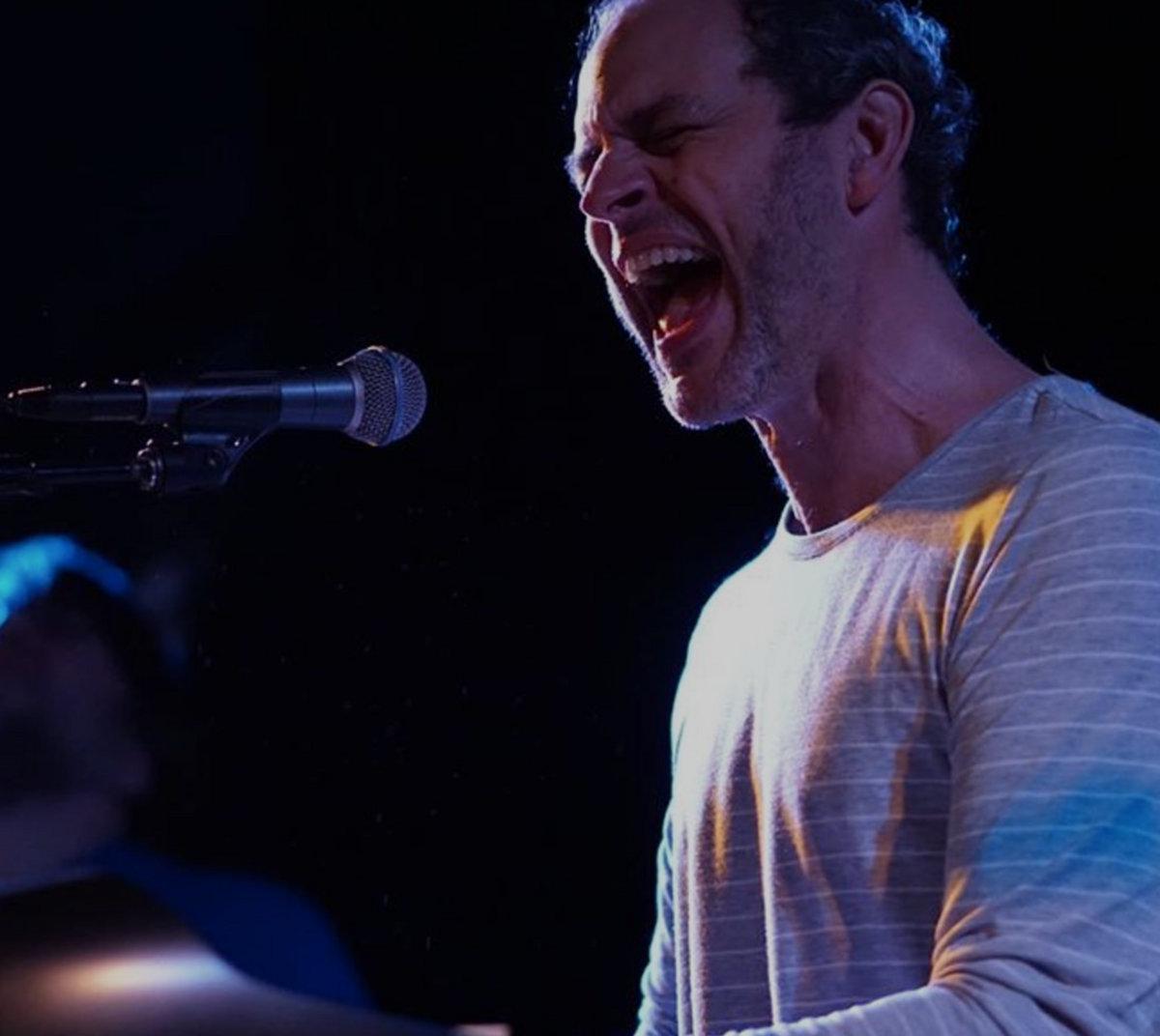
The Dead End Streets’ Spotify BioThe band that Scott Mervis of the Pittsburgh Post Gazette called a "Pittsburgh Supergroup" began when singer/songwriter Matt Aquiline repatriated to Pgh. after two decades living and performing in DC. To help bring his sound home , Aquiline enlisted a group of musicians with long and distinguished histories on the Pittsburgh music scene , which now includes Tom Hohn (The Cynics, The Frampton Brothers) on Drums, Ray Vasko (The Frampton Brothers, Fungus) on Bass, Bill Maruca (Sandoz, The Pawnbrokers, Billy Price) on Keys and accordion, Alex Hershey (Bluebird and The Message) on Lead Guitar, Greg Eggert (The Rumpshakers) on Trumpet, Hannah Veri (Into Fido) on Saxophone and the outstanding Vocalist, Heather Catley. The band released its first EP "Coming Home" in December 2017. The band released "No Excuse Not To Have a Merry Christmas," in 2018, "Snowball Fight on the 4th of July" in July 2019 and "The Time Has Come" in 2020, on which Catley is joined by legendary Pittsburgh vocalist… Stevee Wellons (Soulful Femme). The band released its first full LP "Seems I Survived" on October 7, 2022. Scott Mervis of The Pgh Post-Gazette said The Dead End Streets brings to mind The Band, John Hiatt, Jayhawks, Green on Red, etc.
Stellar songwriting and exceptional musicianship lead to a sound that marries folk, rock, blues, country and a little blue-eyed soul into Roots Rock that is pure Pittsburgh, with skill, authenticity and the kind of depth you develop surviving a few cold Winters.
Viberate is a music analytics platform built for A&Rs, artist managers, labels, booking agents, marketers, and artists.
It helps music professionals track artist growth, analyze audience data, monitor playlist activity, compare artists, follow song performance, and identify opportunities across the music market.
Public artist pages provide a free preview of selected artist data. Paid plans provide access to deeper analytics, historical data, charts, comparisons, playlist tools, exports, alerts, reports, and additional professional features.
Yes. Public Viberate artist pages provide selected artist analytics and music data for free.
Viberate also offers a 7-day free trial of the full platform. A credit card is required to start the trial. The trial includes access to the complete product so users can test deeper artist analytics, historical views, playlist insights, comparisons, charts, exports, alerts, and reporting features before choosing a paid plan.
Viberate provides artist analytics across streaming, playlists, social media, video, radio airplay, songs, and audience markets.
Users can analyze Spotify performance, Spotify and Apple Music playlists, YouTube activity, TikTok and Instagram growth, radio spins, song performance, audience locations, demographics, rankings, and overall artist momentum.
Artist profiles also connect to music charts, similar artists, and comparison tools, helping users benchmark performance and evaluate artists in context.
Viberate updates key artist and track data daily.
For followed artists and tracks, selected data is refreshed multiple times per day. This helps teams monitor playlist changes, streaming movement, audience growth, releases, and campaign performance with more current data.
Update frequency can vary depending on the metric and data source.
Yes. Viberate lets users compare up to five artists side by side across streaming, social media, audience, and engagement metrics.
Users can compare fanbase growth, audience demographics, locations, Spotify performance, social metrics, and other artist data over selected time periods.
Artist comparison can be used for A&R scouting, benchmarking, booking decisions, campaign planning, and evaluating artists with similar audiences or market positions.