The Dark Nebula

Metal
Death Metal
 Viberate Rank: 797718
 Viberate Rank: 797718
 Monthly ListenersFollowers
 Subscribers
 Followers
 Followers
 FansTop Spotify Songs
| Track | 7-Day Streams | |
|---|---|---|
1 | 4 | |
2 | 3 | |
3 | 2 | |
4 | 2 | |
5 | 1 |
Top YouTube VideosMonthly ListenersFeatured in PlaylistsAudience| City | Monthly Listeners | |
|---|---|---|
1 | | 3 |
See full performance history, audience data, playlist activity, rankings, comparisons, and more in Viberate music analytics. Start with a free trial, then continue with a paid plan.
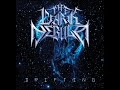
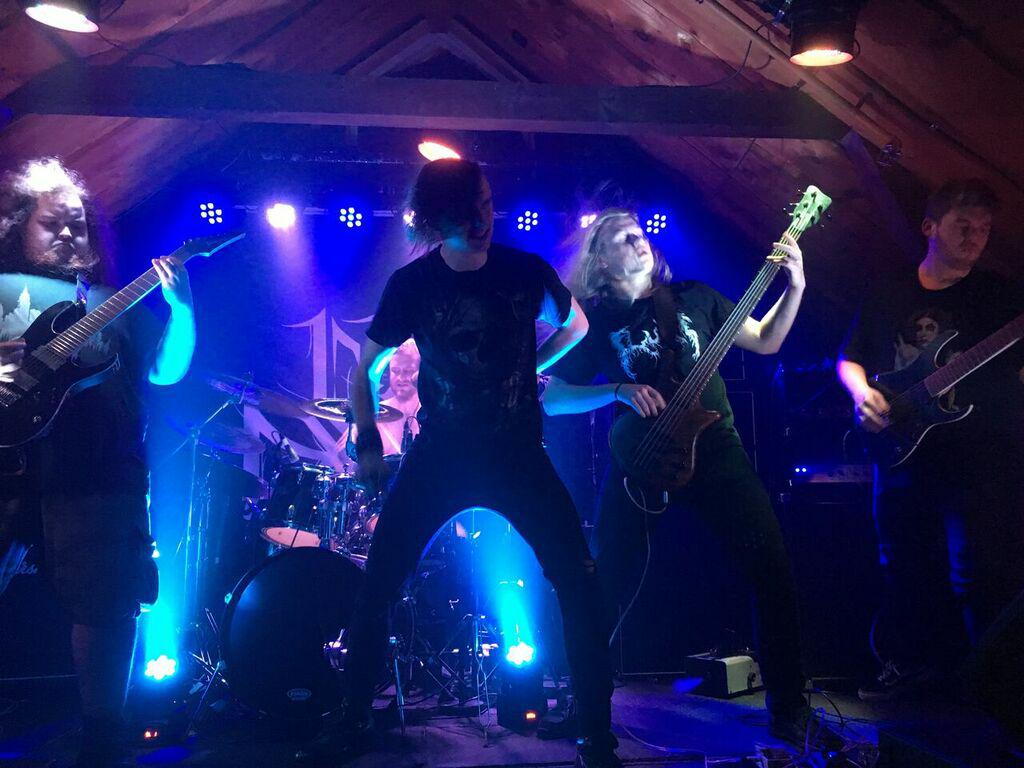
The Dark Nebula’s Spotify BioThe Dark Nebula was formed in late 2016 by Stian Gundersen. The band originally had the name "Morbid Massacre" but later changed name to The Dark Nebula.
Swapping several members on both guitars and vocals lead the band into a new sound. Some in the band suggested a name change with the reason being that the new sound was not fitting the name anymore. After the band finally found a common passion for space and sci-fi they settled on the name "The Dark Nebula" which is a pheonomenon found in space. A Dark Nebula is a cloud in space with so much density that no light can traverse through it....
After the line-up changes the band formed a lineup that would go on to record the Usurper EP.
The band first hit studio late august 2017 to record the EP, everything was finished late october but the band not being to satisfied with the sound they decided to postpone the release of their debut EP. After some discussion the band decided to re-record the whole EP again this time in the studio of Ola… Søgard, the founder and guitar player in Timewaves. This time the band was satisfied with the sound and continue on to release the EP.
The themes in The Dark Nebula, Both musically and lyrically is heavily influenced by Science Fiction and our universe in general
Sverre (rhythm guitar) departed from the band short after the release of the EP. Ola Søgard replaced Sverre and is now the bands rhythm guitarist. The Dark Nebula is now working on some future plans and some new material...
Viberate is a music analytics platform built for A&Rs, artist managers, labels, booking agents, marketers, and artists.
It helps music professionals track artist growth, analyze audience data, monitor playlist activity, compare artists, follow song performance, and identify opportunities across the music market.
Public artist pages provide a free preview of selected artist data. Paid plans provide access to deeper analytics, historical data, charts, comparisons, playlist tools, exports, alerts, reports, and additional professional features.
Yes. Public Viberate artist pages provide selected artist analytics and music data for free.
Viberate also offers a 7-day free trial of the full platform. A credit card is required to start the trial. The trial includes access to the complete product so users can test deeper artist analytics, historical views, playlist insights, comparisons, charts, exports, alerts, and reporting features before choosing a paid plan.
Viberate provides artist analytics across streaming, playlists, social media, video, radio airplay, songs, and audience markets.
Users can analyze Spotify performance, Spotify and Apple Music playlists, YouTube activity, TikTok and Instagram growth, radio spins, song performance, audience locations, demographics, rankings, and overall artist momentum.
Artist profiles also connect to music charts, similar artists, and comparison tools, helping users benchmark performance and evaluate artists in context.
Viberate updates key artist and track data daily.
For followed artists and tracks, selected data is refreshed multiple times per day. This helps teams monitor playlist changes, streaming movement, audience growth, releases, and campaign performance with more current data.
Update frequency can vary depending on the metric and data source.
Yes. Viberate lets users compare up to five artists side by side across streaming, social media, audience, and engagement metrics.
Users can compare fanbase growth, audience demographics, locations, Spotify performance, social metrics, and other artist data over selected time periods.
Artist comparison can be used for A&R scouting, benchmarking, booking decisions, campaign planning, and evaluating artists with similar audiences or market positions.