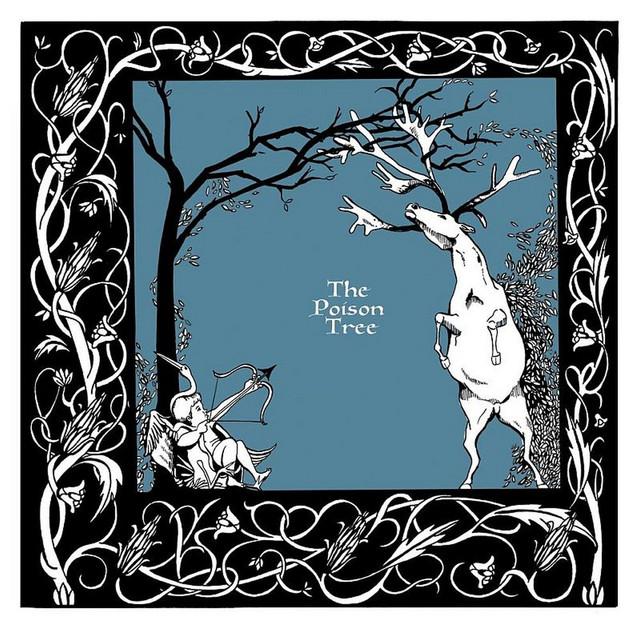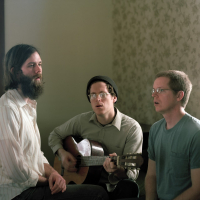
The Daredevil Christopher Wright

Pop
Indie Pop
Indie Rock
Folk Rock
 Viberate Rank: 519358
 Viberate Rank: 519358
 Monthly ListenersFollowers
 Subscribers
 Followers
 Followers
 FansTop Spotify Songs
| Track | 7-Day Streams | |
|---|---|---|
1 | 82 | |
2 | 21 | |
3 | 17 | |
4 | 17 | |
5 | 16 |
Top YouTube VideosMonthly ListenersFeatured in Playlists| Playlist | Followers | |
|---|---|---|
1 | kcrw s a m i a | a s m e l | 3.28K |
2 |  The Best Songs That I Know Of Dan Mangan | 2.36K |
3 |  BIRP! 2009 - 2019 BIRP! | 2.20K |
4 | Indie Alternative Christian Worship Sasha DeLee | 2.08K |
5 |  Bon Appetit! Songs for Cooking Playlist Giants | 1.21K |
Audience| City | Monthly Listeners | |
|---|---|---|
1 | | 14 |
2 | | 11 |
3 | | 9 |
4 | | 9 |
5 | | 8 |
See full performance history, audience data, playlist activity, rankings, comparisons, and more in Viberate music analytics. Start with a free trial, then continue with a paid plan.
The Daredevil Christopher Wright’s Spotify BioThe Daredevil Christopher Wright were formed in 2004 by brothers Jon and Jason Sunde. The brothers Sunde (Jason on vocals and bass and Jon on vocals and guitar) were joined by fellow Eau Claire, Wisconsin, musician Jesse Edgington on vocals and percussion and set about formulating their unique indie sound, drawing on influences from late-'60s British folk as well as the Laurel Canyon folk scene. The trio self-released its self-titled debut EP in September of 2005, followed by the very communal and freak folk-steeped three-song EP The East Coast in November of 2008. The band's debut full-length, In Deference to a Broken Back, arrived in May of 2009 on Amble Down Records, with nine of its 11 tracks mixed by Bon Iver main man Justin Vernon. The songs on the album were inspired in part by Jason's struggles with a debilitating back injury. Once Jason was on the mend, the band played often, opening shows for Bon Iver as well as participating in Midwestern indie festival Pygmalion and… recording a Daytrotter session. The group's second full-length album, The Nature of Things, arrived in 2012. ~ Fred Thomas, Rovi
Viberate is a music analytics platform built for A&Rs, artist managers, labels, booking agents, marketers, and artists.
It helps music professionals track artist growth, analyze audience data, monitor playlist activity, compare artists, follow song performance, and identify opportunities across the music market.
Public artist pages provide a free preview of selected artist data. Paid plans provide access to deeper analytics, historical data, charts, comparisons, playlist tools, exports, alerts, reports, and additional professional features.
Yes. Public Viberate artist pages provide selected artist analytics and music data for free.
Viberate also offers a 7-day free trial of the full platform. A credit card is required to start the trial. The trial includes access to the complete product so users can test deeper artist analytics, historical views, playlist insights, comparisons, charts, exports, alerts, and reporting features before choosing a paid plan.
Viberate provides artist analytics across streaming, playlists, social media, video, radio airplay, songs, and audience markets.
Users can analyze Spotify performance, Spotify and Apple Music playlists, YouTube activity, TikTok and Instagram growth, radio spins, song performance, audience locations, demographics, rankings, and overall artist momentum.
Artist profiles also connect to music charts, similar artists, and comparison tools, helping users benchmark performance and evaluate artists in context.
Viberate updates key artist and track data daily.
For followed artists and tracks, selected data is refreshed multiple times per day. This helps teams monitor playlist changes, streaming movement, audience growth, releases, and campaign performance with more current data.
Update frequency can vary depending on the metric and data source.
Yes. Viberate lets users compare up to five artists side by side across streaming, social media, audience, and engagement metrics.
Users can compare fanbase growth, audience demographics, locations, Spotify performance, social metrics, and other artist data over selected time periods.
Artist comparison can be used for A&R scouting, benchmarking, booking decisions, campaign planning, and evaluating artists with similar audiences or market positions.