The Dandy Warhols

Rock
Alternative Rock
 Viberate Rank: 17755
 Viberate Rank: 17755
 Monthly ListenersFollowers
 Subscribers
 Followers
 Followers
 FansTop Spotify Songs
| Track | 7-Day Streams | |
|---|---|---|
1 | 357.53K | |
2 | 96.92K | |
3 | 28.61K | |
4 | 27.16K | |
5 | 23.65K |
Top YouTube VideosMonthly ListenersFeatured in Playlists| Playlist | Followers | |
|---|---|---|
1 |  Indiespensables Spotify | 1.38M |
2 |  Indie Rock Club Spotify | 1.36M |
3 |  Indie Rock Hits 🎸 oceanify | 423.30K |
4 | 90's Grunge/Rock prevypicklebear | 328.26K |
5 |  Dive Bar Anthems Spotify | 257.25K |
Audience| City | Monthly Listeners | |
|---|---|---|
1 |  | 42.07K |
2 |  | 41.04K |
3 | | 39.99K |
4 | | 32.15K |
5 | | 23.10K |
See full performance history, audience data, playlist activity, rankings, comparisons, and more in Viberate music analytics. Start with a free trial, then continue with a paid plan.
The Dandy Warhols’ Spotify BioCombining psych rock, shoegaze, power pop, synth pop, and more with the cheeky detachment of their pop-art namesake, the Dandy Warhols are equally skilled at heady reveries and satirical pop. Early on, they scored hits with "Not If You Were the Last Junkie on Earth" (from their 1997 major-label debut, The Dandy Warhols Come Down) and "Bohemian Like You" (from 2001's Thirteen Tales from Urban Bohemia), both of which skewered hipster culture with a wit that suggested they were America's answer to Brit-pop. Later in the 2000s, they dabbled in synth pop on 2003's Welcome to the Monkey House and indulged their excesses on 2005's sprawling Odditorium or Warlords of Mars. Though more restrained efforts such as 2016's Distortland suggested the Dandy Warhols might be mellowing out in their third decade, they proved they were committed to keeping their listeners guessing with 2019's freewheeling Why You So Crazy, the expansive instrumentals of 2020's Tafelmuzik Means More When You're Alone, and… the punk and garage rock leanings of 2024's Rockmaker.
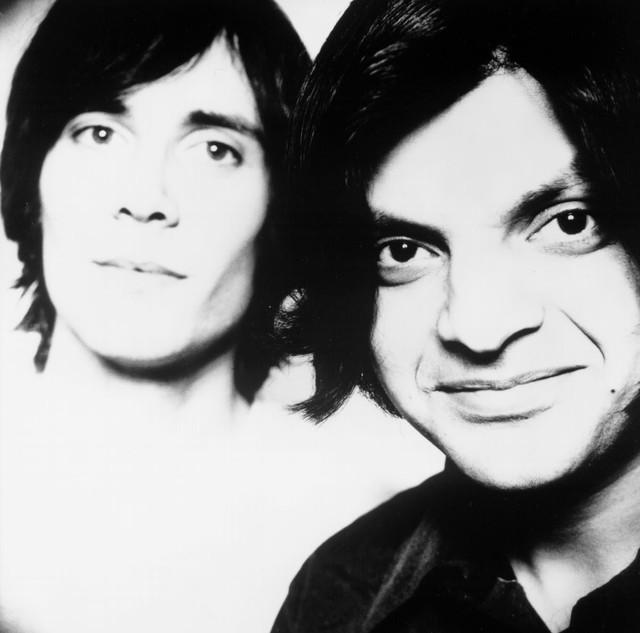
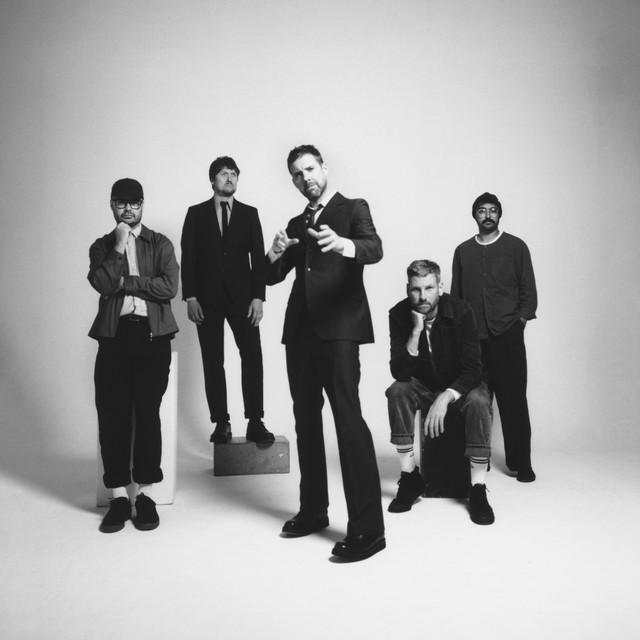
Vocalist/guitarist Courtney Taylor, keyboardist Zia McCabe, guitarist Peter Holmström, and drummer Eric Hedford formed the Dandy Warhols in Portland, Oregon in 1994. The band signed a deal with the local Tim/Kerr Records after their first show, and their debut album, Dandys Rule OK?, appeared in 1995. Featuring songs such as "Lou Weed" and "Ride," it openly acknowledged the influence of the Velvet Underground and Ride on the band's music.
Capitol Records signed the group the same year, but after the label rejected their first attempt at a second album, the band reunited with Dandys Rule OK? producer Tony Lash to make 1997's Dandy Warhols Come Down. A more polished-sounding set than their debut, the album earned the Dandy Warhols more critical acclaim and more substantial commercial success. This was especially true in the U.K., where the album was certified gold and its three singles entered the Top 40. In the U.S., the single "Not If You Were the Last Junkie on Earth" hit number 31 on the Billboard Alternative Songs chart. In 1998, Hedford left the band, with Taylor's cousin Brent DeBoer replacing him as drummer.
The Dandy Warhols returned in 2000 with their third album, Thirteen Tales from Urban Bohemia, which downplayed their psych leanings in favor of sharp-edged pop such as the single "Bohemian Like You." One of the band's definitive songs, it peaked at number 28 on Billboard's Alternative Songs chart in the U.S. and reached number five on the U.K. Singles Chart in 2001. In November of that year, the Dandy Warhols opened the Odditorium, a recording studio in northwest Portland that also functions as an art and event space. In 2002, Holmström married his longtime girlfriend and took her maiden name of Loew. Taylor also changed his name, opting to go by Courtney Taylor-Taylor after an interviewer misinterpreted the pronunciation.
To make their fourth album, Welcome to the Monkey House, the Dandy Warhols worked with Nile Rodgers, Duran Duran's Nick Rhodes, and Evan Dando. After Capitol turned down the original mix by Grammy-winning soul music engineer Russell Elevado, the final version of the album featured a synth pop and new wave-influenced mix by Rhodes. Upon its release in 2003, it went to number 118 on the Billboard 200 Albums chart and spawned another hit for the band, the synth-disco jam "We Used to Be Friends." Following live shows that included supporting David Bowie on a leg of his 2003 A Reality tour, the band remained prominent in 2004 thanks to Ondi Timoner's documentary Dig!, which chronicled the love-hate relationship between the Dandy Warhols and the Brian Jonestown Massacre and won the Documentary Grand Jury Prize at that year's Sundance Film Festival. Also in 2004, the band released The Black Album -- their name for their rejected Capitol debut -- and the compilation Come on Feel the Dandy Warhols as a double-album set on their own label Beat the World Records.
The Dandy Warhols returned with new music in 2005. Odditorium or Warlords of Mars, an expansive return to the band's psych rock roots, appeared that September, peaking at number 89 on the Billboard 200 Albums chart. Soon after, the band contributed a cover of the Everly Brothers' "All I Have to Do Is Dream" to the soundtrack of the video game Stubbs the Zombie in Rebel Without a Pulse (the song also appeared on Stubbs the Zombie: The Soundtrack). A couple of other stand-alone tracks also arrived, including the 2006 single "Have a Kick Ass Summer (Me and My Friends)" and the theme song to the 2007 film Good Luck Chuck. The band's sixth album, and first for Beat the World, 2008's Earth to the Dandy Warhols, featured collaborations with Mark Knopfler and the Heartbreakers' Mike Campbell; the album reached number 128 on Billboard's 200 Albums chart and spawned two remix EPs.
Over the next few years, the Dandy Warhols' output included contributions to the Cure tribute album Perfect as Cats and the Love and Rockets tribute album New Tales to Tell: A Tribute to Love and Rockets. They also issued archival releases: Dandy Warhols Are Sound, which presented Russell Elevado's original mix of Welcome to the Monkey House, arrived in 2009, while the following year's greatest-hits collection, Best of the Capitol Years: 1995-2007, included the previously unreleased "This Is the Tide," the first Dandy Warhols song with DeBoer on vocals. During this time, the band's members focused on other projects, ranging from Taylor-Taylor's 2009 graphic novel One Model Nation to DeBoer's 2010 solo debut, The Farmer. Loew's other band, Pete International Airport, also issued their self-titled debut in 2010, while McCabe's country band Brush Prairie released the EP Carry Yourself Back to Me in 2011. That year, the Dandy Warhols recorded an alternate version of the MythBusters theme song that the TV show used until the end of its 2014 season.
In 2012, the Dandy Warhols resurfaced with their eighth album This Machine, a more subdued set of songs that hit number 88 on the Billboard 200 Albums chart, a career high for the band. The album, which featured a collaboration with David J, also appeared on the Top Rock Albums and Alternative Albums charts, reaching number 29 and 21, respectively. The following year, they rang in the 13th anniversary of Thirteen Tales from Urban Bohemia with a deluxe version of the album and a tour that resulted in the band's first-ever live album, 2014's Thirteen Tales from Urban Bohemia Live at the Wonder. A second live recording, Live at the X-Ray Cafe, was released by Voodoo Doughnut for Record Store Day in 2016; the EP captured their eighth gig ever from 1994. That year, the Dandy Warhols released the patient and pastoral album Distortland, which reached number 43 on Billboard's Rock Albums chart. In 2017, the band issued the single "Thick Girls Knock Me Out (Richard Starkey)," while Pete International Airport released its second album, Safer with the Wolves... The Dandy Warhols' tenth album, the eclectic Why You So Crazy, arrived in January 2019 and commemorated their 25th anniversary. They followed the next year with the sprawling Tafelmuzik Means More When You're Alone -- a catalog oddity composed of previously recorded improvisations that found bandmembers playing instruments outside of their normal wheelhouses -- which clocked in at over three hours. Released at the start of the COVID-19 pandemic with proceeds going to charity, the mostly instrumental set was produced by Jacob Portrait (Unknown Mortal Orchestra) and featured Zia McCabe and Sylvain Sylvain on the album's lone vocal piece, "Zia Rolls Another." Their only other output during this period was a contribution to the Gang of Four covers compilation The Problem of Leisure, their take on "What We All Want." They also contributed their take on "What We All Want" to the 2021 Gang of Four covers compilation The Problem of Leisure before returning in March 2024 with Rockmaker. Drawing from the Damned, the MC5, and the Stooges, the band's 12th album added a dash of punk to the Dandy Warhols' psych rock and featured Pixies' Frank Black on the track "Danzig with Myself." ~ Heather Phares & Neil Z. Yeung
Viberate is a music analytics platform built for A&Rs, artist managers, labels, booking agents, marketers, and artists.
It helps music professionals track artist growth, analyze audience data, monitor playlist activity, compare artists, follow song performance, and identify opportunities across the music market.
Public artist pages provide a free preview of selected artist data. Paid plans provide access to deeper analytics, historical data, charts, comparisons, playlist tools, exports, alerts, reports, and additional professional features.
Yes. Public Viberate artist pages provide selected artist analytics and music data for free.
Viberate also offers a 7-day free trial of the full platform. A credit card is required to start the trial. The trial includes access to the complete product so users can test deeper artist analytics, historical views, playlist insights, comparisons, charts, exports, alerts, and reporting features before choosing a paid plan.
Viberate provides artist analytics across streaming, playlists, social media, video, radio airplay, songs, and audience markets.
Users can analyze Spotify performance, Spotify and Apple Music playlists, YouTube activity, TikTok and Instagram growth, radio spins, song performance, audience locations, demographics, rankings, and overall artist momentum.
Artist profiles also connect to music charts, similar artists, and comparison tools, helping users benchmark performance and evaluate artists in context.
Viberate updates key artist and track data daily.
For followed artists and tracks, selected data is refreshed multiple times per day. This helps teams monitor playlist changes, streaming movement, audience growth, releases, and campaign performance with more current data.
Update frequency can vary depending on the metric and data source.
Yes. Viberate lets users compare up to five artists side by side across streaming, social media, audience, and engagement metrics.
Users can compare fanbase growth, audience demographics, locations, Spotify performance, social metrics, and other artist data over selected time periods.
Artist comparison can be used for A&R scouting, benchmarking, booking decisions, campaign planning, and evaluating artists with similar audiences or market positions.