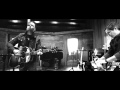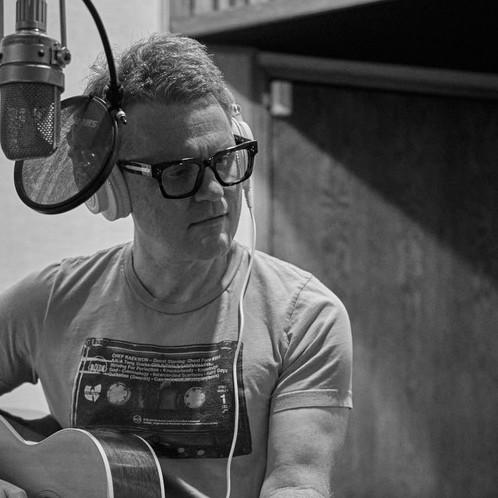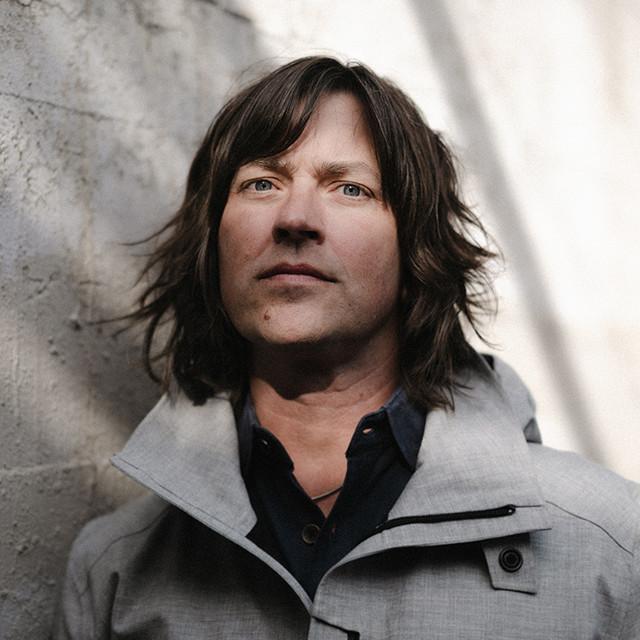
The Damnwells

Rock
Indie Rock
Americana/Alt Country
 Viberate Rank: 257150
 Viberate Rank: 257150
 Monthly ListenersFollowers
 Subscribers
 Followers
 Followers
 FansTop Spotify Songs
| Track | 7-Day Streams | |
|---|---|---|
1 | 622 | |
2 | 548 | |
3 | 202 | |
4 | 165 | |
5 | 134 |
Top YouTube VideosMonthly ListenersFeatured in Playlists| Playlist | Followers | |
|---|---|---|
1 |  90s Soft Rock Backline Creative | 45.80K |
2 | Indie & Folk Erica Anne Benoit | 20.86K |
3 |  It Ends With Us - Blake's BTS Playlist It Ends With Us Movie | 16.41K |
4 | Pump Up Songs Liam Lynch | 9.41K |
5 |  SkimmHQ theSkimm | 8.03K |
Audience| City | Monthly Listeners | |
|---|---|---|
1 | | 111 |
2 | | 97 |
3 | | 84 |
4 | | 68 |
5 | | 67 |
See full performance history, audience data, playlist activity, rankings, comparisons, and more in Viberate music analytics. Start with a free trial, then continue with a paid plan.
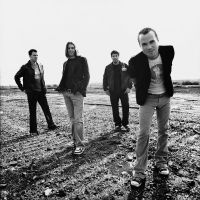
The Damnwells’ Spotify BioFormed in 2000 as a full-fledged band, the Damnwells gradually came to represent the songwriting efforts of songwriter Alex Dezen, whose melodic mix of alt-country and alternative pop/rock remained consistent in spite of multiple lineup shifts. The group took root in Brooklyn, where Dezen (a former photo assistant) was joined by ex-Whiskeytown drummer Steven Terry, bassist Ted Hudson, and guitarist Dave Chernis. A series of EPs helped cement the band's sound, and the Damnwells soon found themselves touring in support of Cheap Trick. A brief run with the Portland-based label In Music We Trust followed, allowing the band to reissue one of its early EPs (with the addition of one new track) under the revised title PMR + 1. The Damnwells then decamped to their Manhattan Mini Storage space, which doubled as a rehearsal space and makeshift studio, to fashion a full-length album. Pairing Dezen's slow, codeine-laced ballads with uptempo rock numbers, they completed Bastards of the Beat before… inking a contract with Epic Records.
In a rare display of confidence, Epic released Bastards of the Beat in 2003 without any major revisions, allowing both the band's artwork and track list to remain intact. When the Damnwells returned to the studio two years later, however, they found themselves dropped from Epic's roster, an incident that was captured on the documentary film Golden Days. After months of uncertainty, the band found a new home at Zoë/Rounder Records and issued Air Stereo in late 2006. The record widened the Damnwells' sound with lap steel, piano, and sublime harmonies, and a tour alongside the Fray furnished the band with a larger audience. Sales for Air Stereo were slow, though, leading several members to leave the band's lineup.
In 2008, Alex Dezen announced that the Damnwells' original roster had disbanded for good. He subsequently enrolled as an M.F.A. candidate at the University of Iowa, where he participated in the acclaimed Iowa Writers' Workshop. Meanwhile, he continued recording music with a revised version of the Damnwells, who now included drummer Andrew Ratcliffe, bassist Adrian Dickey, and producer/guitarist Freddy Wall. When it came time to release One Last Century, the band's third album, Dezen chose to bypass record labels altogether by partnering with Paste magazine, which offered the album as a free digital download.
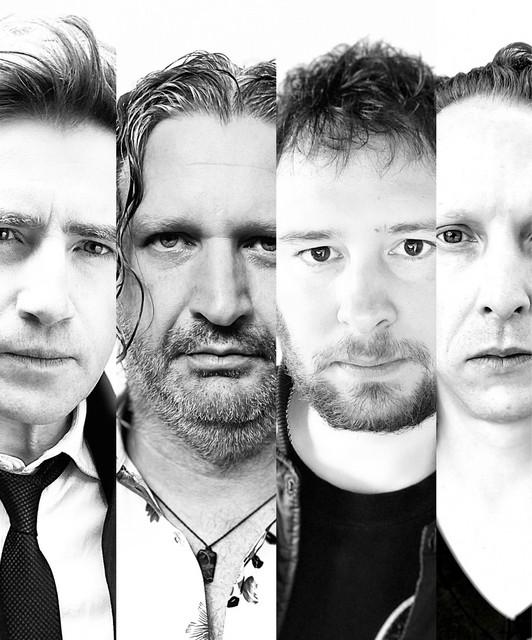
Dezen wrapped up his studies at the Iowa Writers' Workshop in 2010. That same year, the Damnwells -- now featuring Dezen, original bassist Ted Hudson, and a rotating cast of musicians -- announced a pledge drive to cover the recording costs of their new album. Using Pledgemusic.com, the group raised nearly $35,000, most of which was funneled into the band's fourth studio record, featuring some of Dezen's strongest songwriting to date. No One Listens to the Band Anymore was released in March 2011. In late 2013, the Damnwells returned to Pledgemusic.com to fund their fifth album, this time with the announcement that the original lineup of Alex Dezen, David Chernis, Ted Hudson, and Steven Terry would reunite for the sessions. The album, simply titled The Damnwells, was released in 2015. ~ Andrew Leahey, Rovi
Viberate is a music analytics platform built for A&Rs, artist managers, labels, booking agents, marketers, and artists.
It helps music professionals track artist growth, analyze audience data, monitor playlist activity, compare artists, follow song performance, and identify opportunities across the music market.
Public artist pages provide a free preview of selected artist data. Paid plans provide access to deeper analytics, historical data, charts, comparisons, playlist tools, exports, alerts, reports, and additional professional features.
Yes. Public Viberate artist pages provide selected artist analytics and music data for free.
Viberate also offers a 7-day free trial of the full platform. A credit card is required to start the trial. The trial includes access to the complete product so users can test deeper artist analytics, historical views, playlist insights, comparisons, charts, exports, alerts, and reporting features before choosing a paid plan.
Viberate provides artist analytics across streaming, playlists, social media, video, radio airplay, songs, and audience markets.
Users can analyze Spotify performance, Spotify and Apple Music playlists, YouTube activity, TikTok and Instagram growth, radio spins, song performance, audience locations, demographics, rankings, and overall artist momentum.
Artist profiles also connect to music charts, similar artists, and comparison tools, helping users benchmark performance and evaluate artists in context.
Viberate updates key artist and track data daily.
For followed artists and tracks, selected data is refreshed multiple times per day. This helps teams monitor playlist changes, streaming movement, audience growth, releases, and campaign performance with more current data.
Update frequency can vary depending on the metric and data source.
Yes. Viberate lets users compare up to five artists side by side across streaming, social media, audience, and engagement metrics.
Users can compare fanbase growth, audience demographics, locations, Spotify performance, social metrics, and other artist data over selected time periods.
Artist comparison can be used for A&R scouting, benchmarking, booking decisions, campaign planning, and evaluating artists with similar audiences or market positions.