The Cues

R&B
Contemporary R&B
Jazz Fusion
 Viberate Rank: 324373
 Viberate Rank: 324373
 Monthly ListenersFollowers
 Subscribers
 Followers
 Followers
 FansTop Spotify Songs
| Track | 7-Day Streams | |
|---|---|---|
1 | 3.00K | |
2 | 1.02K | |
3 | 857 | |
4 | 120 | |
5 | 120 |
Top YouTube VideosMonthly ListenersFeatured in Playlists| Playlist | Followers | |
|---|---|---|
1 | Boogie Woogie ! Sondre Olsen-Bye | 33.90K |
2 | Oldies But Goldies🎶🙌 Andreas (DJ Riga-cee) Rigazzi | 22.08K |
3 |  El Sótano de Radio 3 Groovyfamily | 9.84K |
4 |  BOOGIE WOOGIE ❤️ Patricio | 6.41K |
5 |  Written By Missy Elliott Spotify | 5.34K |
Audience| City | Monthly Listeners | |
|---|---|---|
1 |  | 115 |
2 |  | 111 |
3 |  | 93 |
4 |  | 67 |
5 | | 59 |
See full performance history, audience data, playlist activity, rankings, comparisons, and more in Viberate music analytics. Start with a free trial, then continue with a paid plan.
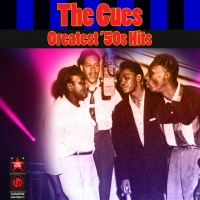
The Cues’ Spotify BioThe Cues were Atlantic Records' first (and most prominent) studio vocal group during rock & roll's infancy (circa 1954), but their real claim to fame was their backing support for R&B artists on the Atlantic roster. The Cues may have been the identifiable name by which they would later try and make their mark as a recording group, but during the formidable '50s they went by many different identities: Ruth Brown's "Rhythmakers," LaVern Baker's "Gliders," Big Joe Turner's "Blues Kings," Ivory Joe Hunter's "Ivory Tones," and Carmen Taylor's "Boleros."
The acknowledged mastermind behind this plan was Atlantic's house arranger and songwriting sessionman Jessie Stone, who would also work with the Drifters, the Clovers, Big Joe Hunter, and other Atlantic artists. Stone brought together two members of the recently disbanded group the Blenders -- Abel DeCosta and lead singer Ollie Jones (originally a member of the Ravens) -- and two other vocalists, Eddie Barnes and Robie Kirk (aka Winfield… Scott on his songwriting credits).
In late 1954, Stone brought the Cues to the Messner Brothers' Aladdin Records and recorded for their Lamp subsidiary. Around this same time, they also recorded for RCA as the Four Students, releasing "So Near and Yet So Far" on the Groove label in mid-1955, and even turned up on Jubilee Records with a cover of the Platters' "Only You," all of which sunk without a trace.
While they had little success under their own name, the Cues continued to prosper behind the scenes, backing up LaVern Baker for "Tweedle Dee," Roy Hamilton on "Don't Let Go" (the first rock & roll hit to be recorded in stereo), and Nat "King" Cole for his many recordings on Capitol during the '50s (along with a group called the Four Knights). By late 1955, the Cues had added Jimmy Breedlove and moved from Atlantic to Capitol, where they recorded 12 songs aimed at the pop market. The first release was "Burn That Candle," which immediately took off, but unfortunately, Bill Haley & His Comets promptly recorded the song for Decca. It became a national hit, knocking the Cues version off the charts.
The group later joined Buck Ram's traveling "Happy Music" national tour and recorded four more singles for Capitol, but failed to find any success. By mid-1957, Breedlove had departed from the group. The Cues' next record, "Crazy Crazy Party," appeared on the Capitol subsidiary Prep. Alan Freed gave the song considerable airplay, which generated a little success on the sales charts, but it was a case of too little, too late. In 1960, they recorded one last song for Festival, a cover of the standard "Old Man River." Discographers have often claimed that the record was actually a re-working of the song by a reconstituted version of the Ravens (featuring Jimmy Ricks), while others claim that the Cues were doing a Ravens-style treatment of the tune. The group disbanded in the early '60s. ~ Bryan Thomas, Rovi
Viberate is a music analytics platform built for A&Rs, artist managers, labels, booking agents, marketers, and artists.
It helps music professionals track artist growth, analyze audience data, monitor playlist activity, compare artists, follow song performance, and identify opportunities across the music market.
Public artist pages provide a free preview of selected artist data. Paid plans provide access to deeper analytics, historical data, charts, comparisons, playlist tools, exports, alerts, reports, and additional professional features.
Yes. Public Viberate artist pages provide selected artist analytics and music data for free.
Viberate also offers a 7-day free trial of the full platform. A credit card is required to start the trial. The trial includes access to the complete product so users can test deeper artist analytics, historical views, playlist insights, comparisons, charts, exports, alerts, and reporting features before choosing a paid plan.
Viberate provides artist analytics across streaming, playlists, social media, video, radio airplay, songs, and audience markets.
Users can analyze Spotify performance, Spotify and Apple Music playlists, YouTube activity, TikTok and Instagram growth, radio spins, song performance, audience locations, demographics, rankings, and overall artist momentum.
Artist profiles also connect to music charts, similar artists, and comparison tools, helping users benchmark performance and evaluate artists in context.
Viberate updates key artist and track data daily.
For followed artists and tracks, selected data is refreshed multiple times per day. This helps teams monitor playlist changes, streaming movement, audience growth, releases, and campaign performance with more current data.
Update frequency can vary depending on the metric and data source.
Yes. Viberate lets users compare up to five artists side by side across streaming, social media, audience, and engagement metrics.
Users can compare fanbase growth, audience demographics, locations, Spotify performance, social metrics, and other artist data over selected time periods.
Artist comparison can be used for A&R scouting, benchmarking, booking decisions, campaign planning, and evaluating artists with similar audiences or market positions.