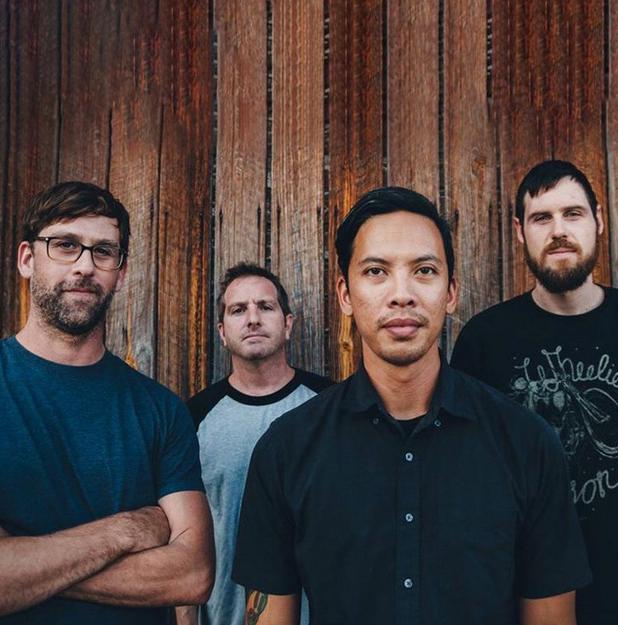
The Crew one voice

Punk
Hardcore Punk
Punk Rock
 Viberate Rank: 386518
 Viberate Rank: 386518
 Monthly ListenersFollowers
 Subscribers
 Followers
 Followers
 FansTop Spotify Songs
| Track | 7-Day Streams | |
|---|---|---|
1 | 299 |
Top YouTube VideosMonthly ListenersFeatured in Playlists| Playlist | Followers | |
|---|---|---|
1 |  PUNK ROCK sebastien.gautier | 8.46K |
2 | Fat Music for Fat People Sergi Calzada Baños | 3.46K |
3 |  Punk rock Collection Tiby Flashback | 2.41K |
4 | KROQ - 106.7 ilander89 | 2.18K |
5 |  Hellcat Records Rancid Ernie | 1.19K |
Audience| City | Monthly Listeners | |
|---|---|---|
1 |  | 15 |
2 |  | 14 |
3 | | 13 |
4 | | 10 |
5 | | 10 |
See full performance history, audience data, playlist activity, rankings, comparisons, and more in Viberate music analytics. Start with a free trial, then continue with a paid plan.
The Crew one voice’s Spotify Bio“Collaborating with Tim Armstrong, Mike Muir, And Matt Freeman has been an awesome experience, obviously Byron Mcmackin and I go way back. Byron and I had a demo of ‘One Voice’ laying around for couple years, and I thought it would be cool to bring a couple old friends on board to breath some new life into it,” explains Fletcher Dragge. “Watching these guys lay down their own personal trademark styles on this song was nothing short of amazing! I think it’s safe to safe we’re all pretty fucking stoked on the final product, and being able to donate proceeds to Musack feels pretty awesome as well. Find it, crank it up, and enjoy!”
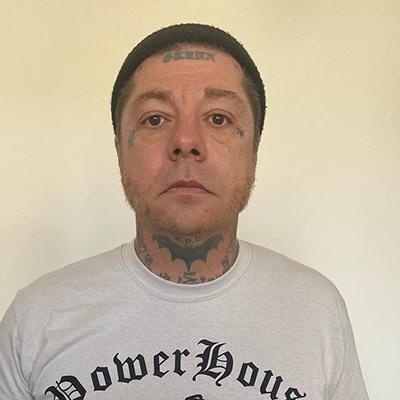
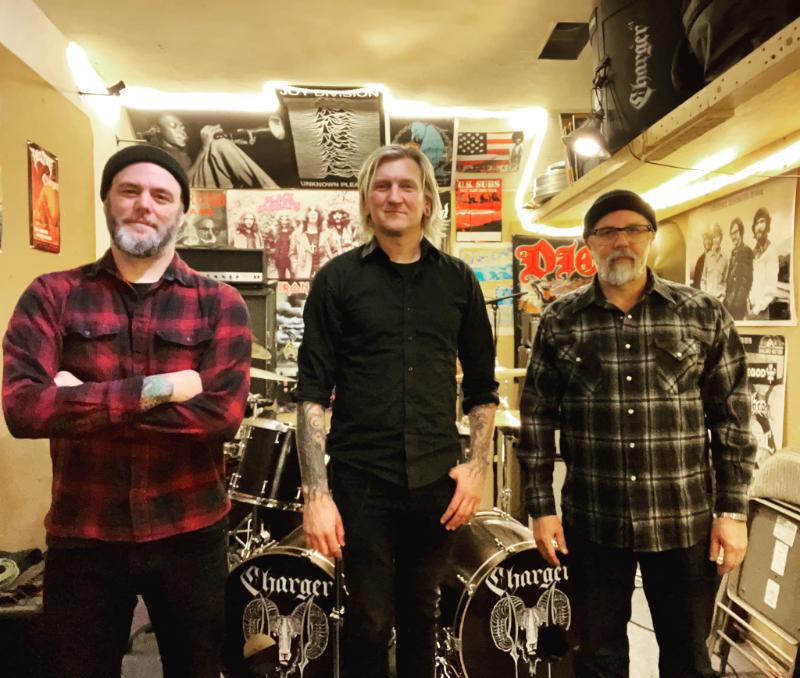
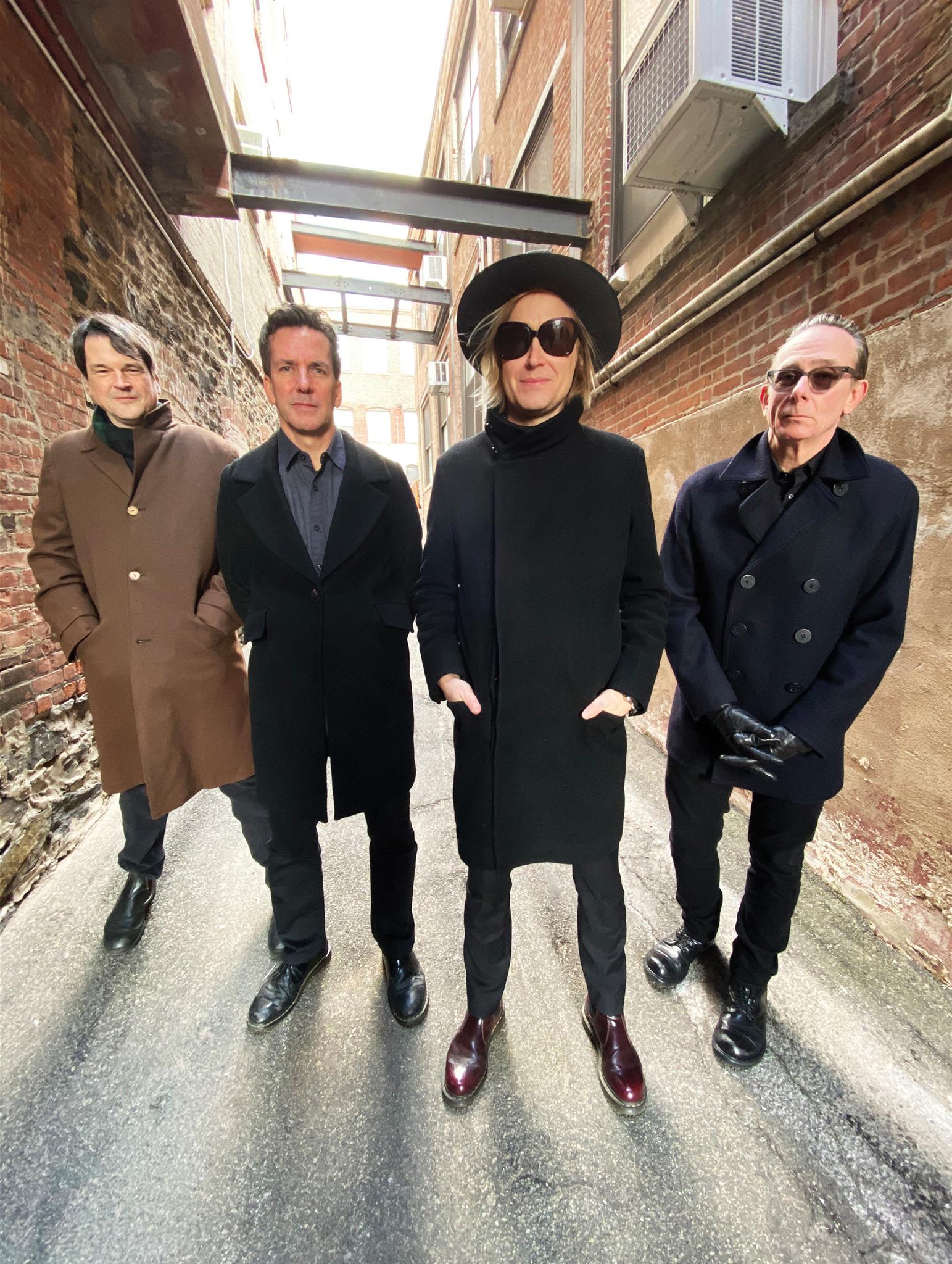
The Crew features legendary punk rockers, Fletcher Dragge & Byron McMackin of Pennywise, Mike Muir of Suicidal Tendencies, and Tim Armstrong & Matt Freeman of Rancid.
The Crew is vocalist and guitarist Fletcher Dragge (Pennywise), vocalist Tim Armstrong (Rancid), bassist Matt Freeman (Rancid), vocalist Mike Muir (Suicidal Tendencies), and drummer Byron McMackin… (Pennywise).
Viberate is a music analytics platform built for A&Rs, artist managers, labels, booking agents, marketers, and artists.
It helps music professionals track artist growth, analyze audience data, monitor playlist activity, compare artists, follow song performance, and identify opportunities across the music market.
Public artist pages provide a free preview of selected artist data. Paid plans provide access to deeper analytics, historical data, charts, comparisons, playlist tools, exports, alerts, reports, and additional professional features.
Yes. Public Viberate artist pages provide selected artist analytics and music data for free.
Viberate also offers a 7-day free trial of the full platform. A credit card is required to start the trial. The trial includes access to the complete product so users can test deeper artist analytics, historical views, playlist insights, comparisons, charts, exports, alerts, and reporting features before choosing a paid plan.
Viberate provides artist analytics across streaming, playlists, social media, video, radio airplay, songs, and audience markets.
Users can analyze Spotify performance, Spotify and Apple Music playlists, YouTube activity, TikTok and Instagram growth, radio spins, song performance, audience locations, demographics, rankings, and overall artist momentum.
Artist profiles also connect to music charts, similar artists, and comparison tools, helping users benchmark performance and evaluate artists in context.
Viberate updates key artist and track data daily.
For followed artists and tracks, selected data is refreshed multiple times per day. This helps teams monitor playlist changes, streaming movement, audience growth, releases, and campaign performance with more current data.
Update frequency can vary depending on the metric and data source.
Yes. Viberate lets users compare up to five artists side by side across streaming, social media, audience, and engagement metrics.
Users can compare fanbase growth, audience demographics, locations, Spotify performance, social metrics, and other artist data over selected time periods.
Artist comparison can be used for A&R scouting, benchmarking, booking decisions, campaign planning, and evaluating artists with similar audiences or market positions.