The Coral

Rock
Indie Rock
Alternative Rock
 Viberate Rank: 29045
 Viberate Rank: 29045
 Monthly ListenersFollowers
 Subscribers
 Followers
 Followers
 FansTop Spotify Songs
| Track | 7-Day Streams | |
|---|---|---|
1 | 161.38K | |
2 | 86.45K | |
3 | 26.98K | |
4 | 9.03K | |
5 | 6.30K |
Top YouTube VideosMonthly ListenersFeatured in Playlists| Playlist | Followers | |
|---|---|---|
1 |  Alternative 00s Spotify | 760.65K |
2 |  The Essential Ska Spotify | 415.27K |
3 |  00s Pop Rock Spotify | 369.66K |
4 |  Indie Klassiker Spotify | 337.96K |
5 |  Roadtrip Songs 2026 - Driving songs 🚎 - Travel Songs ⛰️ Dream Wave Records | 261.29K |
Audience| City | Monthly Listeners | |
|---|---|---|
1 | | 47.50K |
2 | | 31.64K |
3 | | 14.62K |
4 | | 13.63K |
5 |  | 12.01K |
See full performance history, audience data, playlist activity, rankings, comparisons, and more in Viberate music analytics. Start with a free trial, then continue with a paid plan.
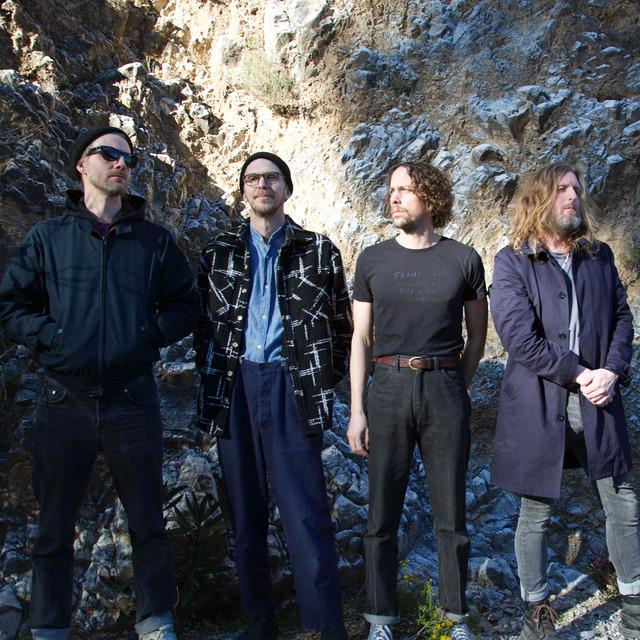
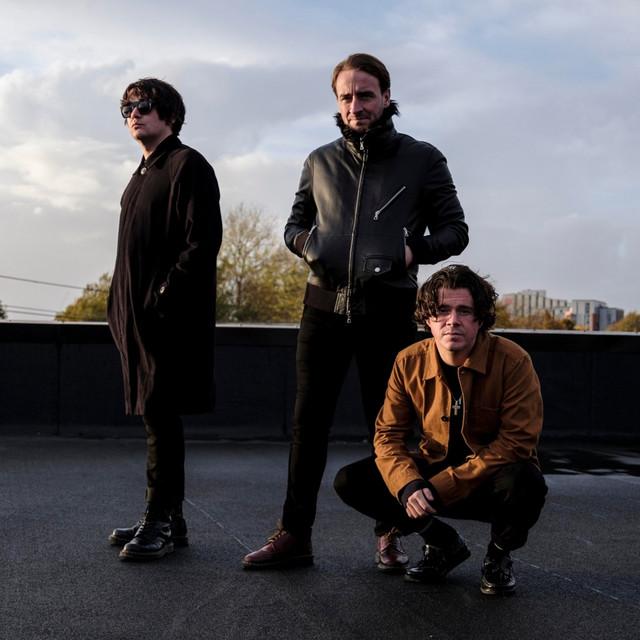
The Coral’s Spotify BioThanks to their knack for crafting sneakily good hooks, the jangling interplay of the guitars, and James Skelly's powerful vocals, the Coral are one of the most consistently enjoyable and unpredictable bands of their era. Their rambunctious sound deftly mixes elements of '60s garage rock, psychedelic pop, and folk-rock, spicing it with bits of Merseybeat, Motown, vintage blues, and even sea shanties. The band's 2002 self-titled debut album topped the U.K. charts, and even as their sound evolved over the years, taking detours to spooky folk on 2004's Nightfreak and the Sons of Becker, stripped-down indie pop on 2005's Portishead-produced The Invisible Invasion, and heavy '70s rock on 2016's Distance Inbetween, they stayed popular and influential. Time did nothing to dim their desire to explore new sonic avenues as 2021's Coral Island, a double-length concept album devoted to memories of English seaside resort towns, and 2023's country-rock with strings Sea of Mirrors proved.
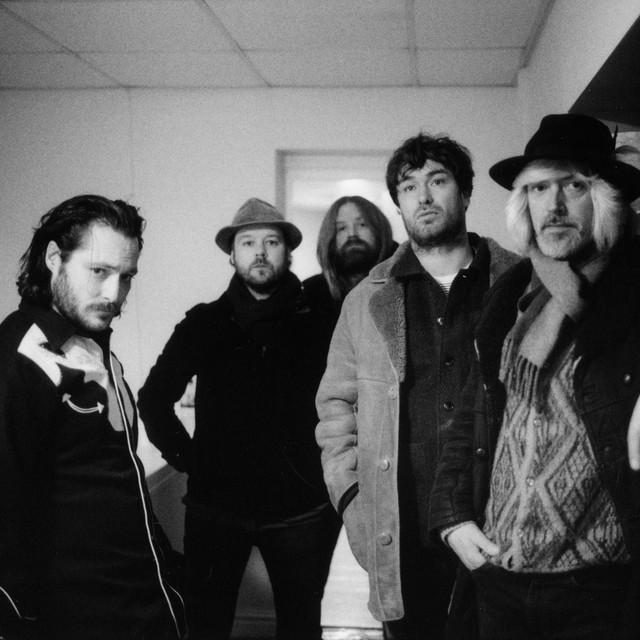
Hailing from… Hoylake, a town on the Wirral Peninsula just across the River Mersey from Liverpool, the band was formed in 1996 by school friends vocalist/guitarist James Skelly, guitarist Bill Ryder-Jones, drummer Ian Skelly, and bassist Paul Duffy, and they were soon joined by another guitarist, Lee Southall. After a couple years of rehearsing and playing shows, they added keyboardist Nick Power to the lineup. Their vintage sound and mysterious songs piqued the interest of former Shack drummer Alan Willis, who launched the Deltasonic label specifically to release the Coral's music, beginning with a 2001 single and a pair of EPs that led up to their breakthrough 2002 self-titled debut LP. The album was an immediate success, reaching number five on the U.K. charts and garnering a Mercury Prize nomination the day after its release.
Though the next year was filled with a hectic touring schedule, the Coral were able to quickly write a batch of songs and headed to the studio with producer Ian Broudie, who had worked with one of the band's touchstones, Echo & the Bunnymen. Released in 2003, Magic and Medicine was a focused album, with more cohesive songs and a streamlined sound. It hit the top of the U.K. album charts, and the band expanded the scope of their touring by heading to the U.S., Europe, and Japan. While in the middle of all that, they repaired to a small shed in North Wales with Broudie to record what turned out to be a stopgap before their next album. The Nightfreak and the Sons of Becker mini-album explored darker territory than the previous LP, and had a lo-fi and experimental sound in comparison.
The Coral's next album took a completely different tack, as the group headed into the studio with Portishead's Geoff Barrow and Adrian Utley. Working together, they stripped the band's sound down to the spooky essentials to create a powerfully sparse setting for the group's most impressive songs yet. After the album's release, Ryder-Jones stepped down as a touring member of the band and was replaced by guitarist David McDonnell for the subsequent tour dates that included some with Arctic Monkeys. The band began work on another record, minus Ryder-Jones' participation, but abandoned the project before it could be completed. Instead, they welcomed Ryder-Jones back and began work on their fourth album with producers Broudie and Craig Silvey. The resulting folk-rock- and sunshine pop-influenced Roots & Echoes was issued in 2007 and reached the Top Ten of the U.K. album charts. Soon after the record came out, Ryder-Jones left the band for good, citing agoraphobia, depression, and nervous anxiety brought on by being in the group as the reasons.
Regrouping as a five-piece, the Coral enlisted legendary producer John Leckie (who had worked with everyone from XTC to Radiohead) to work on their sixth album. Arriving in 2010, Butterfly House was the band's most modern-sounding work to date, with Leckie giving their sunny psych-pop sound a little extra studio gloss. Along with the album proper, the quartet also released an acoustic version, simply titled Butterfly House Acoustic, later in the year. Sessions with Leckie for the band's next album were started at Peter Gabriel's Real World Studio, and they got about halfway through before they decided to go on hiatus. The bandmembers felt like they were running out of gas creatively and wanted to work on other projects.
Ian Skelly's Cut from a Star came out quickly in 2012 and James Skelly's Love Undercover followed the next year on the brothers' own Skeleton Key label. Ian also formed the band Serpent Power with former Zutons member Paul Molloy and released a self-titled album in 2014. That same year, Skeleton Key released the album the Coral had nearly finished in 2006. Recorded on an eight-track tape machine, The Curse of Love had a lo-fi psychedelic folk sound and featured 12 songs that had never before seen the light of day. During the process of getting the release together, Skelly decided he had a batch of Coral songs ready to go, and the band, minus Southall, reconvened to start making music again.
Inspired by the memory of their mentor Willis, who died in a cycling accident in 2014, and the sounds of Can and Hawkwind, the foursome quickly got some songs together. They were joined in the studio by producer Rich Turvey and guitarist Molloy, who added his Stooges-influenced guitar parts, and then stuck around to join the band officially. Distance Inbetween, which was heavier and more '70s-influenced than anything they had previously done, was their first album not to be released by Deltasonic. It came out in 2016 on Ignition Records instead. After a couple years spent playing shows, running Skeleton Key and Parr Street Studios in Liverpool, and, in James Skelly's case, producing the highly regarded indie group Blossoms, the band found time to record their ninth album, 2018's Move Through the Dawn. Working again with Turvey, the Coral took a step back from the heavy sound of the previous record in favor of something much poppier, inspired by Jeff Lynne's production and the rambling spirit of the Traveling Wilburys.
After spending much of 2019 in the studio, working on a wide range of material, and at one point almost scrapping the project before turning it into a double album, the band were ready to release their tenth album when the global pandemic sent them into lockdown with the rest of the world. They spent time tweaking the finished tracks, and released an album of songs recorded during lockdown. A collection of Coral classics and covers done acoustically by James Skelly, The Lockdown Sessions was issued in May 2020. Almost a full year later, Coral Island was released. Drawing from all the musical threads of their long career, the record was inspired by classic concept albums like Odgens Nut Gone Flake and Village Green Preservation Society; the first half plays like an imagined soundtrack to busy fairgrounds, while the latter, more somber section focuses on the out-of-season lives of its characters.
The band planned to take some time off before recording again, but they were given the opportunity to be the last group to record at Parr Street Studios, as they were soon to shutter. James Skelly came up with a batch of songs and the band wrote others while in the studio. Once finished with tracking, they realized they had come up with two albums: one a collection of country-tinged tracks about gamblers, thieves, and killers that felt like a postscript to Coral Island, others that fit together loosely as a soundtrack to an unfilmed and faded spaghetti Western. The former songs were bound together under the title Holy Joe's Coral Island Medicine Show, with the songs linked by spoken word segments done by Skelly's grandfather in the style of a radio DJ. The band brought in Sean O'Hagan (High Llamas) to help finish the other set, adding strings and choral vocals to songs that already had a sepia-toned, Lee Hazlewood-in-Europe feel. Released under the title Sea of Mirrors, the record also featured novelistic liner notes by Nick Power and an appearance by actor Cillian Murphy. ~ Tim Sendra & Timothy Monger, Rovi
Viberate is a music analytics platform built for A&Rs, artist managers, labels, booking agents, marketers, and artists.
It helps music professionals track artist growth, analyze audience data, monitor playlist activity, compare artists, follow song performance, and identify opportunities across the music market.
Public artist pages provide a free preview of selected artist data. Paid plans provide access to deeper analytics, historical data, charts, comparisons, playlist tools, exports, alerts, reports, and additional professional features.
Yes. Public Viberate artist pages provide selected artist analytics and music data for free.
Viberate also offers a 7-day free trial of the full platform. A credit card is required to start the trial. The trial includes access to the complete product so users can test deeper artist analytics, historical views, playlist insights, comparisons, charts, exports, alerts, and reporting features before choosing a paid plan.
Viberate provides artist analytics across streaming, playlists, social media, video, radio airplay, songs, and audience markets.
Users can analyze Spotify performance, Spotify and Apple Music playlists, YouTube activity, TikTok and Instagram growth, radio spins, song performance, audience locations, demographics, rankings, and overall artist momentum.
Artist profiles also connect to music charts, similar artists, and comparison tools, helping users benchmark performance and evaluate artists in context.
Viberate updates key artist and track data daily.
For followed artists and tracks, selected data is refreshed multiple times per day. This helps teams monitor playlist changes, streaming movement, audience growth, releases, and campaign performance with more current data.
Update frequency can vary depending on the metric and data source.
Yes. Viberate lets users compare up to five artists side by side across streaming, social media, audience, and engagement metrics.
Users can compare fanbase growth, audience demographics, locations, Spotify performance, social metrics, and other artist data over selected time periods.
Artist comparison can be used for A&R scouting, benchmarking, booking decisions, campaign planning, and evaluating artists with similar audiences or market positions.