The Contortionist

Metal
Progressive Metal
 Viberate Rank: 43763
 Viberate Rank: 43763
 Monthly ListenersFollowers
 Subscribers
 Followers
 Followers
 FansTop Spotify Songs
| Track | 7-Day Streams | |
|---|---|---|
1 | 30.91K | |
2 | 13.80K | |
3 | 9.71K | |
4 | 9.58K | |
5 | 9.45K |
Top YouTube VideosMonthly ListenersFeatured in Playlists| Playlist | Followers | |
|---|---|---|
1 | BEST GUITAR SOLOS OF ALL TIME t.riccardo | 95.19K |
2 | sad metal songs. Sebastian Finta | 78.46K |
3 | Death Metal Dylan Bellusci | 67.91K |
4 | METALCORE Rei | 66.29K |
5 |  Metal & Punk Covers Collection Johns3n | 61.93K |
Audience| City | Monthly Listeners | |
|---|---|---|
1 | | 1.94K |
2 |  | 1.77K |
3 |  | 1.75K |
4 | | 1.65K |
5 | | 1.63K |
See full performance history, audience data, playlist activity, rankings, comparisons, and more in Viberate music analytics. Start with a free trial, then continue with a paid plan.
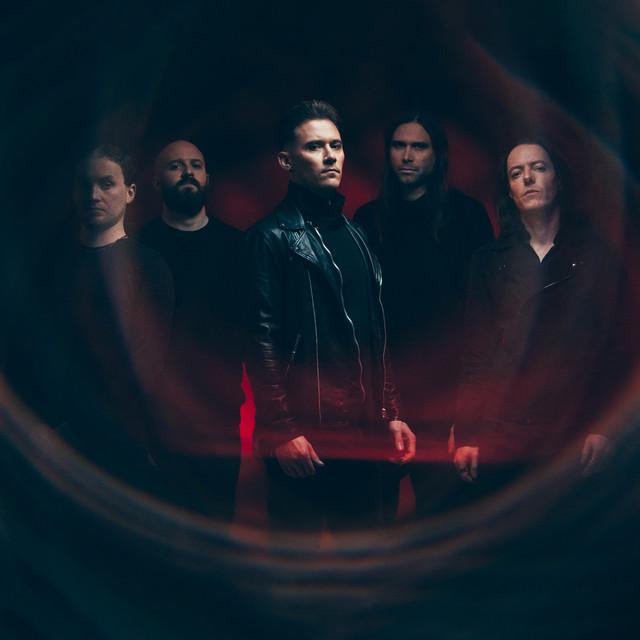
The Contortionist’s Spotify BioThe Contortionist represents fearlessness in musical expression, designed to please artist as much as audience. This band makes progressive metal music, anchored in the heavy
sounds that first drew the individual players to the stage, yet unmoored by convention or
expectation.
On Clairvoyant, the band’s distinctive fingerprints remain, even as their atmospheric
flourishes broaden to encompass ever-richer textures and mine the beauty of simplicity.
The Contortionist integrates seemingly disparate worlds to create their own sound, with a focus on tone, vibe, color, and atmosphere.
The band’s first two records, Exoplanet (2010) and Intrinsic (2012), are monstrously
heavy, though no less ambitious than their newer and more expansive creative declarations.
The character of The Contortionist’s sound expanded greatly with Language, the 2014
monolithic album that introduced the band’s current lineup of vocalist Michael Lessard,
keyboardist Eric Guenther, and bassist Jordan Eberhardt alongside… co-founding members
Cameron Maynard (guitar) and brothers Robby Baca (guitar) and Joey Baca (drums).
Clairvoyant, which reunited the band with producer Jamie King (Between The Buried And
Me), takes the best elements of The Contortionist’s past and reshapes them as the band follows their individual creative muses toward the future.
Viberate is a music analytics platform built for A&Rs, artist managers, labels, booking agents, marketers, and artists.
It helps music professionals track artist growth, analyze audience data, monitor playlist activity, compare artists, follow song performance, and identify opportunities across the music market.
Public artist pages provide a free preview of selected artist data. Paid plans provide access to deeper analytics, historical data, charts, comparisons, playlist tools, exports, alerts, reports, and additional professional features.
Yes. Public Viberate artist pages provide selected artist analytics and music data for free.
Viberate also offers a 7-day free trial of the full platform. A credit card is required to start the trial. The trial includes access to the complete product so users can test deeper artist analytics, historical views, playlist insights, comparisons, charts, exports, alerts, and reporting features before choosing a paid plan.
Viberate provides artist analytics across streaming, playlists, social media, video, radio airplay, songs, and audience markets.
Users can analyze Spotify performance, Spotify and Apple Music playlists, YouTube activity, TikTok and Instagram growth, radio spins, song performance, audience locations, demographics, rankings, and overall artist momentum.
Artist profiles also connect to music charts, similar artists, and comparison tools, helping users benchmark performance and evaluate artists in context.
Viberate updates key artist and track data daily.
For followed artists and tracks, selected data is refreshed multiple times per day. This helps teams monitor playlist changes, streaming movement, audience growth, releases, and campaign performance with more current data.
Update frequency can vary depending on the metric and data source.
Yes. Viberate lets users compare up to five artists side by side across streaming, social media, audience, and engagement metrics.
Users can compare fanbase growth, audience demographics, locations, Spotify performance, social metrics, and other artist data over selected time periods.
Artist comparison can be used for A&R scouting, benchmarking, booking decisions, campaign planning, and evaluating artists with similar audiences or market positions.