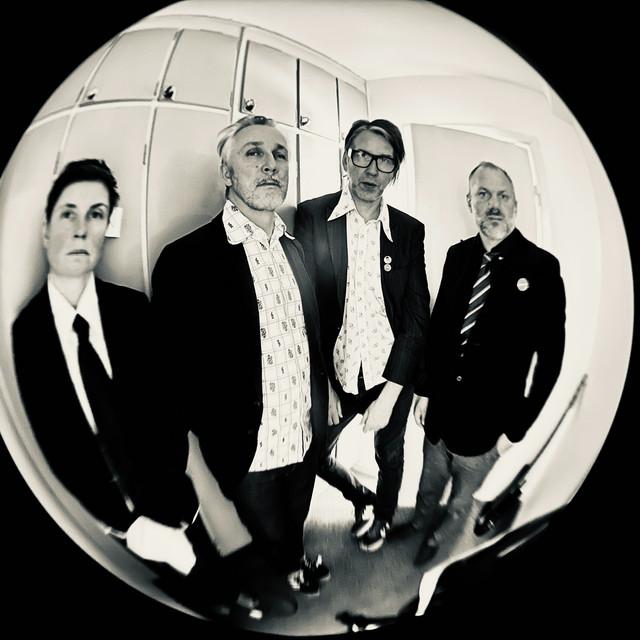
The Confusions

Pop
Indie Pop
Power Pop
Alternative Rock
 Viberate Rank: 392121
 Viberate Rank: 392121
 Monthly ListenersFollowers
 Subscribers
 Followers
 Followers
 FansTop Spotify Songs
| Track | 7-Day Streams | |
|---|---|---|
1 | 436 | |
2 | 276 | |
3 | 161 | |
4 | 100 | |
5 | 99 |
Top YouTube Videos| Video | 7-Day Views | |
|---|---|---|
1 | 171 | |
2 | 33 | |
3 | 27 | |
4 | 18 | |
5 | 8 |
Monthly ListenersFeatured in Playlists| Playlist | Followers | |
|---|---|---|
1 |  Late Night Indie Drive – Chill Indie Rock, Psych Pop & Alt Gems Andy Korg | 38.27K |
2 |  Sunrise Indie Weitblick Records | 34.78K |
3 |  Indie Pop Rocks Spotify Pleasures | 28.96K |
4 |  Rhythm of the Indie ⚡️ MaryCheery | 18.82K |
5 | OTH Playlist Emilee Brandt | 16.94K |
Audience| City | Monthly Listeners | |
|---|---|---|
1 | | 131 |
2 | | 117 |
3 |  | 73 |
4 | | 72 |
5 |  | 56 |
See full performance history, audience data, playlist activity, rankings, comparisons, and more in Viberate music analytics. Start with a free trial, then continue with a paid plan.
The Confusions’ Spotify Bio"The band blends musical influences from the 70’s and 90’s to create their trademark sound where pulsating synths blends with indie charm."
"It’s like stepping into the neon-lit streets of an 80s cyberpunk metropolis, with X-Files vibes swirling in the air. " / Last Day Def
The Confusions formed in 1991 by a gang of childhood friends in the suburb of Skönsberg in Sundsvall, Sweden, an industrial town in the north, better known for its punk, postpunk and metal scene. But being an outsider can be sometimes be to your advantage.
Second album “Everyone’s Invited” - produced by Peter Svensson from The Cardigans, smashed all the doors open to numerous releases and tours all over the world. It was crowned with the title of “one of this year’s five top album” by Record Collector.
Some years later a gig at SXSW would open the door for some touring of US and finally also a Nordic MTV no 1 for the video to The Pilot. The band survived all the ups and downs of an indie band, still constantly touring,… developing and releasing records. Building a bond between the members that is really special.
After a challenging period, the band built a studio and 2008 recorded the more than one hour long self-produced album “The Story Behind the Story”, by many regarded as their finest work.
Viberate is a music analytics platform built for A&Rs, artist managers, labels, booking agents, marketers, and artists.
It helps music professionals track artist growth, analyze audience data, monitor playlist activity, compare artists, follow song performance, and identify opportunities across the music market.
Public artist pages provide a free preview of selected artist data. Paid plans provide access to deeper analytics, historical data, charts, comparisons, playlist tools, exports, alerts, reports, and additional professional features.
Yes. Public Viberate artist pages provide selected artist analytics and music data for free.
Viberate also offers a 7-day free trial of the full platform. A credit card is required to start the trial. The trial includes access to the complete product so users can test deeper artist analytics, historical views, playlist insights, comparisons, charts, exports, alerts, and reporting features before choosing a paid plan.
Viberate provides artist analytics across streaming, playlists, social media, video, radio airplay, songs, and audience markets.
Users can analyze Spotify performance, Spotify and Apple Music playlists, YouTube activity, TikTok and Instagram growth, radio spins, song performance, audience locations, demographics, rankings, and overall artist momentum.
Artist profiles also connect to music charts, similar artists, and comparison tools, helping users benchmark performance and evaluate artists in context.
Viberate updates key artist and track data daily.
For followed artists and tracks, selected data is refreshed multiple times per day. This helps teams monitor playlist changes, streaming movement, audience growth, releases, and campaign performance with more current data.
Update frequency can vary depending on the metric and data source.
Yes. Viberate lets users compare up to five artists side by side across streaming, social media, audience, and engagement metrics.
Users can compare fanbase growth, audience demographics, locations, Spotify performance, social metrics, and other artist data over selected time periods.
Artist comparison can be used for A&R scouting, benchmarking, booking decisions, campaign planning, and evaluating artists with similar audiences or market positions.