THE COAST

Rock
Indie Rock
 Viberate Rank: 508558
 Viberate Rank: 508558
 Monthly ListenersFollowers
 Subscribers
 Followers
 Followers
 FansTop Spotify Songs
| Track | 7-Day Streams | |
|---|---|---|
1 | 94 | |
2 | 27 | |
3 | 20 | |
4 | 15 | |
5 | 13 |
Top YouTube VideosMonthly ListenersFeatured in Playlists| Playlist | Followers | |
|---|---|---|
1 |  Heartland Soundtrack dano5825 | 26.13K |
2 |  Heartland Soundtrack markangus2b | 3.68K |
3 |  Heartland Soundtrack (Season 9, 8, 7, 6, 5, 4, 3, 2, 1) SoundtracksPremier | 3.38K |
4 |  BIRP! 2009 - 2019 BIRP! | 2.20K |
5 |  Songs from the Heartland TV Show Christine Fruin | 1.21K |
Audience| City | Monthly Listeners | |
|---|---|---|
1 |  | 66 |
2 | | 13 |
3 |  | 7 |
4 |  | 6 |
5 | | 6 |
See full performance history, audience data, playlist activity, rankings, comparisons, and more in Viberate music analytics. Start with a free trial, then continue with a paid plan.
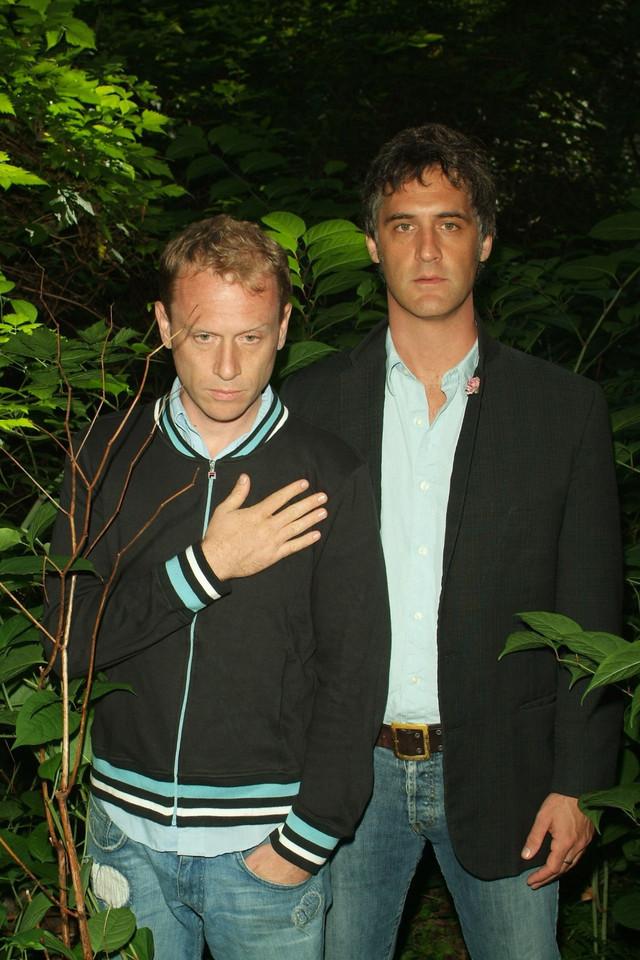
THE COAST’s Spotify BioBrothers Jordan Melchiorre (drums) and Luke Melchiorre (bass), along with Ian Fosbery (guitar/keyboards) and Benjamin Spurr (vocals/guitar), create the hypnotic melodies of the Coast. For a brief time, the band was known as the July 26th Movement and issued the Take a Walk Outside EP in 2004; however, the Toronto-based indie rock outfit opted to change some things around to form the Coast in 2005, borrowing the name from a song on Paul Simon's The Rhythm of the Saints album. They went on to wow club audiences in and around the suburbs of Toronto in just a few months, while blending their own dynamic pop songs on top of influences such as the Verve, U2, New Order, and the Smiths. Shared shows with the likes of Elbow, the French Kicks, Tokyo Police Club, Islands, and the Duke Spirit preceded the release of their self-titled debut EP in November 2006. Plans for a full-length album were slated for mid-2007. ~ MacKenzie Wilson, Rovi
Viberate is a music analytics platform built for A&Rs, artist managers, labels, booking agents, marketers, and artists.
It helps music professionals track artist growth, analyze audience data, monitor playlist activity, compare artists, follow song performance, and identify opportunities across the music market.
Public artist pages provide a free preview of selected artist data. Paid plans provide access to deeper analytics, historical data, charts, comparisons, playlist tools, exports, alerts, reports, and additional professional features.
Yes. Public Viberate artist pages provide selected artist analytics and music data for free.
Viberate also offers a 7-day free trial of the full platform. A credit card is required to start the trial. The trial includes access to the complete product so users can test deeper artist analytics, historical views, playlist insights, comparisons, charts, exports, alerts, and reporting features before choosing a paid plan.
Viberate provides artist analytics across streaming, playlists, social media, video, radio airplay, songs, and audience markets.
Users can analyze Spotify performance, Spotify and Apple Music playlists, YouTube activity, TikTok and Instagram growth, radio spins, song performance, audience locations, demographics, rankings, and overall artist momentum.
Artist profiles also connect to music charts, similar artists, and comparison tools, helping users benchmark performance and evaluate artists in context.
Viberate updates key artist and track data daily.
For followed artists and tracks, selected data is refreshed multiple times per day. This helps teams monitor playlist changes, streaming movement, audience growth, releases, and campaign performance with more current data.
Update frequency can vary depending on the metric and data source.
Yes. Viberate lets users compare up to five artists side by side across streaming, social media, audience, and engagement metrics.
Users can compare fanbase growth, audience demographics, locations, Spotify performance, social metrics, and other artist data over selected time periods.
Artist comparison can be used for A&R scouting, benchmarking, booking decisions, campaign planning, and evaluating artists with similar audiences or market positions.