The Cliks

Rock
Alternative Rock
Indie Rock
Pop Rock
 Viberate Rank: 236504
 Viberate Rank: 236504
 Monthly ListenersFollowers
 Subscribers
 Followers
 Followers
 FansTop Spotify Songs
| Track | 7-Day Streams | |
|---|---|---|
1 | 323 | |
2 | 260 | |
3 | 239 | |
4 | 203 | |
5 | 191 |
Top YouTube VideosMonthly ListenersFeatured in Playlists| Playlist | Followers | |
|---|---|---|
1 |  the L word Soundtrack (Season 1-6) val_toriello | 19.84K |
2 | The Ultimate Cover Song Playlist Anna OBrien | 19.48K |
3 |  Trans Artists & Musicians: Transgender / Non Binary Pride Ryan Cassata | 7.34K |
4 |  Hoy empieza todo | Radio 3 Hugo Malavida | 2.56K |
5 |  the ultimate nonbinary playlist: Gender of the Day 1270735113 | 2.31K |
Audience| City | Monthly Listeners | |
|---|---|---|
1 | | 63 |
2 |  | 28 |
3 | | 28 |
4 | | 27 |
5 | | 27 |
See full performance history, audience data, playlist activity, rankings, comparisons, and more in Viberate music analytics. Start with a free trial, then continue with a paid plan.
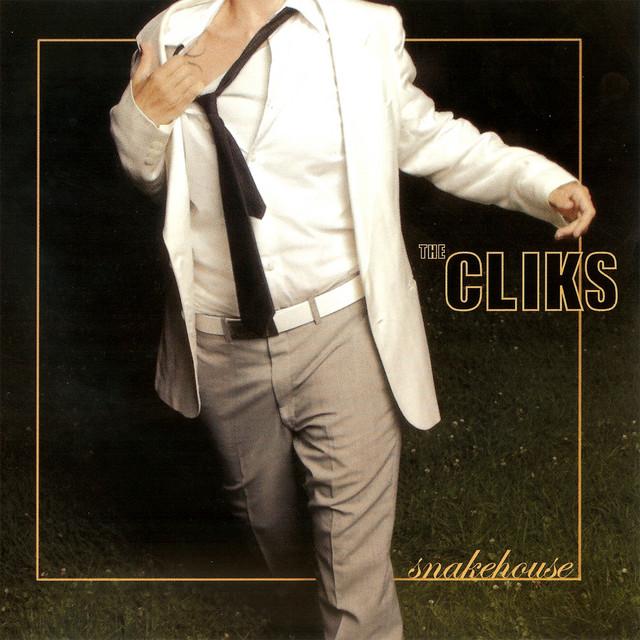
The Cliks’ Spotify BioGutsy, melodic, dramatic, and dark, Toronto's the Cliks arrived on the scene in 2007 with two strong bullet points. First, they covered Justin Timberlake's hit "Cry Me a River" in a White Stripes meets the Pretenders style, and second, leader Lucas Silveira was a transgendered FTM (female-to-male) leading an all-female, androgynous band. Initial word of mouth started in 2006 and had little to do with Silveira's gender-bending. Instead, it was their blistering live shows around Toronto that earned attention and had the Canadian press comparing the band to Joan Jett, Jon Spencer, and Ziggy Stardust-era David Bowie. Jake Gold -- one of Canada's most successful artist managers and a panelist on the talent search Canadian Idol -- began working with the band and after some changes, bassist Jordan B. Wright and drummer Morgan Doctor finalized the lineup. The trio was soon signed to Tommy Boy and recording of the band's debut was underway. In early 2007, the lesbian, gay, bisexual, and… transgender press began to show their support with the Advocate magazine and the Logo television network both featuring the band. By the time their album Snakehouse arrived in April, the Cliks were touring across America and earning an audience well past the LGBT community. ~ David Jeffries, Rovi
Viberate is a music analytics platform built for A&Rs, artist managers, labels, booking agents, marketers, and artists.
It helps music professionals track artist growth, analyze audience data, monitor playlist activity, compare artists, follow song performance, and identify opportunities across the music market.
Public artist pages provide a free preview of selected artist data. Paid plans provide access to deeper analytics, historical data, charts, comparisons, playlist tools, exports, alerts, reports, and additional professional features.
Yes. Public Viberate artist pages provide selected artist analytics and music data for free.
Viberate also offers a 7-day free trial of the full platform. A credit card is required to start the trial. The trial includes access to the complete product so users can test deeper artist analytics, historical views, playlist insights, comparisons, charts, exports, alerts, and reporting features before choosing a paid plan.
Viberate provides artist analytics across streaming, playlists, social media, video, radio airplay, songs, and audience markets.
Users can analyze Spotify performance, Spotify and Apple Music playlists, YouTube activity, TikTok and Instagram growth, radio spins, song performance, audience locations, demographics, rankings, and overall artist momentum.
Artist profiles also connect to music charts, similar artists, and comparison tools, helping users benchmark performance and evaluate artists in context.
Viberate updates key artist and track data daily.
For followed artists and tracks, selected data is refreshed multiple times per day. This helps teams monitor playlist changes, streaming movement, audience growth, releases, and campaign performance with more current data.
Update frequency can vary depending on the metric and data source.
Yes. Viberate lets users compare up to five artists side by side across streaming, social media, audience, and engagement metrics.
Users can compare fanbase growth, audience demographics, locations, Spotify performance, social metrics, and other artist data over selected time periods.
Artist comparison can be used for A&R scouting, benchmarking, booking decisions, campaign planning, and evaluating artists with similar audiences or market positions.