The Clientele

Rock
Indie Rock
Indie Pop
 Viberate Rank: 82941
 Viberate Rank: 82941
 Monthly ListenersFollowers
 Subscribers
 Followers
 Followers
 FansTop Spotify Songs
| Track | 7-Day Streams | |
|---|---|---|
1 | 30.46K | |
2 | 19.30K | |
3 | 9.68K | |
4 | 9.48K | |
5 | 9.27K |
Top YouTube VideosMonthly ListenersFeatured in Playlists| Playlist | Followers | |
|---|---|---|
1 | ghost | 54.13K |
2 |  autumn vibes léane | 35.72K |
3 |  Bon Iver, Iron & Wine, Fleet Foxes & Co. Arvid Lizell | 33.16K |
4 |  shoegaze essentials Heloísa | 33.14K |
5 |  The 500 Best Songs of the 2000s Pitchfork | 29.96K |
Audience| City | Monthly Listeners | |
|---|---|---|
1 |  | 5.59K |
2 | | 4.95K |
3 | | 4.81K |
4 | | 4.35K |
5 | | 3.39K |
See full performance history, audience data, playlist activity, rankings, comparisons, and more in Viberate music analytics. Start with a free trial, then continue with a paid plan.
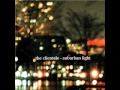
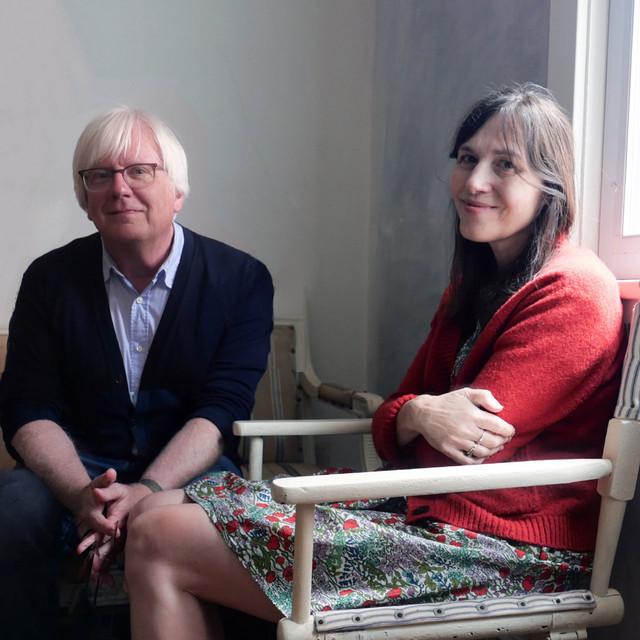
The Clientele’s Spotify BioThe Clientele are a guitar pop band who instantly came up with a sound that was all their own, hazy, autumnal, and hookily sad with yearning vocals, chiming, arpeggiated guitars, and a calmly elastic rhythm section -- and tinkered with it successfully over a long, fruitful career. Early albums like 2000's Suburban Light had obvious roots in the transcendently morose chime of Galaxie 500 and Felt, but the Clientele had enough tenderly lush melodies of their own to escape sounding like a tribute band. As they grew musically, they were able to add elements to their core sound seamlessly -- strings on 2005's Strange Geometry, haunted folk on 2009's Bonfires on the Heath, and world music on 2017's Music for the Age of Miracles. By the time of 2023's I Am Not There Anymore, they had expanded into jazz and avant-garde electronics without any of the melancholy charm and melodic grace they exhibited from the beginning.
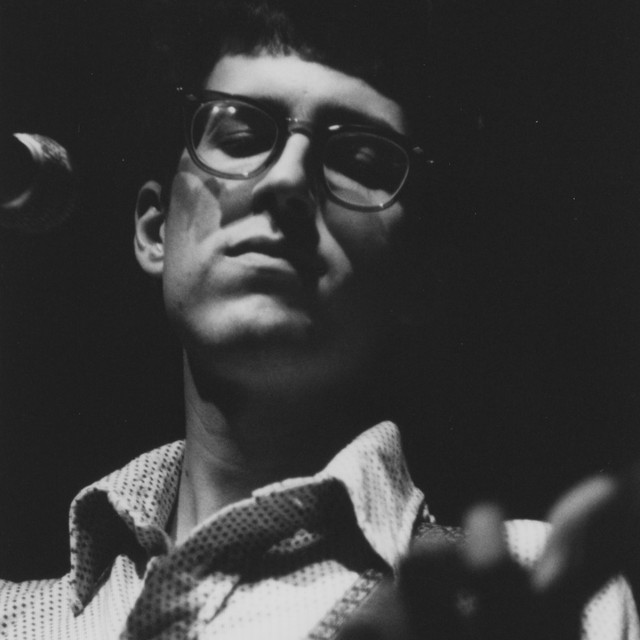
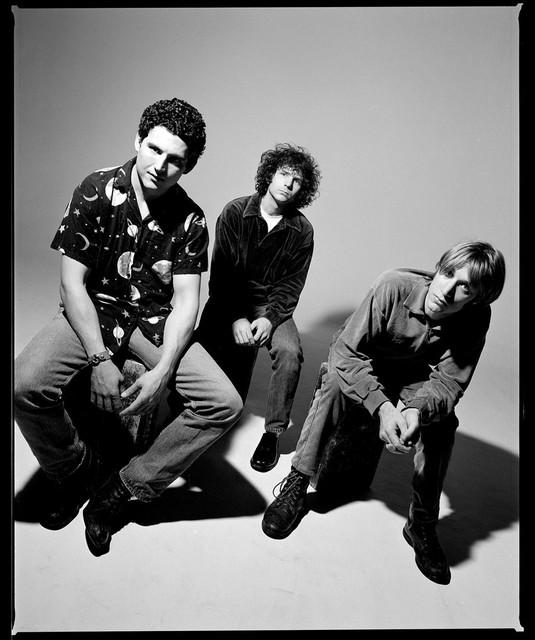
The London-based band formed in mid-1997, consisting of Alasdair MacLean… (guitar and vocals), Innes Phillips (guitar and vocals), James Hornsey (bass), and Howard (drums). Mark Keen replaced the academically occupied Howard toward the end of 1999; Phillips left early on to form the Relict, a group with a varied membership that occasionally included Clientele members. After debuting on the Fierce Panda label's Cry Me a Liver compilation, the Clientele released a slew of singles, compilation contributions, and EPs in short order. Most significantly, March released A Fading Summer in 2000, an EP that harvested some of the band's hard-to-find singles and a couple new recordings. Later that year, the full-length Suburban Light (another compilation of previously recorded material) was issued by Pointy.
The band hooked up with Merge in early 2001, which issued Suburban Light in the U.S. months later. The Lost Weekend EP came out on Acuarela in 2002, which was followed a year later by their first proper album and Merge debut, The Violet Hour. Strange Geometry arrived in 2005, and in 2006 the band added keyboardist/violinist/percussionist Mel Draisey to its ranks. God Save the Clientele, which featured production by Mark Nevers of the band's U.S. labelmates Lambchop, was released in spring 2007. Bonfires on the Heath, another release on Merge, was issued in late 2009. The Minotaur EP, which followed in mid-2010, was made up of songs recorded during the sessions for Bonfires on the Heath.
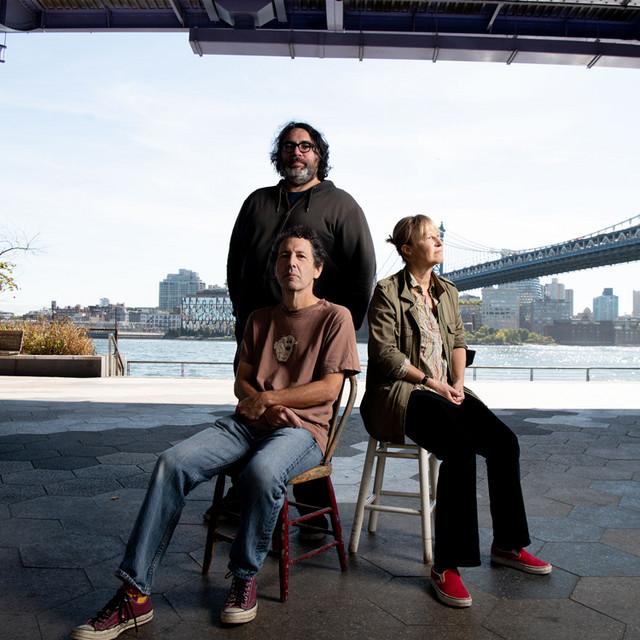
Despite the Clientele's claims of giving up touring after their worldwide jaunt promoting Bonfires, they returned to the U.S. for live gigs after the EP's release. Soon after these dates, however, the group members announced they were going on an indefinite hiatus. MacLean formed a new band called Amor de Dias, and the rest went their separate ways until re-forming (minus Draisey) to play a one-off show in 2013 at the Pop Revo Festival in Denmark. Things remained quiet on the recording front, and the band surprised many fans by scheduling a U.S. tour in early 2014 to coincide with Merge's 25th birthday festivities and the deluxe reissue of Suburban Light. The release of the career retrospective Alone & Unreal: The Best of the Clientele in September of 2015 provided the band another excuse to play a live show, while MacLean set fans' hearts aflutter by sharing the news in an interview that the band had one side of a new album finished. Indeed, MacLean had been working with an old friend, Anthony Harmer, on new songs, with MacLean coming up with words and music and Harmer working out arrangements. Hornsey and Keen soon joined them and the band went to work on their fifth album and first in seven years. 2017's Music for the Age of Miracles featured the core trio plus Harmer on guitars, vocals, keyboards, saz, and santoor (an Iranian string instrument) with a guest appearance by harpist Mary Lattimore. The album was released by Merge and Tapete in September of 2017. The core trio of MacLean, Hornsey, and Keen began work on a new album in 2019, working slowly as they undertook recording on a computer for the first time. It allowed them to tinker more, using samples and loops, and taking their sound in some new directions as they worked out song structures and arrangements before heading into the studio to complete the songs. Along the way, they gathered inspiration from electric Miles Davis albums, added narration by Jessica Griffin of Would-Be-Goods, and generally took a more avant-garde, experimental approach that added some new shades to their typically autumnal sound. Adding to the album's weight are the lyrics, which were inspired by the death of MacLean's mother. I Am Not There Anymore was released by Merge in mid-2023. ~ Andy Kellman & Tim Sendra, Rovi
Viberate is a music analytics platform built for A&Rs, artist managers, labels, booking agents, marketers, and artists.
It helps music professionals track artist growth, analyze audience data, monitor playlist activity, compare artists, follow song performance, and identify opportunities across the music market.
Public artist pages provide a free preview of selected artist data. Paid plans provide access to deeper analytics, historical data, charts, comparisons, playlist tools, exports, alerts, reports, and additional professional features.
Yes. Public Viberate artist pages provide selected artist analytics and music data for free.
Viberate also offers a 7-day free trial of the full platform. A credit card is required to start the trial. The trial includes access to the complete product so users can test deeper artist analytics, historical views, playlist insights, comparisons, charts, exports, alerts, and reporting features before choosing a paid plan.
Viberate provides artist analytics across streaming, playlists, social media, video, radio airplay, songs, and audience markets.
Users can analyze Spotify performance, Spotify and Apple Music playlists, YouTube activity, TikTok and Instagram growth, radio spins, song performance, audience locations, demographics, rankings, and overall artist momentum.
Artist profiles also connect to music charts, similar artists, and comparison tools, helping users benchmark performance and evaluate artists in context.
Viberate updates key artist and track data daily.
For followed artists and tracks, selected data is refreshed multiple times per day. This helps teams monitor playlist changes, streaming movement, audience growth, releases, and campaign performance with more current data.
Update frequency can vary depending on the metric and data source.
Yes. Viberate lets users compare up to five artists side by side across streaming, social media, audience, and engagement metrics.
Users can compare fanbase growth, audience demographics, locations, Spotify performance, social metrics, and other artist data over selected time periods.
Artist comparison can be used for A&R scouting, benchmarking, booking decisions, campaign planning, and evaluating artists with similar audiences or market positions.