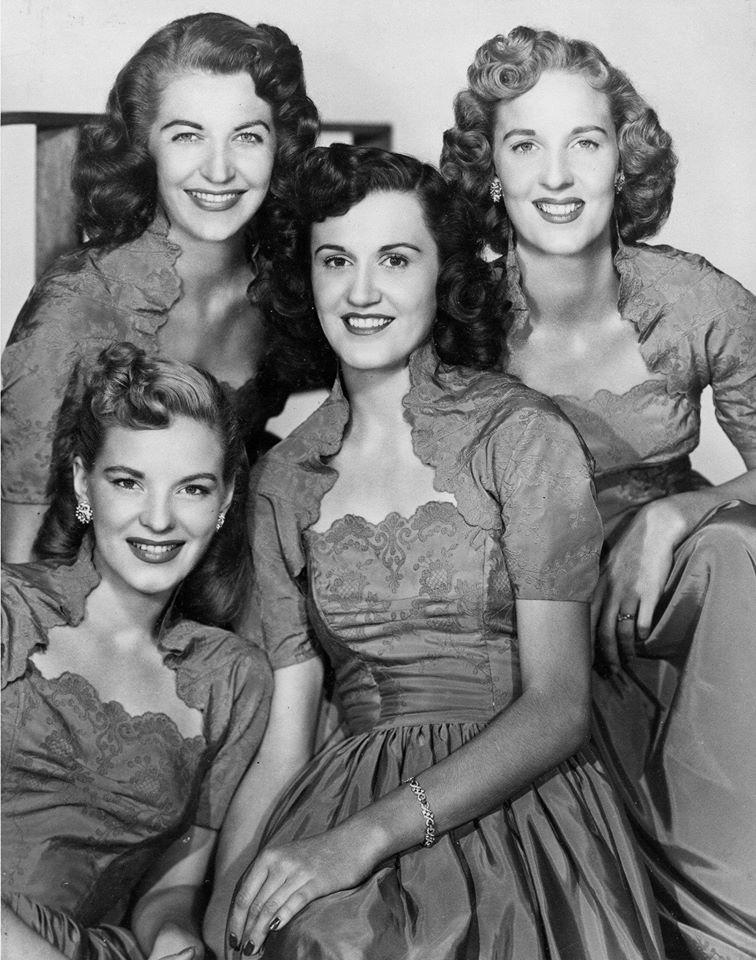
The Chordettes

Pop
Mainstream Pop
Soul
 Viberate Rank: 19871
 Viberate Rank: 19871
 Monthly ListenersFollowers
 Subscribers
 Followers
 Followers
 FansTop Spotify Songs
| Track | 7-Day Streams | |
|---|---|---|
1 | 218.50K | |
2 | 200.97K | |
3 | 199.14K | |
4 | 44.50K | |
5 | 18.27K |
Top YouTube VideosMonthly ListenersFeatured in Playlists| Playlist | Followers | |
|---|---|---|
1 |  Stranger Things Official Playlist Spotify | 3.19M |
2 |  All Out 50s Spotify | 1.89M |
3 |  Stranger Things Soundtrack (Seasons 1 - 5 Complete) Upside Down | 573.67K |
4 |  Euphoria Official Playlist Spotify | 320.67K |
5 |  1960s Hits 💥 Classics Filtr Sweden | 317.57K |
Audience| City | Monthly Listeners | |
|---|---|---|
1 |  | 18.01K |
2 |  | 15.64K |
3 |  | 15.16K |
4 | | 15.12K |
5 | | 14.45K |
See full performance history, audience data, playlist activity, rankings, comparisons, and more in Viberate music analytics. Start with a free trial, then continue with a paid plan.
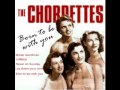
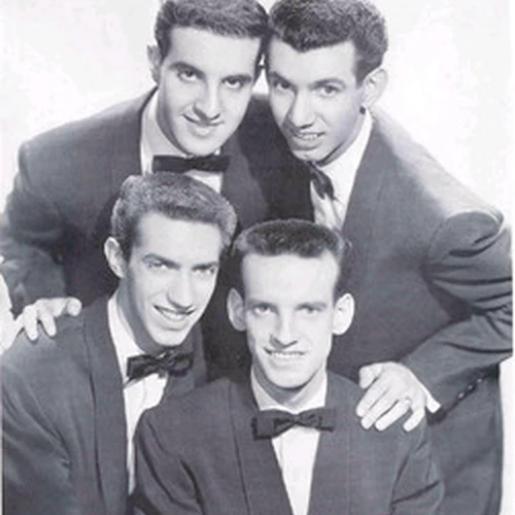
The Chordettes’ Spotify BioThe Chordettes were one of the longest-lived vocal groups with roots in the mainstream pop and vocal harmonies of the 1940s and early '50s. Although the four women's arrangements owed more to the Andrews Sisters than doo wop, they did, unlike many of their peers, prove fairly adaptable to the rock era. First establishing themselves with the huge (and non-rock) pop hit "Mr. Sandman" in 1954, they continued to chart in the last half of the '50s and the early '60s, often with covers of rock and R&B songs. The 1958 number two hit "Lollipop" was the biggest of these. Although the group's sound (at least in retrospect) fell among the Whitest and squarest of rock artists, they introduced enough rock into their repertoire and production to sound more contemporary than they had on songs such as "Mr. Sandman."
Jinny Osborn was exposed to harmony singing via her father, who was president of "The Society for the Preservation and Encouragement of Barbershop Quartet Singing in America Inc." She… formed the quartet with three college friends, and they became regulars on Arthur Godfrey's television show for four years in 1949, singing a cappella in the barbershop style, and recording for Columbia. Godfrey's musical director, Archie Bleyer, married the Chordettes' bass singer, Janet Ertel, around the same time he began his record label, Cadence. On Cadence, the group began to record with musical backing, though the barbershop elements are still well to the fore on "Mr. Sandman." Originally a B-side for Vaughn Monroe, the bouncy, somewhat novelty-oriented tune (complete with a deep-voiced "Yes?" from a voice representing "Mr. Sandman" at one point) made number one for seven weeks.
The Chordettes were among the White pop acts that covered rock and R&B songs in the mid-'50s for the pop market, as early rock & roll began its successful threat to take over the mainstream audience. In so doing, they managed to split sales with the Teen Queens on the early doo wop classic "Eddie My Love," which made the Top 20 in versions by both groups. They also covered a song by Ronald & Ruby, "Lollipop," in their characteristic full-round-like arrangement, complete with popping sounds. This was their best rock, or at least rock-ish, tune, though they had continued to record straight pop songs, too, and had substantial hits with singles like "Born to Be with You" and "Just Between You and Me."
In the late '50s and early '60s, the Chordettes continued to alternate between pop songs and ones with an eye on the rock market, including covers of the Coasters' "Charlie Brown," Paul Anka's "Lonely Boy," and Dodie Stevens' "Pink Shoelaces." They even did some recordings with King Curtis on sax. After "Lollipop" there were a few more hits: "Zorro," "No Other Arms, No Other Lips," and "Never on Sunday." They disbanded shortly after "Never on Sunday" made the Top 20 in 1961, however, when Jinny Osborn left and the group couldn't find a replacement with whom they were happy. ~ Richie Unterberger, Rovi
Viberate is a music analytics platform built for A&Rs, artist managers, labels, booking agents, marketers, and artists.
It helps music professionals track artist growth, analyze audience data, monitor playlist activity, compare artists, follow song performance, and identify opportunities across the music market.
Public artist pages provide a free preview of selected artist data. Paid plans provide access to deeper analytics, historical data, charts, comparisons, playlist tools, exports, alerts, reports, and additional professional features.
Yes. Public Viberate artist pages provide selected artist analytics and music data for free.
Viberate also offers a 7-day free trial of the full platform. A credit card is required to start the trial. The trial includes access to the complete product so users can test deeper artist analytics, historical views, playlist insights, comparisons, charts, exports, alerts, and reporting features before choosing a paid plan.
Viberate provides artist analytics across streaming, playlists, social media, video, radio airplay, songs, and audience markets.
Users can analyze Spotify performance, Spotify and Apple Music playlists, YouTube activity, TikTok and Instagram growth, radio spins, song performance, audience locations, demographics, rankings, and overall artist momentum.
Artist profiles also connect to music charts, similar artists, and comparison tools, helping users benchmark performance and evaluate artists in context.
Viberate updates key artist and track data daily.
For followed artists and tracks, selected data is refreshed multiple times per day. This helps teams monitor playlist changes, streaming movement, audience growth, releases, and campaign performance with more current data.
Update frequency can vary depending on the metric and data source.
Yes. Viberate lets users compare up to five artists side by side across streaming, social media, audience, and engagement metrics.
Users can compare fanbase growth, audience demographics, locations, Spotify performance, social metrics, and other artist data over selected time periods.
Artist comparison can be used for A&R scouting, benchmarking, booking decisions, campaign planning, and evaluating artists with similar audiences or market positions.