The Chordaes

Rock
Folk Rock
 Viberate Rank: 406302
 Viberate Rank: 406302
 Monthly ListenersFollowers
 Subscribers
 Followers
 Followers
 FansTop Spotify Songs
| Track | 7-Day Streams | |
|---|---|---|
1 | 18 | |
2 | 13 | |
3 | 2 | |
4 | 1 | |
5 | 1 |
Top YouTube VideosMonthly ListenersFeatured in PlaylistsAudience| City | Monthly Listeners | |
|---|---|---|
1 | | 5 |
2 | | 3 |
See full performance history, audience data, playlist activity, rankings, comparisons, and more in Viberate music analytics. Start with a free trial, then continue with a paid plan.
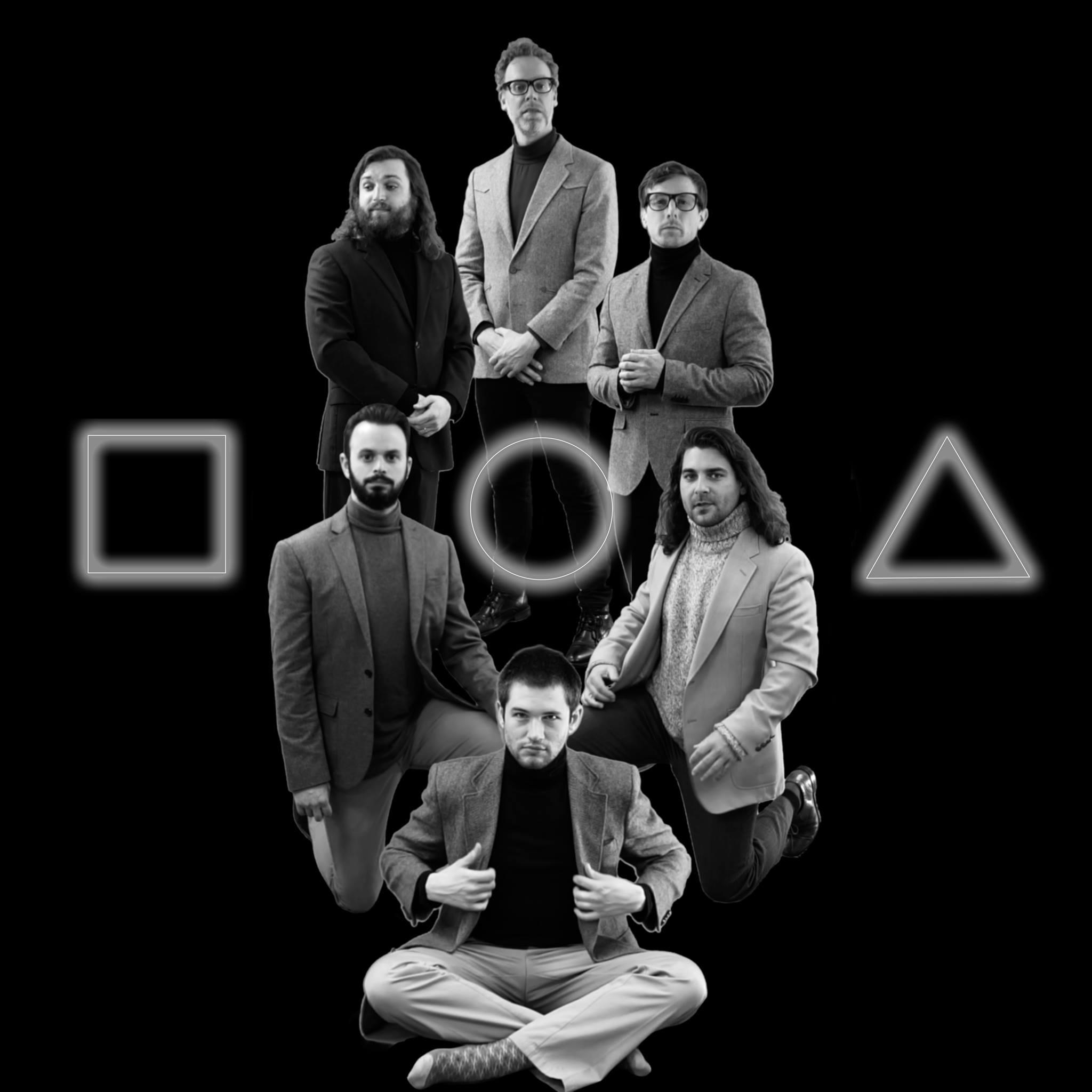
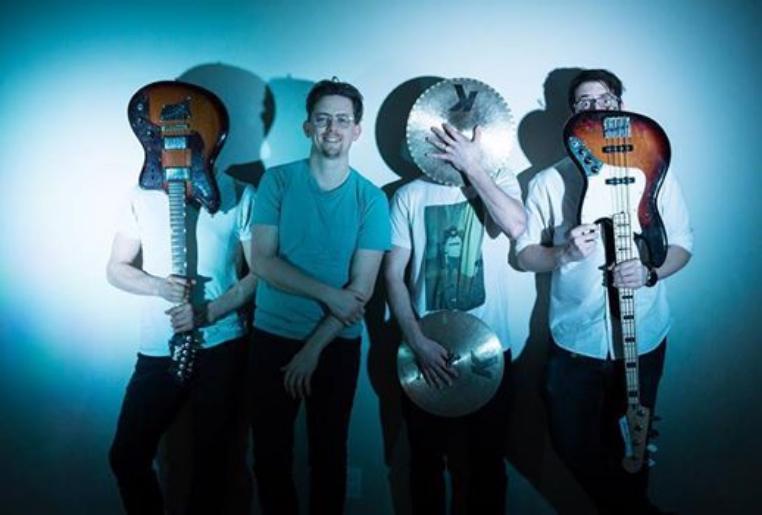
The Chordaes’ Spotify BioThe Chordaes is a New York City based folk rock project led by singer/songwriter/musician Leo Sawikin. A Renaissance man and self-described purist, Leo is a restless seeker of knowledge with a deep love of all things that come from the Earth. These two passions are the driving forces behind his music.
The Chordaes' moniker refers to the chordae tendineae of the heart, otherwise known as your “heartstrings.” “One of the things about this music is that it’s very visceral given the complexity,” says Leo. "For me, the key to great music is having the best of both worlds—the complexity versus the raw emotion and the push and pull between the two. I want to tug at people’s heartstrings—and their brains. That’s my goal.”
“What We Breathe In”, The Chordaes’ latest EP, reflects on the lives of young people searching for connection and trying to find their way in today’s America. Guided by producer Marc Swersky (Joe Cocker, Roger Daltrey), the new EP’s Wrecking Crew- inspired recording process has… produced a timeless sound. The radio single, “Venus,” mixed by Mark Needham (The Killers, The Revivalists), is about being "locked in place by forces greater than we are,” says Leo. “It’s about being in limbo with someone, being powerless to move closer to or farther away from them.”
The Chordaes continue to tour the East Coast, seeking answers to the questions of the thinking mind, while hoping to leave an enduring impression on the heart—or at least to tug a string or two.
Viberate is a music analytics platform built for A&Rs, artist managers, labels, booking agents, marketers, and artists.
It helps music professionals track artist growth, analyze audience data, monitor playlist activity, compare artists, follow song performance, and identify opportunities across the music market.
Public artist pages provide a free preview of selected artist data. Paid plans provide access to deeper analytics, historical data, charts, comparisons, playlist tools, exports, alerts, reports, and additional professional features.
Yes. Public Viberate artist pages provide selected artist analytics and music data for free.
Viberate also offers a 7-day free trial of the full platform. A credit card is required to start the trial. The trial includes access to the complete product so users can test deeper artist analytics, historical views, playlist insights, comparisons, charts, exports, alerts, and reporting features before choosing a paid plan.
Viberate provides artist analytics across streaming, playlists, social media, video, radio airplay, songs, and audience markets.
Users can analyze Spotify performance, Spotify and Apple Music playlists, YouTube activity, TikTok and Instagram growth, radio spins, song performance, audience locations, demographics, rankings, and overall artist momentum.
Artist profiles also connect to music charts, similar artists, and comparison tools, helping users benchmark performance and evaluate artists in context.
Viberate updates key artist and track data daily.
For followed artists and tracks, selected data is refreshed multiple times per day. This helps teams monitor playlist changes, streaming movement, audience growth, releases, and campaign performance with more current data.
Update frequency can vary depending on the metric and data source.
Yes. Viberate lets users compare up to five artists side by side across streaming, social media, audience, and engagement metrics.
Users can compare fanbase growth, audience demographics, locations, Spotify performance, social metrics, and other artist data over selected time periods.
Artist comparison can be used for A&R scouting, benchmarking, booking decisions, campaign planning, and evaluating artists with similar audiences or market positions.