The Bomboras

Rock
Progressive Rock
Indie Rock
 Viberate Rank: 170957
 Viberate Rank: 170957
 Monthly ListenersFollowers
 Subscribers
 Followers
 Followers
 FansTop Spotify Songs
| Track | 7-Day Streams | |
|---|---|---|
1 | 1.80K | |
2 | 989 | |
3 | 812 | |
4 | 505 | |
5 | 455 |
Top YouTube VideosMonthly ListenersFeatured in Playlists| Playlist | Followers | |
|---|---|---|
1 |  Garage, Surf & Rockabilly Spotify | 85.95K |
2 |  Halloween Vintage 50s 60s Fernando Crow | 21.01K |
3 | Surf Music 50's & 60's Eric Trabert | 13.82K |
4 |  El Sótano de Radio 3 Groovyfamily | 9.84K |
5 |  WESTeRN FUNK PUNK SURFaBiLLY 🌵western rock and roll🌵 Rance Lane | 9.16K |
Audience| City | Monthly Listeners | |
|---|---|---|
1 |  | 693 |
2 | | 669 |
3 | | 358 |
4 | | 345 |
5 | | 248 |
See full performance history, audience data, playlist activity, rankings, comparisons, and more in Viberate music analytics. Start with a free trial, then continue with a paid plan.
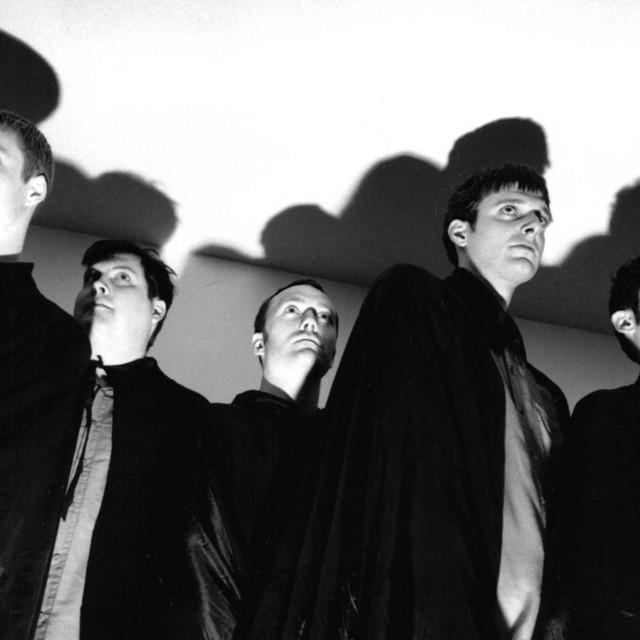
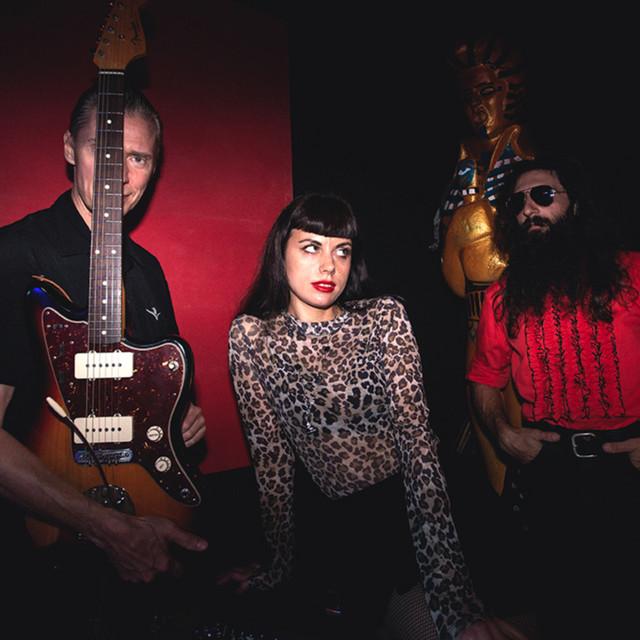
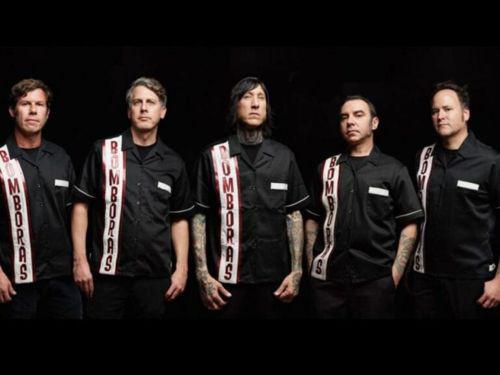
The Bomboras’ Spotify BioLos Angeles-based group the Bomboras were one of the best and most significant bands associated with the surf rock revival of the 1990s, as well as one of the most theatrical. After making their debut with 1995's Savage Island, the group released several exceptional albums throughout the decade, including 1997's It Came from Pier 13, before splitting in 2000.
The Bomboras were formed in 1994. Bassist Pam Moore already had a band under that name, and Jake Cavaliere (organ), Gregg Hunt (guitar), and Dave Klein (drums), all formerly of the Finks, were playing together as Lord Hunt & His Missing Finks. The two groups merged and performed as the Bomboras, additionally featuring guitarist Gina Brune. Taking their name from a classic surf instrumental by the Original Surfaris, this "intoxicating surf & garage combo" combined their love of fast-paced and fuzzy instrumentals from the '60s -- inspired by the Deadly Ones, Ventures, the Astronauts, etc. -- with Tiki and hot rod subculture and… punk-styled intensity. Their live show (where they were often accompanied on-stage by topless go-go girls) and wild stage antics soon became legendary in the local L.A. club scene; the band would appear on-stage wearing Halloween masks, dressed as Borneo headhunters, or glow-in-the-dark Day of the Dead skeletons with oversized black-lit sombreros. At the end of their set, they also destroyed their vintage gear by setting it on fire. Cavaliere would often spit fire over the crowd's heads as well, á la Gene Simmons. The local L.A. fire officials often attempted to shut the band down or warned club owners and promoters of potential fines should they allow the band to use fire in their performances (the band usually promised to behave, but sometimes set their gear on fire anyway).
Moore and Brune eventually left the group, and Andy Rasmussen joined on bass. The Bomboras came to the attention of Dionysus Records, who signed the group and issued several albums over the next few years. Their first, 1995's Savage Island, was recorded in two days at a cost of only $200.00. The Burbank-based indie label released several 7" singles, which were collected on 1996's Swingin' Singles. Shane "Showman" Van Dyke replaced Rasmussen, and Von Franco joined as the group's second guitarist. Franco and his replacement, Johnny DeVilla, both appeared on the band's second album, 1997's It Came from Pier 13. Also released was Organ Grinder, a 1996 10" EP reissued as a CD in 1998, appended with six tracks recorded live at Los Angeles' famed Jabberjaw club. The group also appeared on various-artists compilation albums, including a Ventures tribute CD and Del-Fi's Surf Monsters: Past, Present & Future Surf Classics.
In the summer of 1997, the Bomboras signed to Rob Zombie's newly formed Zombie a Go-Go label, which was distributed by Geffen. The band entered the studio in August 1997 and emerged seven days later with Head Shrinkin' Fun, but its release was delayed until June 1998 due to the Universal company acquiring Geffen along with several other labels. By 2000, the Bomboras were ready to move on and called it quits. Klein and Van Dyke focused their full attention on their longtime side project, the Invisible Men; they were eventually joined by guitarist Gregg Hunt. Cavaliere, meanwhile, formed the Lords of Altamont. The Bomboras played a reunion show on New Year's Eve 2007 and performed at the Wild'O Fest in Mexico City in 2018. ~ Bryan Thomas & Paul Simpson, Rovi
Viberate is a music analytics platform built for A&Rs, artist managers, labels, booking agents, marketers, and artists.
It helps music professionals track artist growth, analyze audience data, monitor playlist activity, compare artists, follow song performance, and identify opportunities across the music market.
Public artist pages provide a free preview of selected artist data. Paid plans provide access to deeper analytics, historical data, charts, comparisons, playlist tools, exports, alerts, reports, and additional professional features.
Yes. Public Viberate artist pages provide selected artist analytics and music data for free.
Viberate also offers a 7-day free trial of the full platform. A credit card is required to start the trial. The trial includes access to the complete product so users can test deeper artist analytics, historical views, playlist insights, comparisons, charts, exports, alerts, and reporting features before choosing a paid plan.
Viberate provides artist analytics across streaming, playlists, social media, video, radio airplay, songs, and audience markets.
Users can analyze Spotify performance, Spotify and Apple Music playlists, YouTube activity, TikTok and Instagram growth, radio spins, song performance, audience locations, demographics, rankings, and overall artist momentum.
Artist profiles also connect to music charts, similar artists, and comparison tools, helping users benchmark performance and evaluate artists in context.
Viberate updates key artist and track data daily.
For followed artists and tracks, selected data is refreshed multiple times per day. This helps teams monitor playlist changes, streaming movement, audience growth, releases, and campaign performance with more current data.
Update frequency can vary depending on the metric and data source.
Yes. Viberate lets users compare up to five artists side by side across streaming, social media, audience, and engagement metrics.
Users can compare fanbase growth, audience demographics, locations, Spotify performance, social metrics, and other artist data over selected time periods.
Artist comparison can be used for A&R scouting, benchmarking, booking decisions, campaign planning, and evaluating artists with similar audiences or market positions.