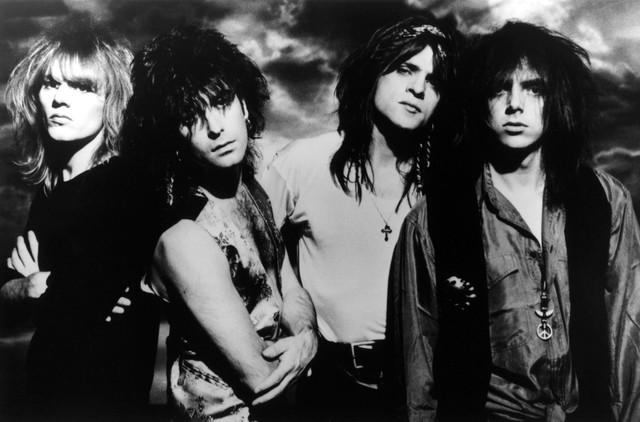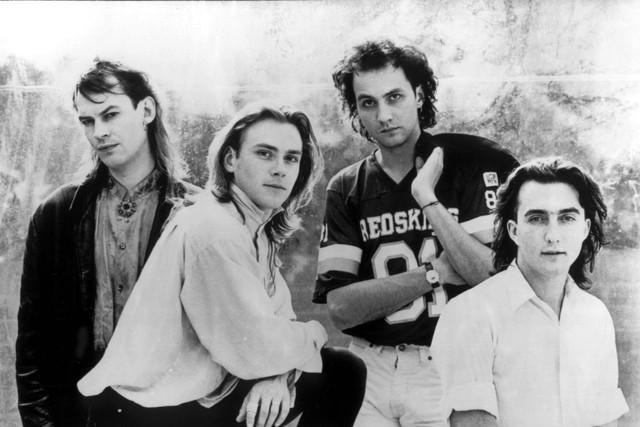
The Bolshoi

Punk
Punk Rock
Pop Rock
 Viberate Rank: 76407
 Viberate Rank: 76407
 Monthly ListenersFollowers
 Subscribers
 Followers
 Followers
 FansTop Spotify Songs
| Track | 7-Day Streams | |
|---|---|---|
1 | 43.97K | |
2 | 12.05K | |
3 | 4.83K | |
4 | 2.99K | |
5 | 1.61K |
Top YouTube Videos| Video | 7-Day Views | |
|---|---|---|
1 | 36.02K | |
2 | 6.17K | |
3 | 1.24K | |
4 | 836 | |
5 | 336 |
Monthly ListenersFeatured in Playlists| Playlist | Followers | |
|---|---|---|
1 |  80s New Wave & Alternative Troy @ TavernTails | 194.42K |
2 |  Anos 70, 80, 90. Só Clássico! rodrigo.almeidadasiqueira | 149.55K |
3 | leirysonraulino | 99.13K |
4 |  New Wave 80s vs Alternative 90s Cocoy Claravall | 68.41K |
5 |  60s 70s 80s 90s 00s Greatest Hits and Songs Diestro Music | 51.95K |
Audience| City | Monthly Listeners | |
|---|---|---|
1 |  | 20.01K |
2 | | 6.86K |
3 |  | 3.71K |
4 | | 3.55K |
5 | | 3.13K |
See full performance history, audience data, playlist activity, rankings, comparisons, and more in Viberate music analytics. Start with a free trial, then continue with a paid plan.
The Bolshoi’s Spotify BioThe British band the Bolshoi flirted with gothic rock without succumbing to the genre's limitations. The group formed in 1984 after Trevor Tanner (vocals, guitar) and Jan Kalicki (drums) hitchhiked to Woolwich, England, to find stardom. With the addition of bassist Nick Chown, the Bolshoi opened up for bands such as the Cult, the Lords of the New Church, Wall of Voodoo, and the March Violets. In 1985, the Bolshoi released the EP Giants, and songs like "Happy Boy" and "Fly" defined the group's early sound -- stark, ominous guitars and morose narratives. Keyboardist Paul Clark joined the band before they recorded their first album, Friends, for Beggars Banquet in 1986. Distributed in America by I.R.S., the soaring single "A Way" garnered the band a loyal following on college stations and it was a hit in dance clubs as well. A year later a remixed version of "A Way" was included on the soundtrack of Something Wild. The Bolshoi toured with Peter Murphy and Spear of Destiny and then… recorded their second album, Lindy's Party. With radio-friendly tracks such as "Please" and "T.V. Man," Lindy's Party enjoyed more airplay than the Bolshoi's previous efforts. In addition, Lindy's Party sheared the group's gothic leanings, opting for synth-driven pop that would expand their commercial appeal, but English critics continued to praise Tanner's taut songwriting. Nevertheless, deciding it was no longer fun working together, the band broke up shortly after its release. Clark moved to Seattle and became involved in electronic music. After a lengthy hiatus, Tanner returned to the studio to record Master of the World in 1998. Tanner reunited with Clark on the track "Majorette," and "Master of the World" was featured on Away...Best of the Bolshoi, a retrospective of the group's career, in 1999. ~ Michael Sutton, Rovi
Viberate is a music analytics platform built for A&Rs, artist managers, labels, booking agents, marketers, and artists.
It helps music professionals track artist growth, analyze audience data, monitor playlist activity, compare artists, follow song performance, and identify opportunities across the music market.
Public artist pages provide a free preview of selected artist data. Paid plans provide access to deeper analytics, historical data, charts, comparisons, playlist tools, exports, alerts, reports, and additional professional features.
Yes. Public Viberate artist pages provide selected artist analytics and music data for free.
Viberate also offers a 7-day free trial of the full platform. A credit card is required to start the trial. The trial includes access to the complete product so users can test deeper artist analytics, historical views, playlist insights, comparisons, charts, exports, alerts, and reporting features before choosing a paid plan.
Viberate provides artist analytics across streaming, playlists, social media, video, radio airplay, songs, and audience markets.
Users can analyze Spotify performance, Spotify and Apple Music playlists, YouTube activity, TikTok and Instagram growth, radio spins, song performance, audience locations, demographics, rankings, and overall artist momentum.
Artist profiles also connect to music charts, similar artists, and comparison tools, helping users benchmark performance and evaluate artists in context.
Viberate updates key artist and track data daily.
For followed artists and tracks, selected data is refreshed multiple times per day. This helps teams monitor playlist changes, streaming movement, audience growth, releases, and campaign performance with more current data.
Update frequency can vary depending on the metric and data source.
Yes. Viberate lets users compare up to five artists side by side across streaming, social media, audience, and engagement metrics.
Users can compare fanbase growth, audience demographics, locations, Spotify performance, social metrics, and other artist data over selected time periods.
Artist comparison can be used for A&R scouting, benchmarking, booking decisions, campaign planning, and evaluating artists with similar audiences or market positions.