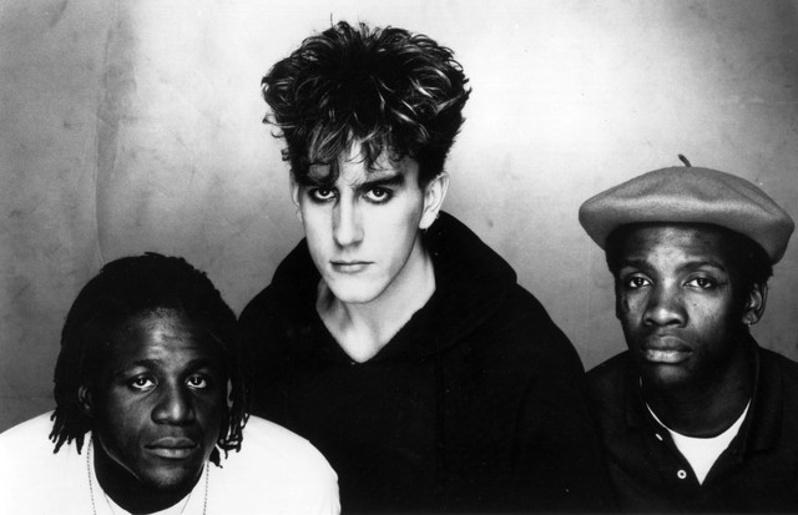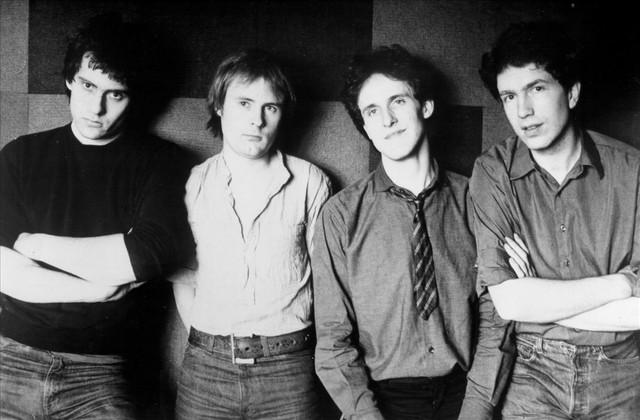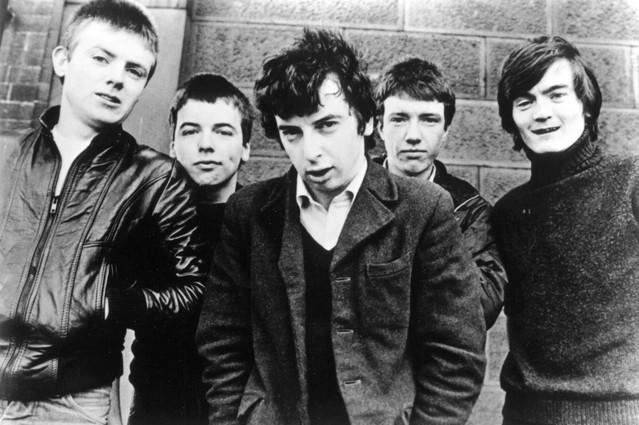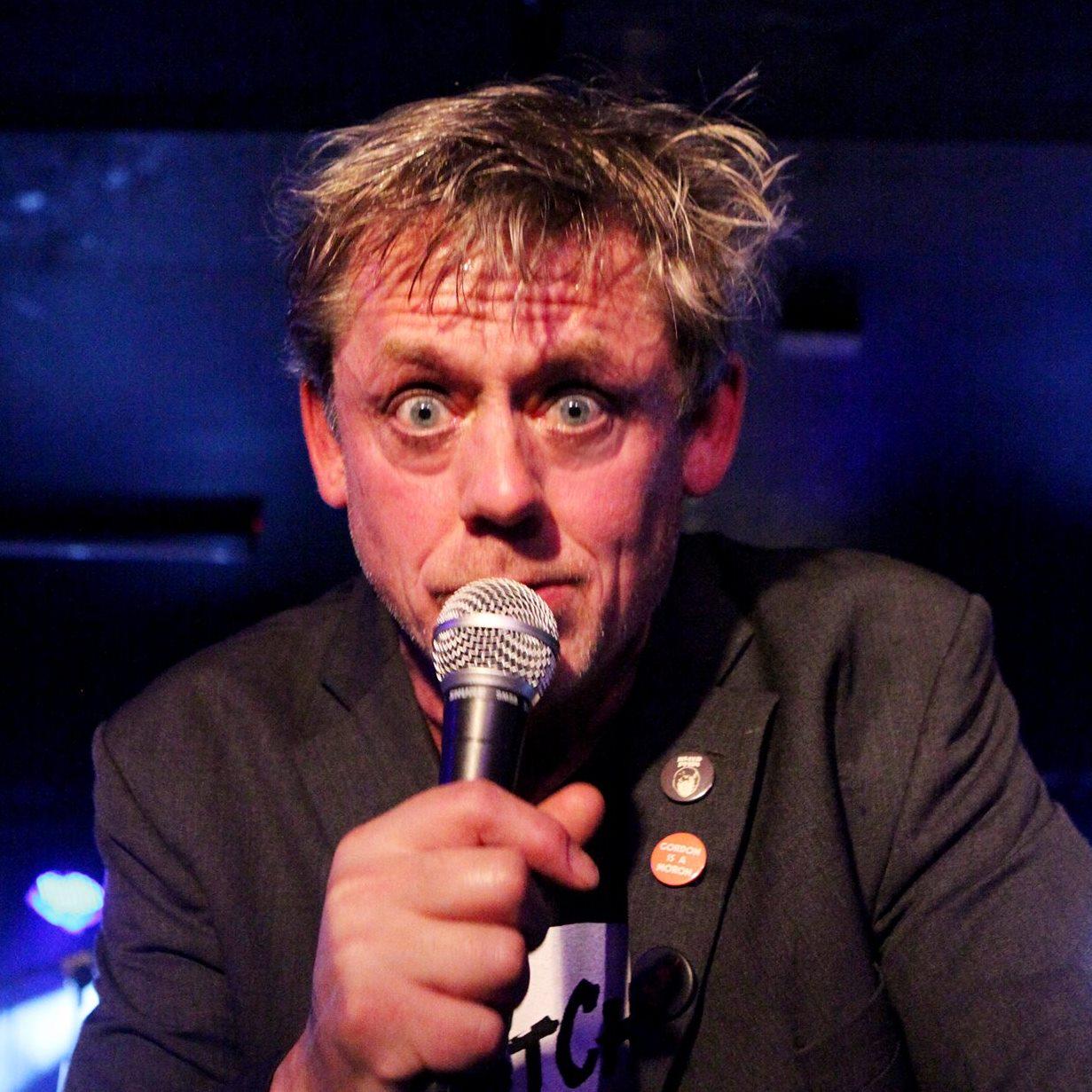
The Blockheads

Punk
Punk Rock
Pop Rock
 Viberate Rank: 74778
 Viberate Rank: 74778
 Monthly ListenersFollowers
 Subscribers
 Followers
 Followers
 FansTop Spotify Songs
| Track | 7-Day Streams | |
|---|---|---|
1 | 38.26K | |
2 | 27.78K | |
3 | 12.37K | |
4 | 9.53K | |
5 | 7.55K |
Top YouTube VideosMonthly ListenersFeatured in Playlists| Playlist | Followers | |
|---|---|---|
1 |  Alternative 70s Spotify | 451.41K |
2 |  Family Party Spotify | 144.07K |
3 |  80s Greatest Hits 💜 best of the 80s Gafferlicious | 83.20K |
4 | Best of 70s 80s Greatest Hits TicklyTim | 78.01K |
5 |  Punk Classics Filtr Legacy Sweden | 73.29K |
Audience| City | Monthly Listeners | |
|---|---|---|
1 | | 11.38K |
2 | | 4.75K |
3 |  | 3.79K |
4 | | 3.61K |
5 | | 2.81K |
See full performance history, audience data, playlist activity, rankings, comparisons, and more in Viberate music analytics. Start with a free trial, then continue with a paid plan.
The Blockheads’ Spotify BioThe backing band of the legendary Ian Dury, the Blockheads were formed in 1977 to back up and promote Dury on tour for his New Boots and Panties!! album. Made up of Chaz Jankel, Norman Watt-Roy, Charlie Charles, John Turnbull, and Mick Gallagher, the Blockheads soon found themselves recording with Dury -- albeit without Jankel -- and landing themselves a hit as Ian Dury & the Blockheads with the 1978 single "What a Waste." Their newfound success led to a U.S. tour in support of Lou Reed, and they went on to further home success in the following two years with the single "Hit Me with Your Rhythm Stick" -- composed by Dury and a returned-to-the-fold Jankel -- and the Do It Yourself album. The early '80s were spent (again) without Jankel, who was off to the States for a solo career, but the band and Dury soldiered on together, releasing the album Laughter and touring Europe and the U.K. in 1981.
The Blockheads and Dury dissolved their working relationship in 1982, but staged a reunion,… Asian-style, in 1987. The death of Charlie Charles brought them back together in 1990 to raise funds for the departed member's family. A live album, Warts 'n' Audience, was recorded from the subsequent shows. The band -- minus Jankel, of course -- toured Spain in 1991, but went on hiatus until 1994 (to play the Madstock Festival) following the dates. When leader and frontman Dury was diagnosed with cancer, he was determined to release another album, and got back together with the Blockheads for the sessions. The resulting work, Mr. Love Pants, was released in 1998. A tour followed, but the Blockheads called it a -- semi-permanent -- day when Ian Dury passed away in early 2000. The band returned to store shelves with the album Where's the Party? in 2004, and in 2008 the Blockheads were slated to play a sizable number of gigs in the United Kingdom, culminating in the release of Staring Down the Barrel the following year. ~ Chris True, Rovi
Viberate is a music analytics platform built for A&Rs, artist managers, labels, booking agents, marketers, and artists.
It helps music professionals track artist growth, analyze audience data, monitor playlist activity, compare artists, follow song performance, and identify opportunities across the music market.
Public artist pages provide a free preview of selected artist data. Paid plans provide access to deeper analytics, historical data, charts, comparisons, playlist tools, exports, alerts, reports, and additional professional features.
Yes. Public Viberate artist pages provide selected artist analytics and music data for free.
Viberate also offers a 7-day free trial of the full platform. A credit card is required to start the trial. The trial includes access to the complete product so users can test deeper artist analytics, historical views, playlist insights, comparisons, charts, exports, alerts, and reporting features before choosing a paid plan.
Viberate provides artist analytics across streaming, playlists, social media, video, radio airplay, songs, and audience markets.
Users can analyze Spotify performance, Spotify and Apple Music playlists, YouTube activity, TikTok and Instagram growth, radio spins, song performance, audience locations, demographics, rankings, and overall artist momentum.
Artist profiles also connect to music charts, similar artists, and comparison tools, helping users benchmark performance and evaluate artists in context.
Viberate updates key artist and track data daily.
For followed artists and tracks, selected data is refreshed multiple times per day. This helps teams monitor playlist changes, streaming movement, audience growth, releases, and campaign performance with more current data.
Update frequency can vary depending on the metric and data source.
Yes. Viberate lets users compare up to five artists side by side across streaming, social media, audience, and engagement metrics.
Users can compare fanbase growth, audience demographics, locations, Spotify performance, social metrics, and other artist data over selected time periods.
Artist comparison can be used for A&R scouting, benchmarking, booking decisions, campaign planning, and evaluating artists with similar audiences or market positions.