The Blasters

Rock
Rockabilly
Blues Rock
Americana/Alt Country
 Viberate Rank: 90751
 Viberate Rank: 90751
 Monthly ListenersFollowers
 Subscribers
 Followers
 Followers
 FansTop Spotify Songs
| Track | 7-Day Streams | |
|---|---|---|
1 | 54.47K | |
2 | 9.81K | |
3 | 4.39K | |
4 | 3.35K | |
5 | 3.32K |
Top YouTube VideosMonthly ListenersFeatured in Playlists| Playlist | Followers | |
|---|---|---|
1 |  Best Tracks from Tarantino Films Spotify | 1.00M |
2 |  Rockabilly Mania Spotify | 547.24K |
3 |  Supernatural Soundtrack [All Seasons] Solitude Collective | 507.79K |
4 | Covers (that are better than the originals) JTG | 208.99K |
5 |  Dean Winchester's Impala Playlist Ekin | 161.83K |
Audience| City | Monthly Listeners | |
|---|---|---|
1 |  | 2.13K |
2 |  | 2.04K |
3 | | 1.91K |
4 | | 1.90K |
5 |  | 1.90K |
See full performance history, audience data, playlist activity, rankings, comparisons, and more in Viberate music analytics. Start with a free trial, then continue with a paid plan.
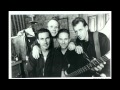
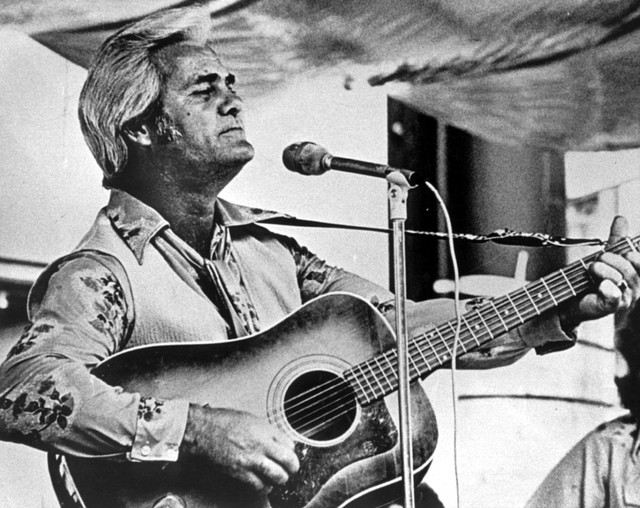
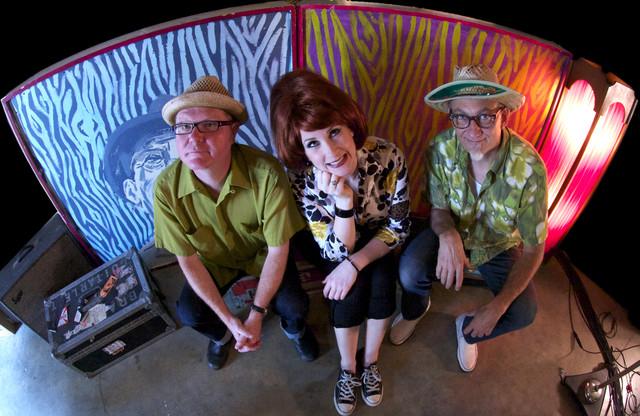
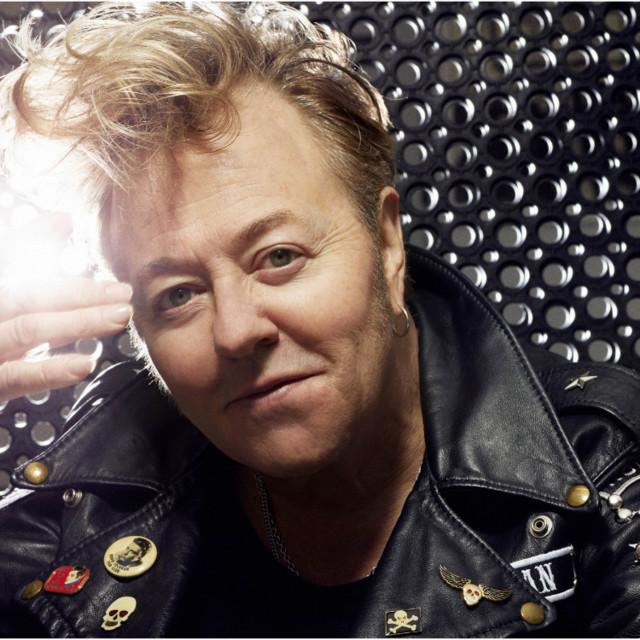
The Blasters’ Spotify BioThe all-American roots music band the Blasters were principally brothers Dave and Phil Alvin, whose first-hand experience with blues masters shaped their sound and turned them both into contemporary singer/songwriters whose interest in roots rock has never waned.
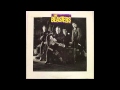
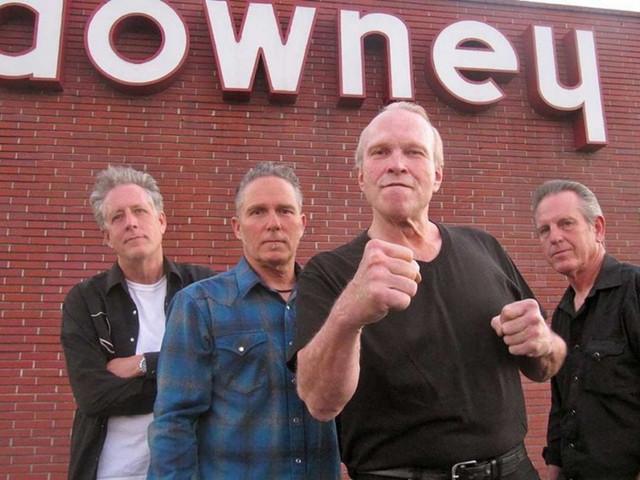
The brothers, along with Bill Bateman on drums and John Bazz on bass, grew up in Downey, California, in the shadow of Disneyland. Their musical education involved hanging out with musicians like Lee Allen, Marcus Johnson, and T-Bone Walker, all of whom tipped the band to the ways of blues and R&B. Ironically, by the time they were ready to work in Los Angeles clubs, the punk rock explosion was in full swing, and they found an audience for their rough-and-ready sound among the punks, particularly fans of X, with whom they frequently shared the bill. American Music (1980) was a collection of roots covers and like-minded originals. Followed by The Blasters (1981, Slash), the band had added veteran pianist Gene Taylor, baritone… saxophonist Steve Berlin and mentor Allen on tenor sax. Amazingly, the album reached number 36 on the charts. In 1982, they recorded the live EP, Over There for Slash, followed by 1983's Non-Fiction. Less focused on rockabilly revivalism, Dave Alvin had become the band's chief cook and songwriter. Berlin had since left the fold to join Los Lobos. Hard Line in 1985 was even more polished and featured the work of Ry Cooder and John Mellencamp; the latter's song "Colored Lights" was written and produced by him especially with the band in mind. The band called it a day after that, though several years later Phil Alvin reformed the group as a live act without Dave.
After joining X for a brief spell, Dave launched a career as a prolific solo recording artist; Phil released one solo album before heading back to school to pursue post-graduate work in mathematics. Taylor is also a solo recording artist. In spring 2002 the original Blasters lineup -- the Dave and Phil Alvin, Bazz, Bateman, and Taylor -- reunited for a series of six reunions shows in California. A live album resulted, Trouble Bound, which featured recordings from the group's two performances at House of Blues in Hollywood. Another round of reunion shows produced a second live set, The Blasters Live: Going Home, and a home video of the same show was released concurrently. With the group back in the public eye, in 2005 Phil Alvin's edition of the Blasters -- featuring Phil, John Bazz on bass, Keith Wyatt on guitar, and Jerry Angel on drums -- finally released a long-promised studio album, 4-11-44. Fun on a Saturday Night, this time featuring Phil Alvin, Bazz, Bateman, and Taylor, but with Keith Wyatt on guitar instead of Dave Alvin, appeared from Rip Cat Records seven years later in 2012. ~ Denise Sullivan, Rovi
Viberate is a music analytics platform built for A&Rs, artist managers, labels, booking agents, marketers, and artists.
It helps music professionals track artist growth, analyze audience data, monitor playlist activity, compare artists, follow song performance, and identify opportunities across the music market.
Public artist pages provide a free preview of selected artist data. Paid plans provide access to deeper analytics, historical data, charts, comparisons, playlist tools, exports, alerts, reports, and additional professional features.
Yes. Public Viberate artist pages provide selected artist analytics and music data for free.
Viberate also offers a 7-day free trial of the full platform. A credit card is required to start the trial. The trial includes access to the complete product so users can test deeper artist analytics, historical views, playlist insights, comparisons, charts, exports, alerts, and reporting features before choosing a paid plan.
Viberate provides artist analytics across streaming, playlists, social media, video, radio airplay, songs, and audience markets.
Users can analyze Spotify performance, Spotify and Apple Music playlists, YouTube activity, TikTok and Instagram growth, radio spins, song performance, audience locations, demographics, rankings, and overall artist momentum.
Artist profiles also connect to music charts, similar artists, and comparison tools, helping users benchmark performance and evaluate artists in context.
Viberate updates key artist and track data daily.
For followed artists and tracks, selected data is refreshed multiple times per day. This helps teams monitor playlist changes, streaming movement, audience growth, releases, and campaign performance with more current data.
Update frequency can vary depending on the metric and data source.
Yes. Viberate lets users compare up to five artists side by side across streaming, social media, audience, and engagement metrics.
Users can compare fanbase growth, audience demographics, locations, Spotify performance, social metrics, and other artist data over selected time periods.
Artist comparison can be used for A&R scouting, benchmarking, booking decisions, campaign planning, and evaluating artists with similar audiences or market positions.