The Black Queen

Pop
Indie Pop
Darkwave
 Viberate Rank: 85967
 Viberate Rank: 85967
 Monthly ListenersFollowers
 Subscribers
 Followers
 Followers
 FansTop Spotify Songs
| Track | 7-Day Streams | |
|---|---|---|
1 | 12.22K | |
2 | 7.97K | |
3 | 7.67K | |
4 | 6.57K | |
5 | 5.28K |
Top YouTube Videos| Video | 7-Day Views | |
|---|---|---|
1 | 28 |
Monthly ListenersFeatured in Playlists| Playlist | Followers | |
|---|---|---|
1 |  MrSuicideSheep Uploads MrSuicideSheep | 68.06K |
2 |  GOTH ULTIMATE LIST | DARK WAVE/POST-PUNK/GOTHIC ROCK/EBM/SYNTH/DEATH ROCK Annie Dark | 31.59K |
3 | MegaMusic | 20.16K |
4 | Catieosaurus 's Infinite ADHD Playlist Pt. 1 Catieosaurus | 16.21K |
5 |  Bisexual Anthems Lyssa D Thomlin | 14.05K |
Audience| City | Monthly Listeners | |
|---|---|---|
1 |  | 1.70K |
2 | | 1.44K |
3 | | 1.42K |
4 | | 905 |
5 | | 895 |
See full performance history, audience data, playlist activity, rankings, comparisons, and more in Viberate music analytics. Start with a free trial, then continue with a paid plan.
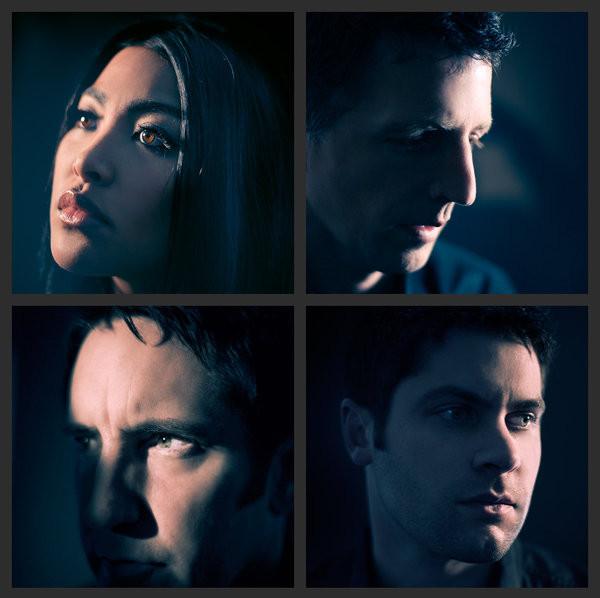
The Black Queen’s Spotify BioA kind of power synth pop trio, the Black Queen began in casual fashion and developed into a full-blown band treated by its members as much more than an extracurricular project. In 2011, Greg Puciato, Dillinger Escape Plan's vocalist, and Steven Alexander, a seasoned tech (DEP, Nine Inch Nails, Ke$ha), began working on material with one another that deviated significantly from the former's main band. Later in the year, Joshua Eustis (NIN, Puscifer) was added to the fold, after Puciato crossed paths with the multi-instrumentalist, producer, and songwriter at a Puscifer gig. Puciato's interests had long involved electronic music -- his primary band had covered songs by Massive Attack, Depeche Mode, and even Aphex Twin -- and he admired Eustis' output with Telefon Tel Aviv. The two also shared a love for R&B, a genre detectable throughout Eustis' recorded history. Within a couple years, Puciato, Alexander, and Eustis were deeply involved in the Black Queen, living with one another in Los… Angeles, and supporting each other through bleak personal matters. In 2015, they debuted the Black Queen with the ballad "The End Where We Start" and quickly followed it with the relatively uptempo "Ice to Never," a pair of singles that were closer in construction to Telefon Tel Aviv's Immolate Yourself than anything by Dillinger Escape Plan. Additionally, these songs featured some of Puciato's most melodic and restrained vocal performances without sacrificing any feeling. Fever Daydream, their debut album, was released in January 2016. They went on to promote the record with an international tour later that year before Puciato returned to Dillinger to record their final album, Dissociation, which saw release in October 2016. DEP spent almost the entirety of 2017 touring in support of the record before taking a break and Puciato returned the Black Queen fold in 2018 to record their sophomore effort -- Infinite Games -- which saw release in September 2018. ~ Andy Kellman, Rovi
Viberate is a music analytics platform built for A&Rs, artist managers, labels, booking agents, marketers, and artists.
It helps music professionals track artist growth, analyze audience data, monitor playlist activity, compare artists, follow song performance, and identify opportunities across the music market.
Public artist pages provide a free preview of selected artist data. Paid plans provide access to deeper analytics, historical data, charts, comparisons, playlist tools, exports, alerts, reports, and additional professional features.
Yes. Public Viberate artist pages provide selected artist analytics and music data for free.
Viberate also offers a 7-day free trial of the full platform. A credit card is required to start the trial. The trial includes access to the complete product so users can test deeper artist analytics, historical views, playlist insights, comparisons, charts, exports, alerts, and reporting features before choosing a paid plan.
Viberate provides artist analytics across streaming, playlists, social media, video, radio airplay, songs, and audience markets.
Users can analyze Spotify performance, Spotify and Apple Music playlists, YouTube activity, TikTok and Instagram growth, radio spins, song performance, audience locations, demographics, rankings, and overall artist momentum.
Artist profiles also connect to music charts, similar artists, and comparison tools, helping users benchmark performance and evaluate artists in context.
Viberate updates key artist and track data daily.
For followed artists and tracks, selected data is refreshed multiple times per day. This helps teams monitor playlist changes, streaming movement, audience growth, releases, and campaign performance with more current data.
Update frequency can vary depending on the metric and data source.
Yes. Viberate lets users compare up to five artists side by side across streaming, social media, audience, and engagement metrics.
Users can compare fanbase growth, audience demographics, locations, Spotify performance, social metrics, and other artist data over selected time periods.
Artist comparison can be used for A&R scouting, benchmarking, booking decisions, campaign planning, and evaluating artists with similar audiences or market positions.