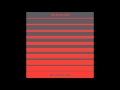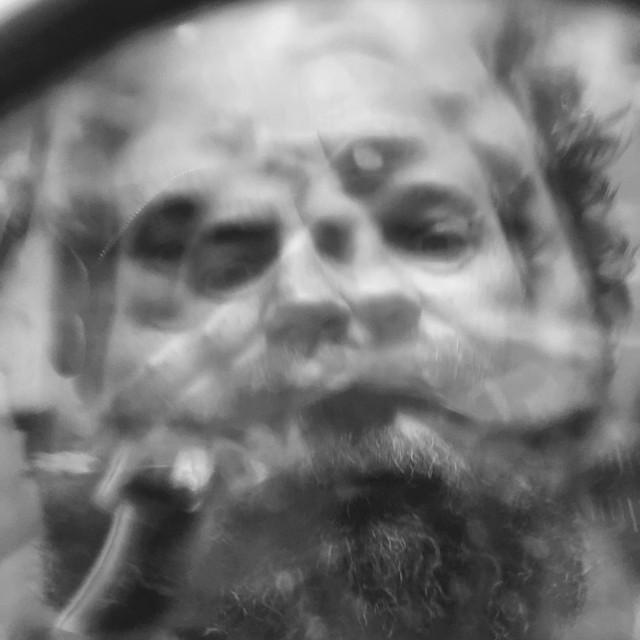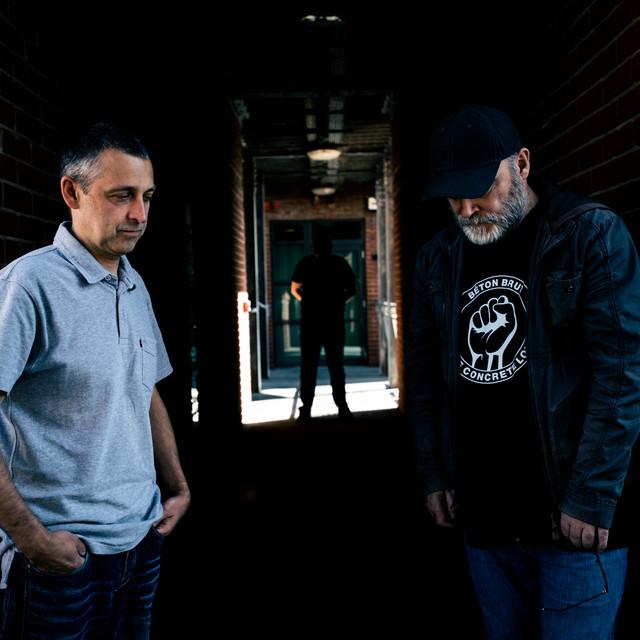
The Black Dog

Electronic
Techno
Other Electronic Music
 Viberate Rank: 67305
 Viberate Rank: 67305
 Monthly ListenersFollowers
 Subscribers
 Followers
 Followers
 FansTop Spotify Songs
| Track | 7-Day Streams | |
|---|---|---|
1 | 8.26K | |
2 | 5.67K | |
3 | 5.50K | |
4 | 4.36K | |
5 | 4.06K |
Top YouTube VideosMonthly ListenersFeatured in Playlists| Playlist | Followers | |
|---|---|---|
1 |  Cafe del Mar Ibiza Chillout 2026 Café del Mar | 312.89K |
2 |  IDM Essentials Spotify | 204.21K |
3 |  U2 Complete U2 | 144.34K |
4 |  Techno House Trips Monroychis (playlist) | 88.08K |
5 |  Aphex Twin: [mostly mellow] for Supreme Supreme | 44.15K |
Audience| City | Monthly Listeners | |
|---|---|---|
1 | | 4.01K |
2 |  | 2.56K |
3 |  | 1.51K |
4 |  | 1.44K |
5 |  | 1.34K |
See full performance history, audience data, playlist activity, rankings, comparisons, and more in Viberate music analytics. Start with a free trial, then continue with a paid plan.
The Black Dog’s Spotify BioOne of the most influential English electronic groups of all time, Sheffield's the Black Dog played an indispensable role in establishing techno as home listening, as opposed to music created strictly for dance clubs. First surfacing in 1989 with a series of self-released EPs, their work was heavily influenced by Detroit techno and electro, but their inclusion of complex, often breakbeat-heavy rhythms and playful melodies set them apart from the rest of the electronic scene. They received their greatest exposure through several releases on Warp throughout the '90s, including the classic albums Bytes and Spanners, as well as their association with Björk, for whom they remixed a few songs. After two of the founding members split in order to concentrate on their own group Plaid, Ken Downie continued the Black Dog as a solo project and eventually with other producers, surfacing with several remixes as well as a 2002 album with French poet Black Sifichi titled Unsavoury Products. Since… 2001, the Black Dog's lineup has included Dust Science co-founders Martin and Richard Dust, and the group's prolific output from 2005 onward has focused on darker, more politically conscious techno and ambient, with albums like 2018's Post-Truth and Black Daisy Wheel. On 2023's The Grey Album, the Black Dog paid tribute to their home city's electronic music legacy.
Taking their name from a British euphemism for imminent doom, the Black Dog formed in the late '80s as the trio of Ken Downie, Ed Handley, and Andy Turner. Forging a challenging, relentless combination of early techno, electro, and hip-hop with a penchant for odd time signatures, high-tech atmospherics, and Egyptian iconography, the group immediately distinguished itself from the scores of disposable techno musicians covering familiar ground in the post-rave U.K. Something of a closet phenomenon attracting the devotion of DJs who nonetheless refused to play their complicated brew for fear of being booed off the decks, the Black Dog were immediately placed in the emerging "intelligent techno" category upon the release of their full-length debut as Black Dog Productions, Bytes (1993). A largely U.K.-media constituted phrase meant to peg music involving dance music compositional styles nonetheless intended for home listening, the term took hold and was often applied to artists like Autechre, Aphex Twin, µ-Ziq, and As One.
As Plaid, Ed Handley and Andy Turner had already released a handful of material (including an album) prior to meeting Downie, but their time spent in BDP was their most productive up to that point. In addition to the Dog's inclusion on the perhaps more high-profile Artificial Intelligence compilations on Warp and remixes for the likes of Björk, Blondie, UNKLE, and Ned's Atomic Dustbin, they also released several full-length works as a group before Handley and Turner defected in 1995 to refocus on Plaid full-time. The pair released an EP on the Clear label in mid-1995, and issued their second full-length, Not for Threes, two years later on Warp. Downie continued with the Black Dog name, releasing the full-length Music for Adverts (And Short Films) in 1996. In 2002, Downie collaborated with Parisian spoken word artist Black Sifichi on the William S. Burroughs tribute Unsavoury Products, and the Downie/Sifichi pairing was given the remix treatment on the following year's Genetically Modified.
Downie resurfaced in 2005 with Martin and Richard Dust, releasing the strong albums Silenced (2005), Radio Scarecrow (2008), Further Vexations (2009), and Music for Real Airports (2010) -- a pointed response to Brian Eno's Music for Airports, designed to "reinforce the false utopia and fake idealism of air travel." Liber Dogma (2011), Tranklements (2013), and Neither/Neither (2015) followed closely behind. During this period of heavy activity, there was a handful of compilations, including the early-years anthology Book of Dogma, as well as the later short-format collections Thee Singles and Thee Singles II. In early 2018, the Black Dog released Shards ov Light, their ambient soundtrack to Forgemasters, the final film by the late photographer Shaun Bloodworth. The group released two full-lengths that May: the beat-heavy Post-Truth and the more ambient Black Daisy Wheel, both of which reflected on the political and social climate.
Another full-length, Fragments, arrived in November 2020, followed by Further Fragments and Fragments Live. Ambient album Music for Photographers and a trio of Dubs EP appeared in 2021. Several EPs, a live album recorded in Barcelona, and Brutal Five to One Mix V2 all surfaced in 2022. In 2023, the Black Dog released Music for Dead Airports and Music for Airport Lounges, as well as The Grey Album, a more spontaneous effort inspired by early Sheffield electronic acts like Cabaret Voltaire, the Human League, and Heaven 17. ~ Sean Cooper & Paul Simpson, Rovi
Viberate is a music analytics platform built for A&Rs, artist managers, labels, booking agents, marketers, and artists.
It helps music professionals track artist growth, analyze audience data, monitor playlist activity, compare artists, follow song performance, and identify opportunities across the music market.
Public artist pages provide a free preview of selected artist data. Paid plans provide access to deeper analytics, historical data, charts, comparisons, playlist tools, exports, alerts, reports, and additional professional features.
Yes. Public Viberate artist pages provide selected artist analytics and music data for free.
Viberate also offers a 7-day free trial of the full platform. A credit card is required to start the trial. The trial includes access to the complete product so users can test deeper artist analytics, historical views, playlist insights, comparisons, charts, exports, alerts, and reporting features before choosing a paid plan.
Viberate provides artist analytics across streaming, playlists, social media, video, radio airplay, songs, and audience markets.
Users can analyze Spotify performance, Spotify and Apple Music playlists, YouTube activity, TikTok and Instagram growth, radio spins, song performance, audience locations, demographics, rankings, and overall artist momentum.
Artist profiles also connect to music charts, similar artists, and comparison tools, helping users benchmark performance and evaluate artists in context.
Viberate updates key artist and track data daily.
For followed artists and tracks, selected data is refreshed multiple times per day. This helps teams monitor playlist changes, streaming movement, audience growth, releases, and campaign performance with more current data.
Update frequency can vary depending on the metric and data source.
Yes. Viberate lets users compare up to five artists side by side across streaming, social media, audience, and engagement metrics.
Users can compare fanbase growth, audience demographics, locations, Spotify performance, social metrics, and other artist data over selected time periods.
Artist comparison can be used for A&R scouting, benchmarking, booking decisions, campaign planning, and evaluating artists with similar audiences or market positions.