The Big Drink

Pop
Indie Pop
Indie Rock
 Viberate Rank: 913556
 Viberate Rank: 913556
 Monthly ListenersFollowers
 Subscribers
 Followers
 Followers
 FansTop Spotify Songs
| Track | 7-Day Streams | |
|---|---|---|
1 | 7 | |
2 | 7 | |
3 | 4 | |
4 | 3 |
Top YouTube VideosMonthly ListenersFeatured in Playlists| Playlist | Followers | |
|---|---|---|
1 |  New Indie 2025 Indie & Folk Radio | 10.29K |
2 |  Alex Rain Bird Music tuo1 | 1.28K |
Audience| City | Monthly Listeners | |
|---|---|---|
1 |  | 3 |
2 | | 3 |
See full performance history, audience data, playlist activity, rankings, comparisons, and more in Viberate music analytics. Start with a free trial, then continue with a paid plan.
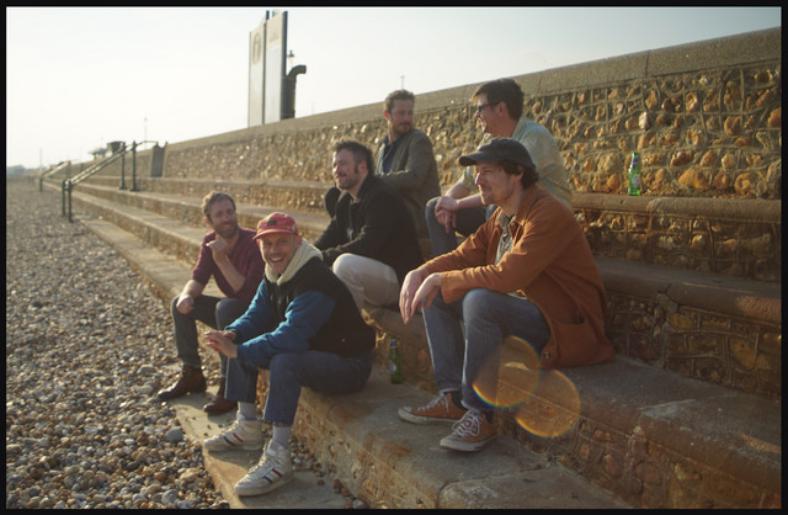
The Big Drink’s Spotify BioThe Big Drink, a collaborative effort born from the synergy between Brighton-based band Common Tongues and
London’s Michael Baker, emerged from shared stages and band members while touring Germany in the 2010s. Both
bands were gaining momentum, with Baker making back-to-back appearances at Glastonbury and Common Tongues
playing live on radio 2 and supporting Villagers and Local Natives. This shared journey fostered a brotherhood rooted
in songwriting, drawing inspiration from the themes of loss and love.
Their sophomore release, "High and Wasted," marks a significant departure from their debut. The EP explores a more
stripped-back sound, capturing live performances in their Brighton seaside studio. Michael, Oli, and Tom filled the
gaps of their usual full-band sound with cathartic experiments in rhythmic design and texture, showcasing a more
electronic and urban side to their writing and production.
Having recently collaborated with James Dring (Gorillaz, Jamie T) on his project Sock Drawer,… Michael produced
"High and Wasted," striving to preserve the magic of genuine collaboration and the beauty of imperfection. The band
recorded full live tracks, embracing the unpredictability of performing together, where no one instrument played alone.
They recorded vocals together in one room, allowing their voices to blend naturally, and layered guitar and keys
through analogue delays, keeping an element of chance and danger in each performance.
Viberate is a music analytics platform built for A&Rs, artist managers, labels, booking agents, marketers, and artists.
It helps music professionals track artist growth, analyze audience data, monitor playlist activity, compare artists, follow song performance, and identify opportunities across the music market.
Public artist pages provide a free preview of selected artist data. Paid plans provide access to deeper analytics, historical data, charts, comparisons, playlist tools, exports, alerts, reports, and additional professional features.
Yes. Public Viberate artist pages provide selected artist analytics and music data for free.
Viberate also offers a 7-day free trial of the full platform. A credit card is required to start the trial. The trial includes access to the complete product so users can test deeper artist analytics, historical views, playlist insights, comparisons, charts, exports, alerts, and reporting features before choosing a paid plan.
Viberate provides artist analytics across streaming, playlists, social media, video, radio airplay, songs, and audience markets.
Users can analyze Spotify performance, Spotify and Apple Music playlists, YouTube activity, TikTok and Instagram growth, radio spins, song performance, audience locations, demographics, rankings, and overall artist momentum.
Artist profiles also connect to music charts, similar artists, and comparison tools, helping users benchmark performance and evaluate artists in context.
Viberate updates key artist and track data daily.
For followed artists and tracks, selected data is refreshed multiple times per day. This helps teams monitor playlist changes, streaming movement, audience growth, releases, and campaign performance with more current data.
Update frequency can vary depending on the metric and data source.
Yes. Viberate lets users compare up to five artists side by side across streaming, social media, audience, and engagement metrics.
Users can compare fanbase growth, audience demographics, locations, Spotify performance, social metrics, and other artist data over selected time periods.
Artist comparison can be used for A&R scouting, benchmarking, booking decisions, campaign planning, and evaluating artists with similar audiences or market positions.