The Big Deal

Rock
Hard Rock
Pop Rock
 Viberate Rank: 340599
 Viberate Rank: 340599
 Monthly ListenersFollowers
 Subscribers
 Followers
 Followers
 FansTop Spotify Songs
| Track | 7-Day Streams | |
|---|---|---|
1 | 66 | |
2 | 53 | |
3 | 38 | |
4 | 34 | |
5 | 31 |
Top YouTube VideosMonthly ListenersFeatured in Playlists| Playlist | Followers | |
|---|---|---|
1 |  New Melodic Rock Frontiers Music srl. | 3.29K |
2 | Power Metal / Symphonic 900+ Kris Snyder | 1.24K |
3 |  New Metal Covers 2026 arhivamea | 1.09K |
Audience| City | Monthly Listeners | |
|---|---|---|
1 |  | 15 |
2 |  | 14 |
3 |  | 11 |
4 | | 10 |
5 |  | 10 |
See full performance history, audience data, playlist activity, rankings, comparisons, and more in Viberate music analytics. Start with a free trial, then continue with a paid plan.
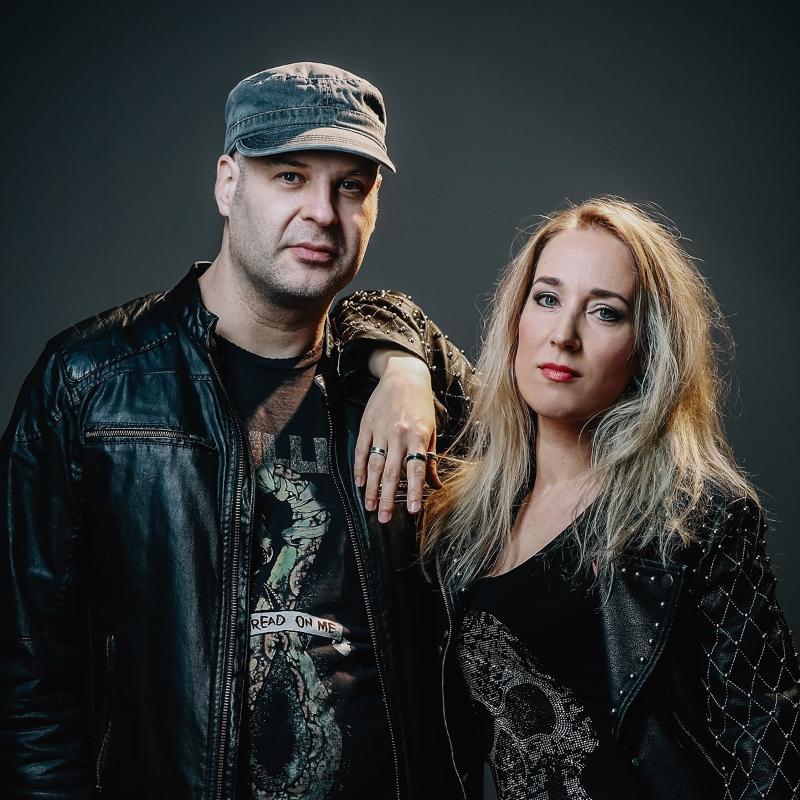
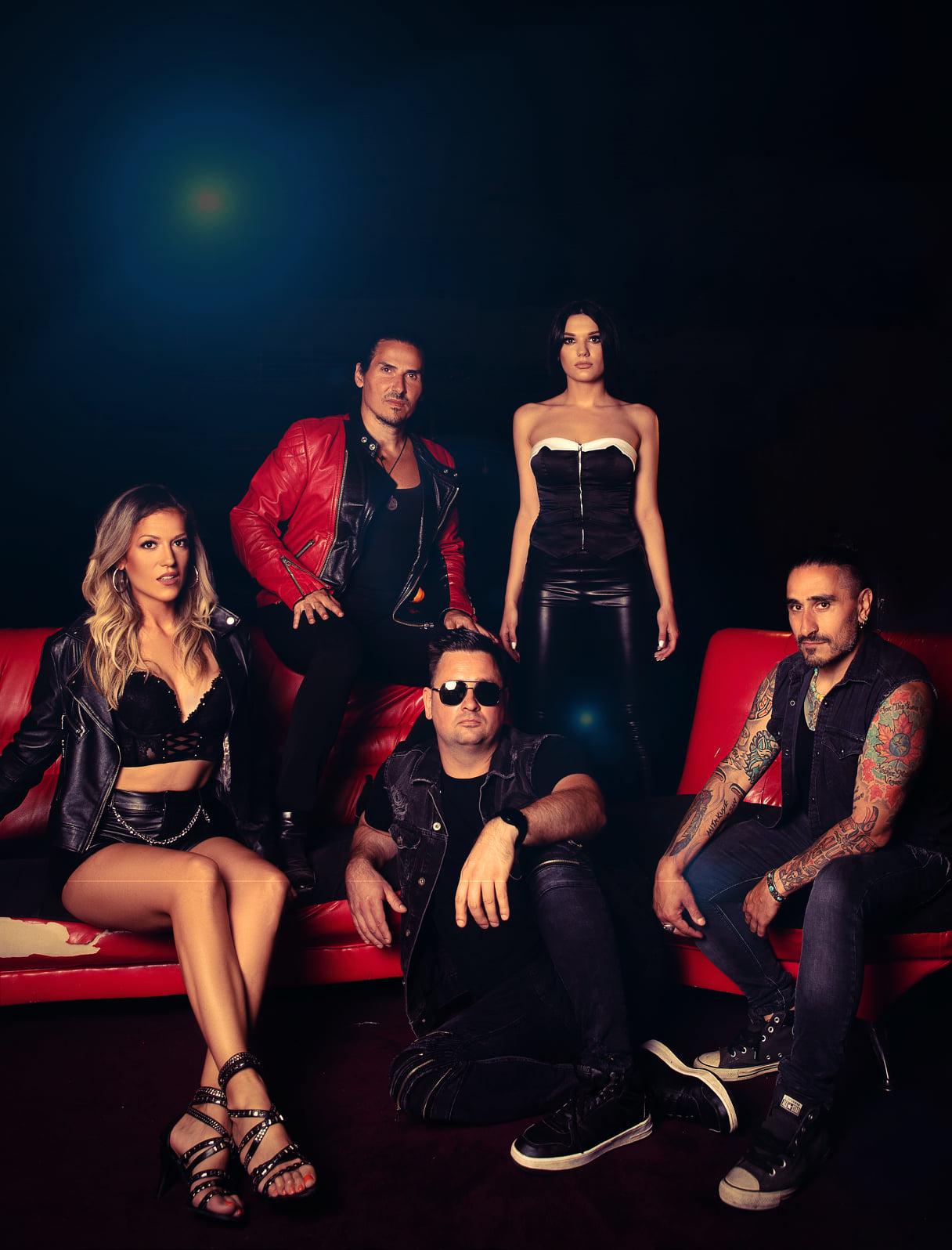
The Big Deal’s Spotify BioThe Big Deal, featuring two outstanding vocalists, Nevena Brankovic (who is also a highly skilled keyboard/piano player) and Ana Nikolic offers up a catchy, driving sound that will appeal to a wide swath of rock and metal fans from lovers of melodic rock and hard rock to symphonic and power metal fans. Guitarist Srdjan Brankovic, the band's producer and main songwriter, may be recognized by some fans from his work with progressive metallers Alogia, of whom drummer Marko Milojevic is also a member.
The Big Deal first came to be when two founding members, Srdjan ( guitarist, composer, and producer) and Nevena (singer, keyboardist and composer, who is also an academic pianist) started working on some demos with drummer Marko Milojevic. During the writing process, it struck Srdjan that it might be interesting to include Ana's vocals in addition to Nevena's in the recordings they were working on. After a couple of songs were rearranged to adapt this idea, he and Nevena were quite happy with… the results. These songs would eventually morph into the music that was presented to Frontiers Records and that ultimately got them signed. To round out the lineup, the band brought in Alessandro Del Vecchio (Hardline, Revolution Saints) on bass (who was instrumental in introducing the band to the label).
Viberate is a music analytics platform built for A&Rs, artist managers, labels, booking agents, marketers, and artists.
It helps music professionals track artist growth, analyze audience data, monitor playlist activity, compare artists, follow song performance, and identify opportunities across the music market.
Public artist pages provide a free preview of selected artist data. Paid plans provide access to deeper analytics, historical data, charts, comparisons, playlist tools, exports, alerts, reports, and additional professional features.
Yes. Public Viberate artist pages provide selected artist analytics and music data for free.
Viberate also offers a 7-day free trial of the full platform. A credit card is required to start the trial. The trial includes access to the complete product so users can test deeper artist analytics, historical views, playlist insights, comparisons, charts, exports, alerts, and reporting features before choosing a paid plan.
Viberate provides artist analytics across streaming, playlists, social media, video, radio airplay, songs, and audience markets.
Users can analyze Spotify performance, Spotify and Apple Music playlists, YouTube activity, TikTok and Instagram growth, radio spins, song performance, audience locations, demographics, rankings, and overall artist momentum.
Artist profiles also connect to music charts, similar artists, and comparison tools, helping users benchmark performance and evaluate artists in context.
Viberate updates key artist and track data daily.
For followed artists and tracks, selected data is refreshed multiple times per day. This helps teams monitor playlist changes, streaming movement, audience growth, releases, and campaign performance with more current data.
Update frequency can vary depending on the metric and data source.
Yes. Viberate lets users compare up to five artists side by side across streaming, social media, audience, and engagement metrics.
Users can compare fanbase growth, audience demographics, locations, Spotify performance, social metrics, and other artist data over selected time periods.
Artist comparison can be used for A&R scouting, benchmarking, booking decisions, campaign planning, and evaluating artists with similar audiences or market positions.