The Beu Sisters

Rock
Pop Rock
 Viberate Rank: 174583
 Viberate Rank: 174583
 Monthly ListenersFollowers
 Subscribers
 Followers
 Followers
 FansTop Spotify Songs
| Track | 7-Day Streams | |
|---|---|---|
1 | 5.26K | |
2 | 2.64K | |
3 | 1.35K | |
4 | 1.35K | |
5 | 1.09K |
Top YouTube Videos| Video | 7-Day Views | |
|---|---|---|
1 | 6 |
Monthly ListenersFeatured in Playlists| Playlist | Followers | |
|---|---|---|
1 | 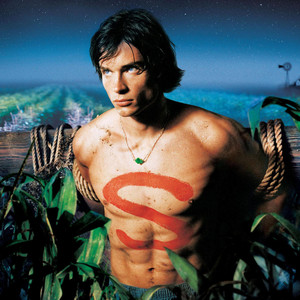 Smallville Lachlan Carney | 51.59K |
2 | Kids Dance Party maggisonpie | 41.99K |
3 | Smallville: The Complete Soundtrack wyattpoulton | 40.36K |
4 | Fire Throwbacks 🔥🔥🔥 Ana Clark | 29.36K |
5 |  Happy Chill Morning Anina Mortel | 28.82K |
Audience| City | Monthly Listeners | |
|---|---|---|
1 |  | 461 |
2 | | 413 |
3 | | 411 |
4 | | 391 |
5 | | 352 |
See full performance history, audience data, playlist activity, rankings, comparisons, and more in Viberate music analytics. Start with a free trial, then continue with a paid plan.
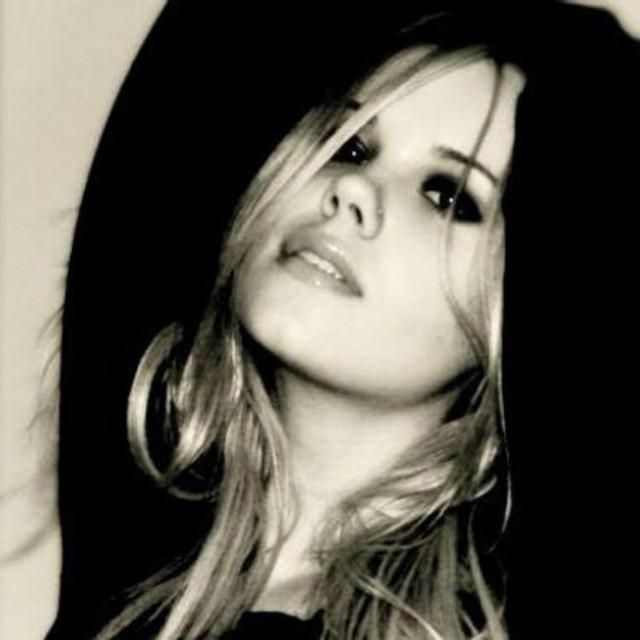
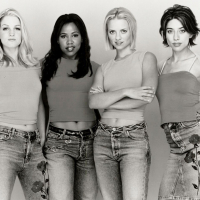
The Beu Sisters’ Spotify BioWith a sassy demeanor, a natural beauty, and impressive singing chops, the Beu Sisters embarked on a promising music career in early 2002. But for Candice, Christie, Danielle, and Jiliane Beu, singing was just a normal part of their life.
Originally born and bred in New York City, the Beu Sisters were surrounded by classics of the Broadway stage early on. Their parents were both show business veterans and had performed in some of theater's greatest productions. In 1991, the Beu Sisters left Manhattan for the suburban community of New Smyrna Beach, FL. Once they settled into their new home, the girls returned to singing. Their parents' divorce three years later didn't deter them from writing from their hearts either. The Beu Sisters were serious in making music their lives.
In 1997, they cut a homemade demo. Costumes were designed and dance routines were created in order to perfect the Beu Sisters' act. By then, they were well into their teenage years and developing other interests.… Candice Beu had an impeccable skill for drawing and painting while Jiliane Beu liked costume design. Danielle Beu, who is the youngest of the group, was happy being a teenager and hanging out with her friends. Christie Beu was a champion surfer. She took first place at the Women's East Coast Surfing Championships at Cape Hatteras in 2000. Still, the Beu Sisters continued to come together in song.
Before the '90s came to a close, the Beu Sisters were a sharp a cappella act. They went on to open shows for the likes of Billy Ray Cyrus, Bad Company, Ricochet, John Anderson, and country bad boy Daryle Singletary. They also spent several months getting press kits together. Songwriter Desmond Child (KISS, Bon Jovi, Aerosmith) took notice. Within three days of receiving the Beu Sisters' demo, the girls were in his Miami home for an audition. Steve Greenberg, president of S-Curve Records, was also on hand to offer the Beu Sisters a recording contract.
Over the course of two years, the Beu Sisters honed their funky pop/rock style. Christie Beu had taken to formulating vocal arrangements while the group worked with various songwriters. In 2002, the Beu Sisters made their proper debut with the reflective, warm sound of Decisions. ~ MacKenzie Wilson, Rovi
Viberate is a music analytics platform built for A&Rs, artist managers, labels, booking agents, marketers, and artists.
It helps music professionals track artist growth, analyze audience data, monitor playlist activity, compare artists, follow song performance, and identify opportunities across the music market.
Public artist pages provide a free preview of selected artist data. Paid plans provide access to deeper analytics, historical data, charts, comparisons, playlist tools, exports, alerts, reports, and additional professional features.
Yes. Public Viberate artist pages provide selected artist analytics and music data for free.
Viberate also offers a 7-day free trial of the full platform. A credit card is required to start the trial. The trial includes access to the complete product so users can test deeper artist analytics, historical views, playlist insights, comparisons, charts, exports, alerts, and reporting features before choosing a paid plan.
Viberate provides artist analytics across streaming, playlists, social media, video, radio airplay, songs, and audience markets.
Users can analyze Spotify performance, Spotify and Apple Music playlists, YouTube activity, TikTok and Instagram growth, radio spins, song performance, audience locations, demographics, rankings, and overall artist momentum.
Artist profiles also connect to music charts, similar artists, and comparison tools, helping users benchmark performance and evaluate artists in context.
Viberate updates key artist and track data daily.
For followed artists and tracks, selected data is refreshed multiple times per day. This helps teams monitor playlist changes, streaming movement, audience growth, releases, and campaign performance with more current data.
Update frequency can vary depending on the metric and data source.
Yes. Viberate lets users compare up to five artists side by side across streaming, social media, audience, and engagement metrics.
Users can compare fanbase growth, audience demographics, locations, Spotify performance, social metrics, and other artist data over selected time periods.
Artist comparison can be used for A&R scouting, benchmarking, booking decisions, campaign planning, and evaluating artists with similar audiences or market positions.