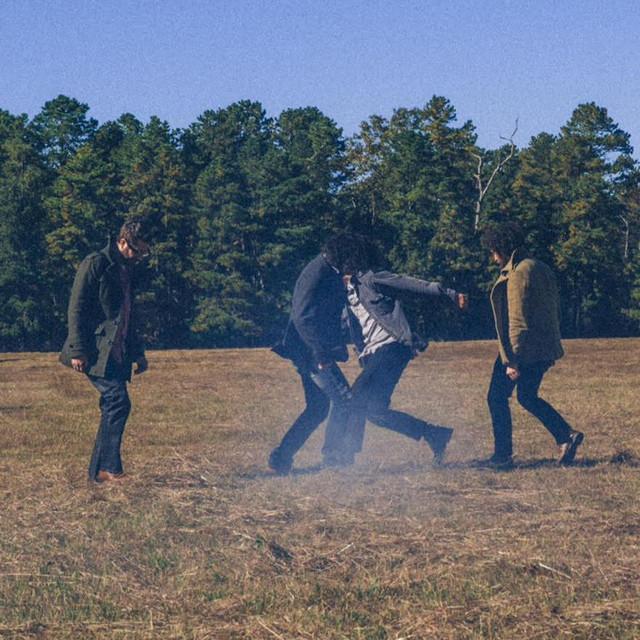
The Bailey Hounds

Rock
Folk Rock
 Viberate Rank: 820307
 Viberate Rank: 820307
 Monthly ListenersFollowers
 Subscribers
 Followers
 Followers
 FansTop Spotify Songs
| Track | 7-Day Streams | |
|---|---|---|
1 | 7 | |
2 | 7 | |
3 | 6 | |
4 | 6 | |
5 | 5 |
Top YouTube VideosMonthly ListenersFeatured in PlaylistsAudience| City | Monthly Listeners | |
|---|---|---|
1 | | 9 |
See full performance history, audience data, playlist activity, rankings, comparisons, and more in Viberate music analytics. Start with a free trial, then continue with a paid plan.
The Bailey Hounds’ Spotify BioThe Bailey Hounds emerged from the Philadelphia music scene in 2011 with their debut album Along the Gallows, a melancholy prowl through Americana landscapes, rife with themes both nostalgic and gothic. Teetering on the border of alt-country and indie-rock, The Bailey Hounds combined elements of traditional folk with raucous blues and occasionally the gloomy ambience of a low-budget horror film. In 2013, they celebrated their second official release, All the Blood in the World, which offered a much grittier and analog approach, more indicative of the band's live performances. Though not so dissimilar from the dusty atmosphere accomplished on their debut, the new collection of songs proved to ebb and flow between upbeat '70s-style folk-rock and dark, brooding ballads.
Over the years, The Bailey Hounds released several covers of popular songs, including Bob Dylan’s “Don’t Think Twice, It’s All Right”, a piano-heavy rendition of Danzig’s “Mother”, and an acoustic take on Pantera’s “The… Great Southern Trendkill”. A live performance of “The Great Southern Trendkill” cover was shared online by Pantera in the fall of 2011, leading the video to be viewed over 150,000 times on YouTube by fans of the heavy-metal giants.
In 2014, The Bailey Hounds worked with producer/engineer/mixer Jonathan Low on two singles, “Blood Red Sun” and “Greenwich”, which further developed their guitar-focused sound and penchant for macabre and sentimental imagery.
Viberate is a music analytics platform built for A&Rs, artist managers, labels, booking agents, marketers, and artists.
It helps music professionals track artist growth, analyze audience data, monitor playlist activity, compare artists, follow song performance, and identify opportunities across the music market.
Public artist pages provide a free preview of selected artist data. Paid plans provide access to deeper analytics, historical data, charts, comparisons, playlist tools, exports, alerts, reports, and additional professional features.
Yes. Public Viberate artist pages provide selected artist analytics and music data for free.
Viberate also offers a 7-day free trial of the full platform. A credit card is required to start the trial. The trial includes access to the complete product so users can test deeper artist analytics, historical views, playlist insights, comparisons, charts, exports, alerts, and reporting features before choosing a paid plan.
Viberate provides artist analytics across streaming, playlists, social media, video, radio airplay, songs, and audience markets.
Users can analyze Spotify performance, Spotify and Apple Music playlists, YouTube activity, TikTok and Instagram growth, radio spins, song performance, audience locations, demographics, rankings, and overall artist momentum.
Artist profiles also connect to music charts, similar artists, and comparison tools, helping users benchmark performance and evaluate artists in context.
Viberate updates key artist and track data daily.
For followed artists and tracks, selected data is refreshed multiple times per day. This helps teams monitor playlist changes, streaming movement, audience growth, releases, and campaign performance with more current data.
Update frequency can vary depending on the metric and data source.
Yes. Viberate lets users compare up to five artists side by side across streaming, social media, audience, and engagement metrics.
Users can compare fanbase growth, audience demographics, locations, Spotify performance, social metrics, and other artist data over selected time periods.
Artist comparison can be used for A&R scouting, benchmarking, booking decisions, campaign planning, and evaluating artists with similar audiences or market positions.