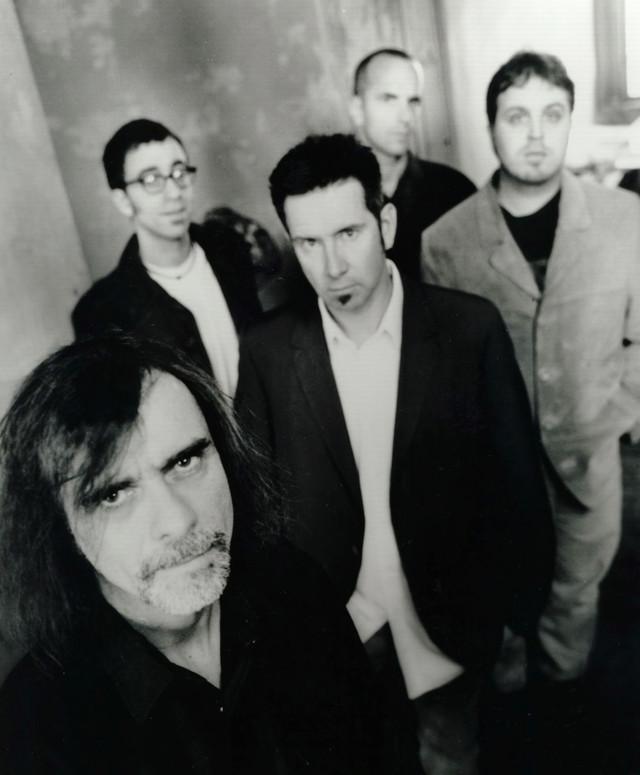
The Backsliders

Blues
Contemporary Blues
Americana/Alt Country
 Viberate Rank: 532986
 Viberate Rank: 532986
 Monthly ListenersFollowers
 Subscribers
 Followers
 Followers
 FansTop Spotify Songs
| Track | 7-Day Streams | |
|---|---|---|
1 | 99 | |
2 | 49 | |
3 | 43 | |
4 | 24 | |
5 | 15 |
Top YouTube VideosMonthly ListenersFeatured in Playlists| Playlist | Followers | |
|---|---|---|
1 | Blues and cafe chill Tim Thompson | 1.13K |
2 | SOUTHERN(Southern Rock, Southern Blues, Country, Country Rock, Country Blues, Alt-Country, Bluesgrass,...) Ezequiel Santos Gómez | 1.03K |
Audience| City | Monthly Listeners | |
|---|---|---|
1 | | 23 |
2 | | 17 |
3 | | 13 |
4 |  | 13 |
5 | | 10 |
See full performance history, audience data, playlist activity, rankings, comparisons, and more in Viberate music analytics. Start with a free trial, then continue with a paid plan.
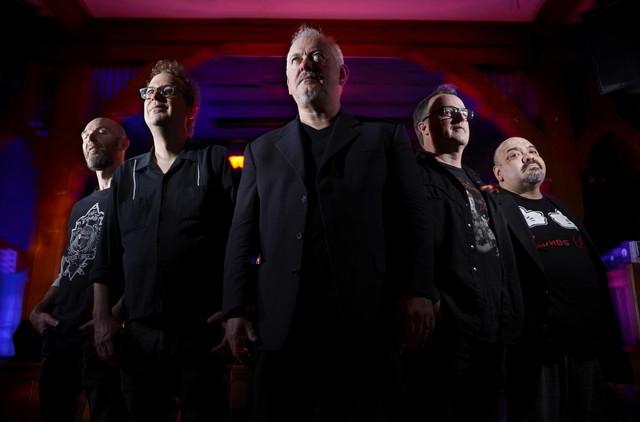
The Backsliders’ Spotify BioThe Backsliders were an alternative-traditional country-rock band from North Carolina made up of guitarist Steve Howell, frontman and acoustic guitarist Chip Robinson, bassman Danny Kurtz, Jeff Dennis on drums, and Brad Rice rounding things out with his guitar. In 1994, inspired by Buck Owens, Webb Pierce, and the honky tonk life, Howell and Robinson put together the Backsliders and started playing clubs in their area. Both Howell and Robinson were working with other acts at the time. Robinson was playing with a rock band and Howell was a member of the Shady Grove Band, a traditional bluegrass outfit that recorded for Flying Fish. Mulberry Moon was the Shady Grove release that included Howell's tune "Mansion in the Sky."
Appearances in North Carolina resulted in a popular following for the band, which was being compared to Gram Parsons, the Blasters, and Los Lobos, all pioneers in American roots music and all products of the wild West Coast. Just as wild, the Backsliders were a direct… contradiction to the overly manufactured sounds coming out of Nashville, where '70s rock acts held more sway than Lefty Frizzell or George Jones. The Backsliders also provided a paradox to the whining, angry "woe is me" style of contemporary rock bands and could more often than not rock the so-called rockers off any stage.
With a positive attitude and extolling the virtues of shuffle and twang, the Backsliders started touring regularly around the Southeast. Each homecoming to the Brewery in their hometown of Raleigh was met with a full house and a satisfied crowd, who took great pleasure in seeing and hearing a band made up of their own homeboys. These live shows eventually resulted in what was to be their first release on Mammoth Records. A six-song EP, From Raleigh, NC displayed all the power and intensity that made the Backsliders such a high-profile band. Their first full-length project on Mammoth was released in January 1997. Throwin' Rocks at the Moon, produced by West Coast patriarch Pete Anderson, was recorded at Mad Dog Studios during the early fall of 1996. Stating that it was the quality of the songwriting that swayed him to take on the Backsliders, Anderson proceeded to pull out all the stops and gleaned every ounce of talent and sweat that the band had to give.
After completing Throwin' Rocks at the Moon, however, interpersonal problems began ripping the Backsliders apart at the seams, and in time Robinson was the lone remaining original member left. He proceeded to record 1999's Southern Lines largely as a solo project, although it still appeared under the Backsliders name. ~ Jana Pendragon, Rovi
Viberate is a music analytics platform built for A&Rs, artist managers, labels, booking agents, marketers, and artists.
It helps music professionals track artist growth, analyze audience data, monitor playlist activity, compare artists, follow song performance, and identify opportunities across the music market.
Public artist pages provide a free preview of selected artist data. Paid plans provide access to deeper analytics, historical data, charts, comparisons, playlist tools, exports, alerts, reports, and additional professional features.
Yes. Public Viberate artist pages provide selected artist analytics and music data for free.
Viberate also offers a 7-day free trial of the full platform. A credit card is required to start the trial. The trial includes access to the complete product so users can test deeper artist analytics, historical views, playlist insights, comparisons, charts, exports, alerts, and reporting features before choosing a paid plan.
Viberate provides artist analytics across streaming, playlists, social media, video, radio airplay, songs, and audience markets.
Users can analyze Spotify performance, Spotify and Apple Music playlists, YouTube activity, TikTok and Instagram growth, radio spins, song performance, audience locations, demographics, rankings, and overall artist momentum.
Artist profiles also connect to music charts, similar artists, and comparison tools, helping users benchmark performance and evaluate artists in context.
Viberate updates key artist and track data daily.
For followed artists and tracks, selected data is refreshed multiple times per day. This helps teams monitor playlist changes, streaming movement, audience growth, releases, and campaign performance with more current data.
Update frequency can vary depending on the metric and data source.
Yes. Viberate lets users compare up to five artists side by side across streaming, social media, audience, and engagement metrics.
Users can compare fanbase growth, audience demographics, locations, Spotify performance, social metrics, and other artist data over selected time periods.
Artist comparison can be used for A&R scouting, benchmarking, booking decisions, campaign planning, and evaluating artists with similar audiences or market positions.