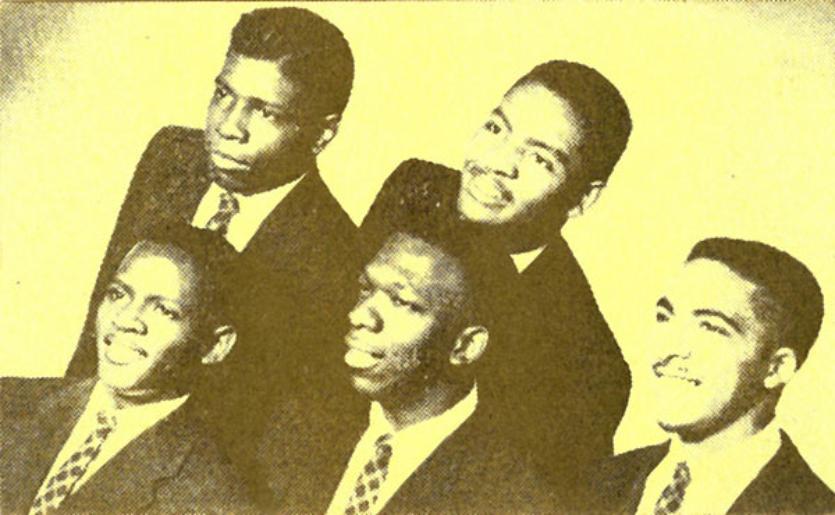
The Avons

Blues
Classic Blues
Soul
 Viberate Rank: 259044
 Viberate Rank: 259044
 Monthly ListenersFollowers
 Subscribers
 Followers
 Followers
 FansTop Spotify Songs
| Track | 7-Day Streams | |
|---|---|---|
1 | 4.25K | |
2 | 393 | |
3 | 117 | |
4 | 90 | |
5 | 65 |
Top YouTube VideosMonthly ListenersFeatured in Playlists| Playlist | Followers | |
|---|---|---|
1 | 1950s Classics ruthleyland84 | 35.25K |
2 |  Essential Classics Essential Classics | 31.39K |
3 |  1950s hits (300) mervynvankuyen | 24.29K |
4 | Oldies But Goldies🎶🙌 Andreas (DJ Riga-cee) Rigazzi | 22.08K |
5 |  NOW 100 Hits Forgotten 60s NOW That’s What I Call Music! | 18.56K |
Audience| City | Monthly Listeners | |
|---|---|---|
1 |  | 355 |
2 |  | 299 |
3 | | 292 |
4 | | 240 |
5 | | 217 |
See full performance history, audience data, playlist activity, rankings, comparisons, and more in Viberate music analytics. Start with a free trial, then continue with a paid plan.
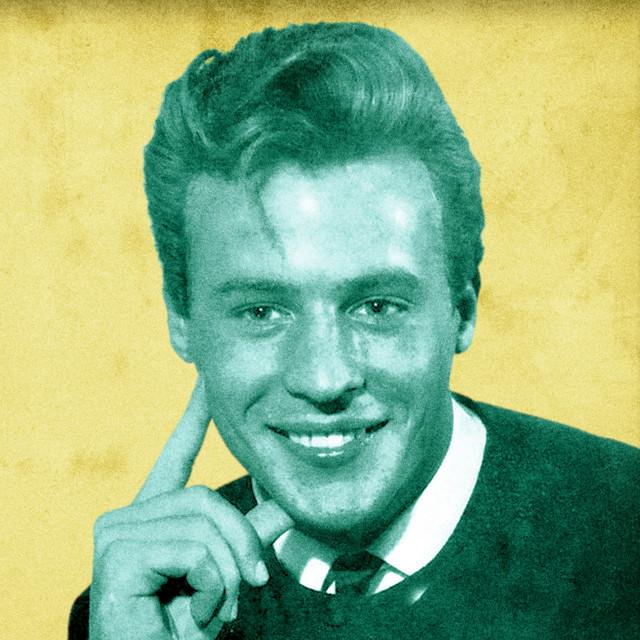
The Avons’ Spotify BioA talented doo wop group from Englewood, NJ, that formed in high school in 1954. Until they caught wind of a Los Angeles-based group with the same name, they were the Robins, and they then renamed themselves the Avons after a river in England. The original lineup consisted of Bob, Bill, and Wendell Lea; Curtis Norris, and Ervin Watson. The quintet woodsheded until confident enough to perform local gigs. By 1955, they were the hottest group in the area. A local businessman became their manager and arranged an audition with Bea Caslon, the owner of Hull Records. Caslon signed them on the spot to her fledging label, where they joined the Heartbeats of "A Thousand Miles Away" and later "Daddy's Home," of Shep & the Limelites fame. Unfortunately, the Avons never achieved the success the Heartbeats did, but managed to carve a spot in doo wop heaven with the recordings "Our Love Will Never Die" (1956), "Baby" (1957), and "You're So Close to Me" (1958). Prior to their second release, ("Baby")… Uncle Sam began snatching Avons for military duty, first drafting Norris (bass), who was replaced by Franklin Cole, who was himself drafted and replaced by George Coleman. Then Sunny Harley replaced drafted baritone Bill Lea. The Avons' final recording, "A Girl to Call My Own" (1962), featured Harley. From 1955 to 1962, Hull released seven singles by them and not one hit or charted. Their changing lineup -- due to Uncle Sam -- didn't help and promo pictures were always out of date. Avid radio listeners who resided outside of New York, New Jersey, Connecticut, or Pennsylvania during 1957 to 1962 missed the Avons entirely since they didn't venture outside those four states -- where their records were played -- to gig. Decades later, via doo wop books, magazines, and CD reissues, the Avons are finally receiving the love and acclaim they sought when young and starry-eyed. ~ Andrew Hamilton, Rovi
Viberate is a music analytics platform built for A&Rs, artist managers, labels, booking agents, marketers, and artists.
It helps music professionals track artist growth, analyze audience data, monitor playlist activity, compare artists, follow song performance, and identify opportunities across the music market.
Public artist pages provide a free preview of selected artist data. Paid plans provide access to deeper analytics, historical data, charts, comparisons, playlist tools, exports, alerts, reports, and additional professional features.
Yes. Public Viberate artist pages provide selected artist analytics and music data for free.
Viberate also offers a 7-day free trial of the full platform. A credit card is required to start the trial. The trial includes access to the complete product so users can test deeper artist analytics, historical views, playlist insights, comparisons, charts, exports, alerts, and reporting features before choosing a paid plan.
Viberate provides artist analytics across streaming, playlists, social media, video, radio airplay, songs, and audience markets.
Users can analyze Spotify performance, Spotify and Apple Music playlists, YouTube activity, TikTok and Instagram growth, radio spins, song performance, audience locations, demographics, rankings, and overall artist momentum.
Artist profiles also connect to music charts, similar artists, and comparison tools, helping users benchmark performance and evaluate artists in context.
Viberate updates key artist and track data daily.
For followed artists and tracks, selected data is refreshed multiple times per day. This helps teams monitor playlist changes, streaming movement, audience growth, releases, and campaign performance with more current data.
Update frequency can vary depending on the metric and data source.
Yes. Viberate lets users compare up to five artists side by side across streaming, social media, audience, and engagement metrics.
Users can compare fanbase growth, audience demographics, locations, Spotify performance, social metrics, and other artist data over selected time periods.
Artist comparison can be used for A&R scouting, benchmarking, booking decisions, campaign planning, and evaluating artists with similar audiences or market positions.