The Aurora Project

Metal
Progressive Metal
Progressive Rock
 Viberate Rank: 373435
 Viberate Rank: 373435
 Monthly ListenersFollowers
 Subscribers
 Followers
 Followers
 FansTop Spotify Songs
| Track | 7-Day Streams | |
|---|---|---|
1 | 63 | |
2 | 42 | |
3 | 40 | |
4 | 39 | |
5 | 32 |
Top YouTube VideosMonthly ListenersFeatured in Playlists| Playlist | Followers | |
|---|---|---|
1 |  Prog Rock Ballads David Grootveld | 2.10K |
2 |  The Sound of Neo-Progressive The Sounds of Spotify | 1.95K |
3 | Metal: Power/Speed/Symphonic/Melodic/Neo-Classical/Prog Parasaurolophus Hadrosauridae | 1.90K |
Audience| City | Monthly Listeners | |
|---|---|---|
1 | | 16 |
2 |  | 7 |
3 | | 6 |
4 |  | 5 |
5 |  | 5 |
See full performance history, audience data, playlist activity, rankings, comparisons, and more in Viberate music analytics. Start with a free trial, then continue with a paid plan.
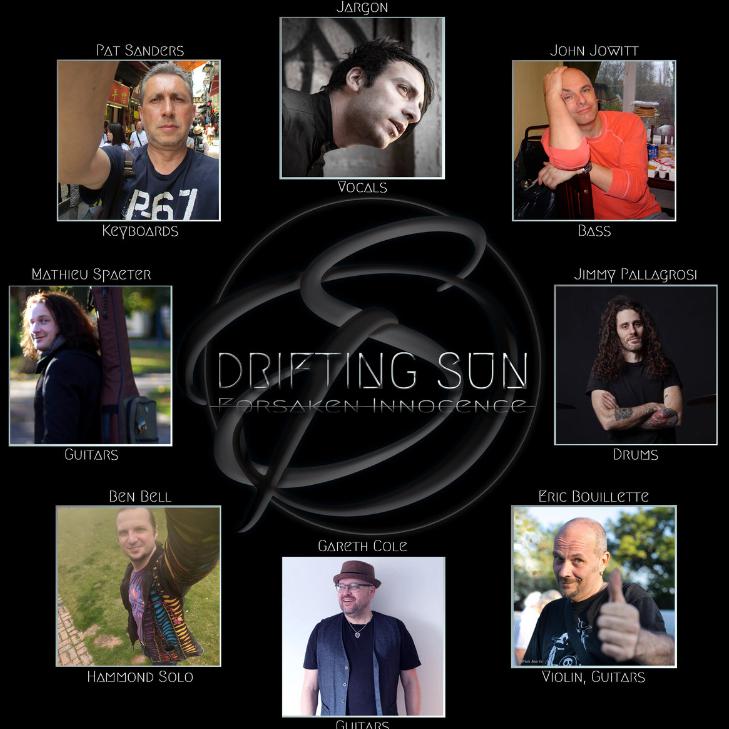
The Aurora Project’s Spotify BioThe Aurora Project is a progressive rock band from Katwijk, Netherlands. Formed in 1998, the band members bonded over their love for Magic: The Gathering and progressive rock and metal. Inspired by bands like Rush and Dream Theater, they create intricate concept albums through extensive jam sessions.
Their debut album, “Unspoken Words” (2005), received critical acclaim. They followed up with “Shadow Border” (2009) and “Selling The Aggression” (2013), which explored societal changes brought by the internet and earned rave reviews.
After a two-year hiatus, The Aurora Project returned with their fourth album, “World of Grey” (2016). The band took a break after the sudden passing of rhythm guitarist and lyricist Marc Vooijs in 2014. Deciding not to replace Marc, they based the new album on his ideas, shifting their sound to a more prog rock style with keyboards and bass filling the void. “World of Grey” delves into themes of control, repression, and the loss of freedom.
The band is excited to… welcome Alex Ouwehand, a cherished friend and stellar musician known for his work with Golden Caves. His talent and energy mark a new chapter for The Aurora Project.
Known for their dynamic live performances, The Aurora Project has played major prog festivals like ProgPower Europe and shared stages with Riverside and Threshold. They continue to push the boundaries of progressive rock.
Viberate is a music analytics platform built for A&Rs, artist managers, labels, booking agents, marketers, and artists.
It helps music professionals track artist growth, analyze audience data, monitor playlist activity, compare artists, follow song performance, and identify opportunities across the music market.
Public artist pages provide a free preview of selected artist data. Paid plans provide access to deeper analytics, historical data, charts, comparisons, playlist tools, exports, alerts, reports, and additional professional features.
Yes. Public Viberate artist pages provide selected artist analytics and music data for free.
Viberate also offers a 7-day free trial of the full platform. A credit card is required to start the trial. The trial includes access to the complete product so users can test deeper artist analytics, historical views, playlist insights, comparisons, charts, exports, alerts, and reporting features before choosing a paid plan.
Viberate provides artist analytics across streaming, playlists, social media, video, radio airplay, songs, and audience markets.
Users can analyze Spotify performance, Spotify and Apple Music playlists, YouTube activity, TikTok and Instagram growth, radio spins, song performance, audience locations, demographics, rankings, and overall artist momentum.
Artist profiles also connect to music charts, similar artists, and comparison tools, helping users benchmark performance and evaluate artists in context.
Viberate updates key artist and track data daily.
For followed artists and tracks, selected data is refreshed multiple times per day. This helps teams monitor playlist changes, streaming movement, audience growth, releases, and campaign performance with more current data.
Update frequency can vary depending on the metric and data source.
Yes. Viberate lets users compare up to five artists side by side across streaming, social media, audience, and engagement metrics.
Users can compare fanbase growth, audience demographics, locations, Spotify performance, social metrics, and other artist data over selected time periods.
Artist comparison can be used for A&R scouting, benchmarking, booking decisions, campaign planning, and evaluating artists with similar audiences or market positions.