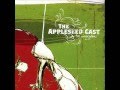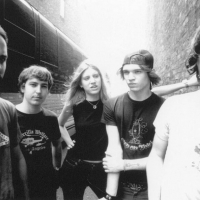
The Appleseed Cast

Rock
Indie Rock
Post Rock
 Viberate Rank: 102773
 Viberate Rank: 102773
 Monthly ListenersFollowers
 Subscribers
 Followers
 Followers
 FansTop Spotify Songs
| Track | 7-Day Streams | |
|---|---|---|
1 | 5.08K | |
2 | 4.50K | |
3 | 2.07K | |
4 | 2.07K | |
5 | 1.99K |
Top YouTube VideosMonthly ListenersFeatured in Playlists| Playlist | Followers | |
|---|---|---|
1 |  The Sound of Everything The Sounds of Spotify | 53.82K |
2 |  Numero Group 26 Numero Group | 32.96K |
3 |  Numero Group Classics Numero Group | 18.96K |
4 |  Numero Group Guide to Slowcore Numero Group | 17.02K |
5 |  Elder Millennial Tour Official Playlist ILIZA | 13.43K |
Audience| City | Monthly Listeners | |
|---|---|---|
1 | | 796 |
2 | | 749 |
3 | | 606 |
4 | | 594 |
5 | | 405 |
See full performance history, audience data, playlist activity, rankings, comparisons, and more in Viberate music analytics. Start with a free trial, then continue with a paid plan.
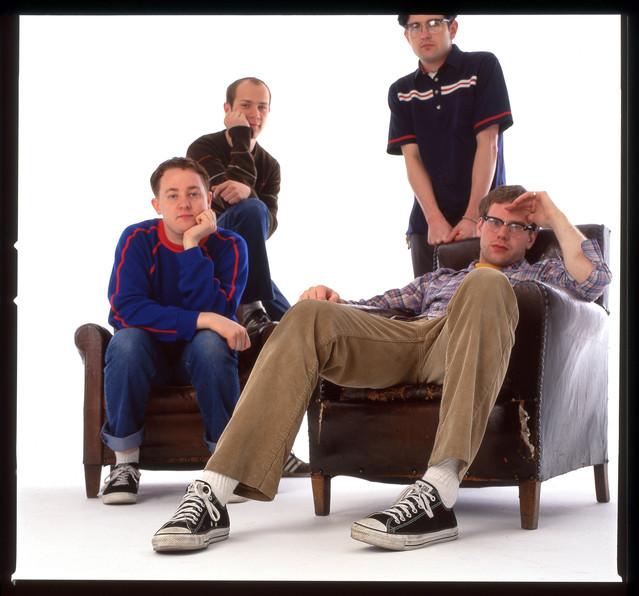
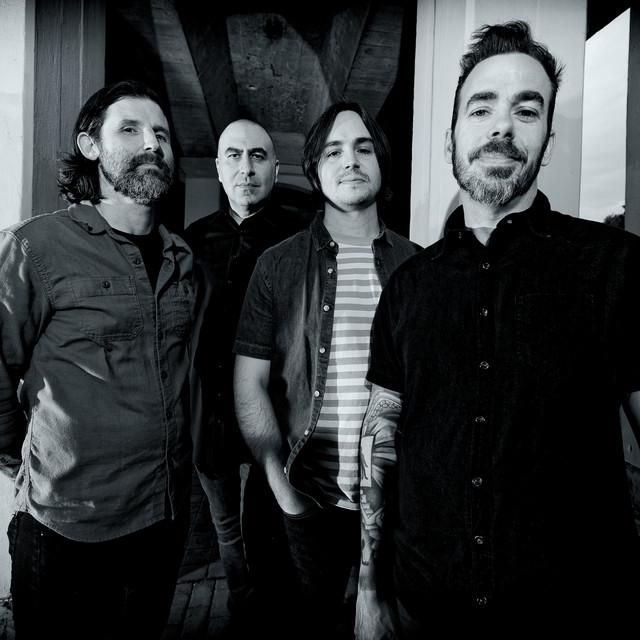
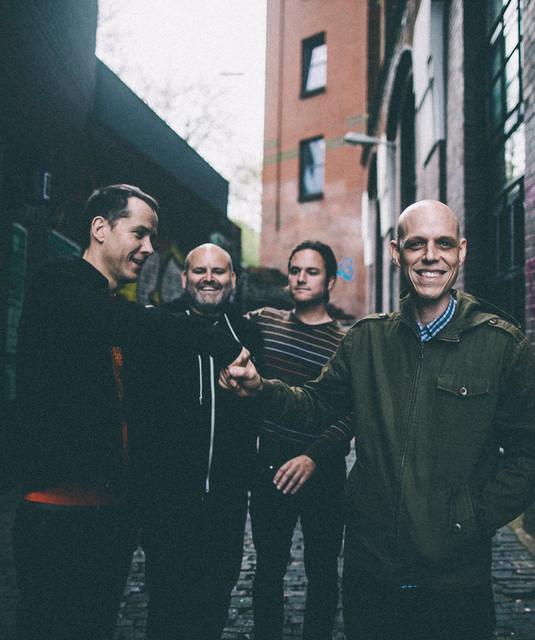
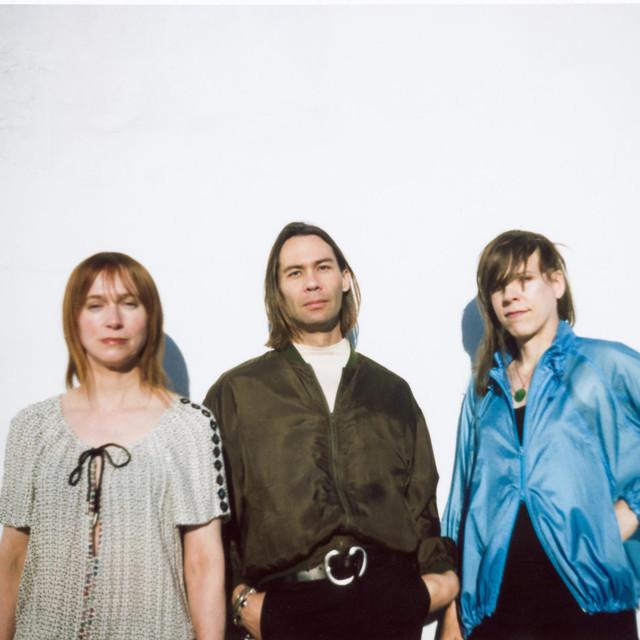
The Appleseed Cast’s Spotify BioForming in the late '90s on the crest of a wave of activity in Midwestern emo, Appleseed Cast built their songs on the same chiming guitars, propulsive rhythms, and reaching, impassioned vocal performances that defined the more emotional sects of post-hardcore bands at the time. Over the next two decades, the band's voice developed into something more experimental and patient, beginning with 2001's two-part release Low Level Owl, Vol. 1 & Vol. 2. With these releases, and those that followed, the band embraced textural elements and uncommon arrangements, reshaping their sound into a hybrid of emo rock and detailed production twists, and setting the scene for albums like 2013's Illumination Ritual.
Appleseed Collective formed in 1997 under the name December's Tragic Drive, after a lyric from a Sunny Day Real Estate song. This early incarnation of the band was comprised of singer/guitarist Christopher Crisci, guitarist Aaron Pillar, bassist Jason Wickersheim, and drummer Louie Ruiz. In… 1998, the band rebranded themselves and moved to Lawrence, Kansas, signing to the Deep Elm label and releasing the full-length The End of the Ring Wars later that same year. In 1999 Appleseed Cast (now with new drummer Josh Baruth) released a new single, "Skatter Ik Ignito," as well as a split EP with labelmates Planes Mistaken for Stars and Race Car Riot; Mare Vitalis followed in early 2000, heavily showcasing Baruth's complicated beats and the band's overall dense, atmospheric sound. Despite the hints of a new direction, the album couldn't have prepared fans for the two Low Level Owl albums released in 2001. Complex, delicate, and highly experimental, these two records took a cue from Radiohead's Kid A and sent the band careening into space rock and electronica with only traces of emo poking through. The records weren't nearly as commercially successful, but their overall bravery showed that the band was prepared to make stylistic leaps.
The next year, Lost Songs brought four unreleased tracks from 1999 and five new songs together onto one album. Overdubbing new elements over the older songs, Appleseed Cast blended the tense emo of their early work and the broad experimentation of their new material. The band returned in 2003 with Two Conversations (Tiger Style), which continued to explore atmospheric texture in the framework of traditional rock & roll. An extensive tour followed the LP's release. The band next went on a brief hiatus following Tiger Style's demise, but soon returned with renewed energy and a new label. Peregrine appeared in March 2006 on Militia Group before the band hit the road with dates on both coasts. By this time, the group consisted of founding members Crisci and Pillar, along with bassist Marcus Young and drummer Nathan Richardson (ex-the Casket Lottery). Sagarmatha arrived in 2009, and was followed up by some lineup changes as John Momberg joined the band while Young, who wanted to focus on school, left the band and was replaced by Nate Whitman. Later that year, they signed on with Graveface Records, and in 2011 released their first recording for the label, the EP Middle States. More lineup changes followed before the band released their next album, with Taylor Holenbeck coming onboard as guitarist and Nathan Wilder taking over on drums. With this lineup the group released their sixth album, Illumination Ritual, in spring of 2013. The band toured sporadically, but six years would pass before the release of their next album, 2019's more mature The Fleeting Light of Impermanence. ~ Jason Ankeny & Bradley Torreano, Rovi
Viberate is a music analytics platform built for A&Rs, artist managers, labels, booking agents, marketers, and artists.
It helps music professionals track artist growth, analyze audience data, monitor playlist activity, compare artists, follow song performance, and identify opportunities across the music market.
Public artist pages provide a free preview of selected artist data. Paid plans provide access to deeper analytics, historical data, charts, comparisons, playlist tools, exports, alerts, reports, and additional professional features.
Yes. Public Viberate artist pages provide selected artist analytics and music data for free.
Viberate also offers a 7-day free trial of the full platform. A credit card is required to start the trial. The trial includes access to the complete product so users can test deeper artist analytics, historical views, playlist insights, comparisons, charts, exports, alerts, and reporting features before choosing a paid plan.
Viberate provides artist analytics across streaming, playlists, social media, video, radio airplay, songs, and audience markets.
Users can analyze Spotify performance, Spotify and Apple Music playlists, YouTube activity, TikTok and Instagram growth, radio spins, song performance, audience locations, demographics, rankings, and overall artist momentum.
Artist profiles also connect to music charts, similar artists, and comparison tools, helping users benchmark performance and evaluate artists in context.
Viberate updates key artist and track data daily.
For followed artists and tracks, selected data is refreshed multiple times per day. This helps teams monitor playlist changes, streaming movement, audience growth, releases, and campaign performance with more current data.
Update frequency can vary depending on the metric and data source.
Yes. Viberate lets users compare up to five artists side by side across streaming, social media, audience, and engagement metrics.
Users can compare fanbase growth, audience demographics, locations, Spotify performance, social metrics, and other artist data over selected time periods.
Artist comparison can be used for A&R scouting, benchmarking, booking decisions, campaign planning, and evaluating artists with similar audiences or market positions.