The A-Bones

Rock
Garage Rock
Punk Rock
Rockabilly
 Viberate Rank: 372105
 Viberate Rank: 372105
 Monthly ListenersFollowers
 Subscribers
 Followers
 Followers
 FansTop Spotify Songs
| Track | 7-Day Streams | |
|---|---|---|
1 | 130 | |
2 | 60 | |
3 | 59 | |
4 | 47 | |
5 | 43 |
Top YouTube VideosMonthly ListenersFeatured in Playlists| Playlist | Followers | |
|---|---|---|
1 | rockabilly hot rod music Joshua Fuller | 20.92K |
2 |  El Sótano de Radio 3 Groovyfamily | 9.84K |
3 | Aquarium Drunkard Radio J.B. Spaulding | 6.26K |
4 |  Garage, Surf, Punk & Rock and Roll Die Windrose | 3.55K |
5 |  The Sound of Punk Blues The Sounds of Spotify | 3.52K |
Audience| City | Monthly Listeners | |
|---|---|---|
1 | | 41 |
2 |  | 31 |
3 |  | 29 |
4 |  | 21 |
5 | | 21 |
See full performance history, audience data, playlist activity, rankings, comparisons, and more in Viberate music analytics. Start with a free trial, then continue with a paid plan.
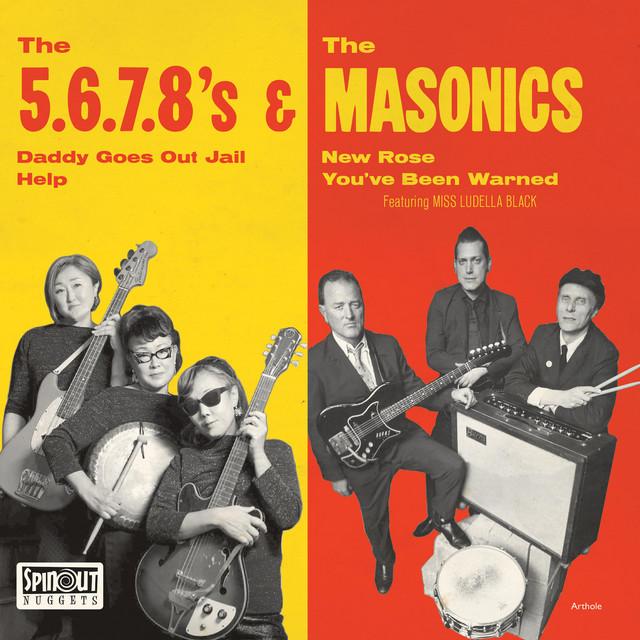
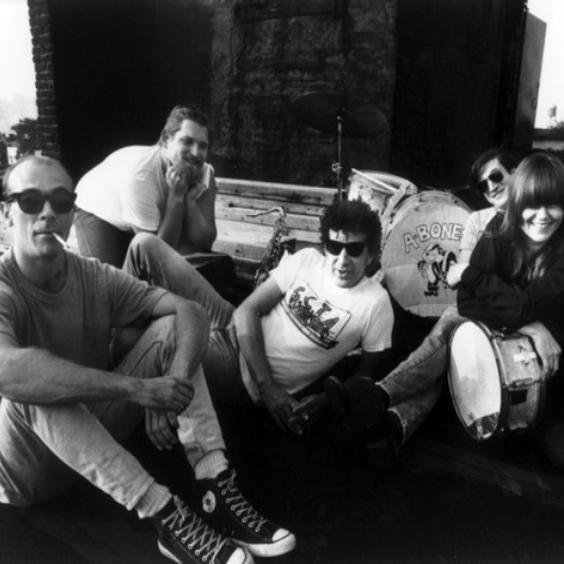
The A-Bones’ Spotify BioBashing out garage rock years before it was fashionable and rockabilly-influenced sounds as if the Stray Cats had never happened, the A-Bones were a Brooklyn-based five-piece that approached the sloppy greatness of rock & roll's past with a beer-addled enthusiasm that had nothing to do with "oldies" or "nostalgia" and everything to do with the primal impulse to play music that's fast, loud, and wild. Named for a tune by the Trashmen, the A-Bones were led by vocalist Billy Miller and drummer Miriam Linna, who previously bashed it out in the Zantees and were also the brains behind wild-assed pop culture journal Kicks and label Norton Records, both of which reflected the same frantic attitude as their band. (Filling out the lineup were Bruce Bennett on guitar, Mike Lewis and later Marcus "The Carcass" Natale on bass, and Lars Espensen on sax.) The A-Bones kicked off their career in 1984, and two years later they released their first record, a 10" EP called Tempo Tantrum, with the album… Free Beer for Life! following in 1988. They lent their services as a backing band to such unsung rock & roll legends as Rudy Grayzell, Hasil Adkins, Johnny Powers, Ronnie Dawson, Roy Loney, and Cordell Jackson, released a fistful of singles on various hyper-cool labels, and released five full-length LPs for Norton before finally calling it a day in 1994. The group played occasional reunion shows over the next decade, though, and in 2004 recorded a new tune (with backing vocals from the 5.6.7.8's) for a 20th anniversary retrospective, Daddy Wants a Cold Beer and Other Million Sellers. In 2009, the A-Bones reunited again and released the full-length studio effort Not Now!~ Mark Deming
Viberate is a music analytics platform built for A&Rs, artist managers, labels, booking agents, marketers, and artists.
It helps music professionals track artist growth, analyze audience data, monitor playlist activity, compare artists, follow song performance, and identify opportunities across the music market.
Public artist pages provide a free preview of selected artist data. Paid plans provide access to deeper analytics, historical data, charts, comparisons, playlist tools, exports, alerts, reports, and additional professional features.
Yes. Public Viberate artist pages provide selected artist analytics and music data for free.
Viberate also offers a 7-day free trial of the full platform. A credit card is required to start the trial. The trial includes access to the complete product so users can test deeper artist analytics, historical views, playlist insights, comparisons, charts, exports, alerts, and reporting features before choosing a paid plan.
Viberate provides artist analytics across streaming, playlists, social media, video, radio airplay, songs, and audience markets.
Users can analyze Spotify performance, Spotify and Apple Music playlists, YouTube activity, TikTok and Instagram growth, radio spins, song performance, audience locations, demographics, rankings, and overall artist momentum.
Artist profiles also connect to music charts, similar artists, and comparison tools, helping users benchmark performance and evaluate artists in context.
Viberate updates key artist and track data daily.
For followed artists and tracks, selected data is refreshed multiple times per day. This helps teams monitor playlist changes, streaming movement, audience growth, releases, and campaign performance with more current data.
Update frequency can vary depending on the metric and data source.
Yes. Viberate lets users compare up to five artists side by side across streaming, social media, audience, and engagement metrics.
Users can compare fanbase growth, audience demographics, locations, Spotify performance, social metrics, and other artist data over selected time periods.
Artist comparison can be used for A&R scouting, benchmarking, booking decisions, campaign planning, and evaluating artists with similar audiences or market positions.