The 411

R&B
Contemporary R&B
Mainstream Pop
 Viberate Rank: 132945
 Viberate Rank: 132945
 Monthly ListenersFollowers
 Subscribers
 Followers
 Followers
 FansTop Spotify Songs
| Track | 7-Day Streams | |
|---|---|---|
1 | 27.63K | |
2 | 5.29K | |
3 | 1.21K | |
4 | 1.02K | |
5 | 986 |
Top YouTube Videos| Video | 7-Day Views | |
|---|---|---|
1 | 4.11K | |
2 | 1.36K | |
3 | 243 | |
4 | 218 | |
5 | 171 |
Monthly ListenersFeatured in Playlists| Playlist | Followers | |
|---|---|---|
1 |  Black Britain: Soul Sisters Spotify | 158.35K |
2 |  SONGS THAT GET WHITE PEOPLE TURNT Samuel Ilias | 145.44K |
3 |  DANCE 90s 00s🕺🕺EURODANCE 90S 00s 🔥🔥 90s 00s Best Dance Songs Diestro Music | 55.84K |
4 |  2000sPopHits 2000sPopHits | 38.20K |
5 | Old Skool R&B Anthems Jonny Dodds | 28.73K |
Audience| City | Monthly Listeners | |
|---|---|---|
1 | | 4.26K |
2 | | 2.06K |
3 | | 1.15K |
4 |  | 739 |
5 | | 719 |
See full performance history, audience data, playlist activity, rankings, comparisons, and more in Viberate music analytics. Start with a free trial, then continue with a paid plan.
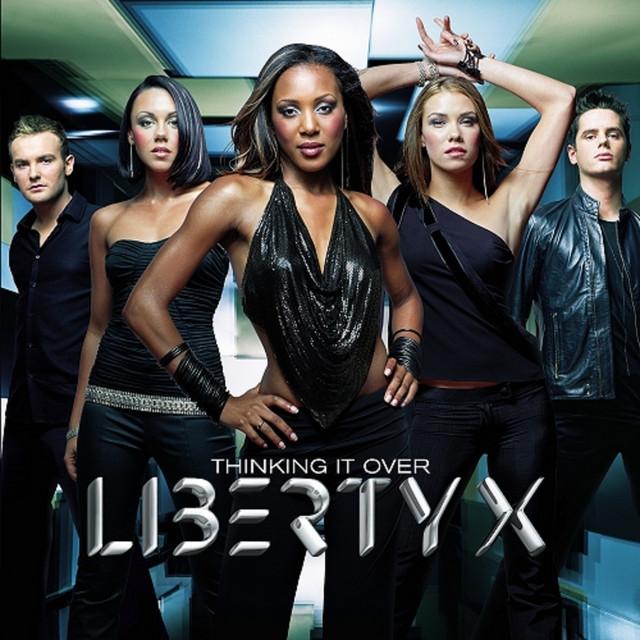
The 411’s Spotify BioThe 411 are a UK R&B trio comprising of vocalists Carolyn Owlett (b. England), Tisha Martin (b. Jamaica), and Tanya Boniface (b. Surrey, England). The 411 can trace its formation back to when Martin and Boniface met while singing backing vocals for UK soul vocalist Lemar. They were encouraged to assemble their own group by a representative of Sony Records and, with the addition of Owlett and Tanya Furlonger, 411 was formed at the start of 2003. The trio’s name was chosen from rap slang and out of respect to Mary J. Blige’s urban classic, What’s The 411? The group wrote the majority of the material on their debut album themselves, with US star Ashanti contributing one track, ‘No Excuses’. Rapper Ghostface Killah guested on the UK Top 5 hit ‘On My Knees’, which managed to introduce a storyline about domestic violence into the upper regions of the charts in the summer of 2004. The follow-up, ‘Dumb’, was also a UK Top 5 hit and preceded the release of Between The Sheets in November.
Viberate is a music analytics platform built for A&Rs, artist managers, labels, booking agents, marketers, and artists.
It helps music professionals track artist growth, analyze audience data, monitor playlist activity, compare artists, follow song performance, and identify opportunities across the music market.
Public artist pages provide a free preview of selected artist data. Paid plans provide access to deeper analytics, historical data, charts, comparisons, playlist tools, exports, alerts, reports, and additional professional features.
Yes. Public Viberate artist pages provide selected artist analytics and music data for free.
Viberate also offers a 7-day free trial of the full platform. A credit card is required to start the trial. The trial includes access to the complete product so users can test deeper artist analytics, historical views, playlist insights, comparisons, charts, exports, alerts, and reporting features before choosing a paid plan.
Viberate provides artist analytics across streaming, playlists, social media, video, radio airplay, songs, and audience markets.
Users can analyze Spotify performance, Spotify and Apple Music playlists, YouTube activity, TikTok and Instagram growth, radio spins, song performance, audience locations, demographics, rankings, and overall artist momentum.
Artist profiles also connect to music charts, similar artists, and comparison tools, helping users benchmark performance and evaluate artists in context.
Viberate updates key artist and track data daily.
For followed artists and tracks, selected data is refreshed multiple times per day. This helps teams monitor playlist changes, streaming movement, audience growth, releases, and campaign performance with more current data.
Update frequency can vary depending on the metric and data source.
Yes. Viberate lets users compare up to five artists side by side across streaming, social media, audience, and engagement metrics.
Users can compare fanbase growth, audience demographics, locations, Spotify performance, social metrics, and other artist data over selected time periods.
Artist comparison can be used for A&R scouting, benchmarking, booking decisions, campaign planning, and evaluating artists with similar audiences or market positions.