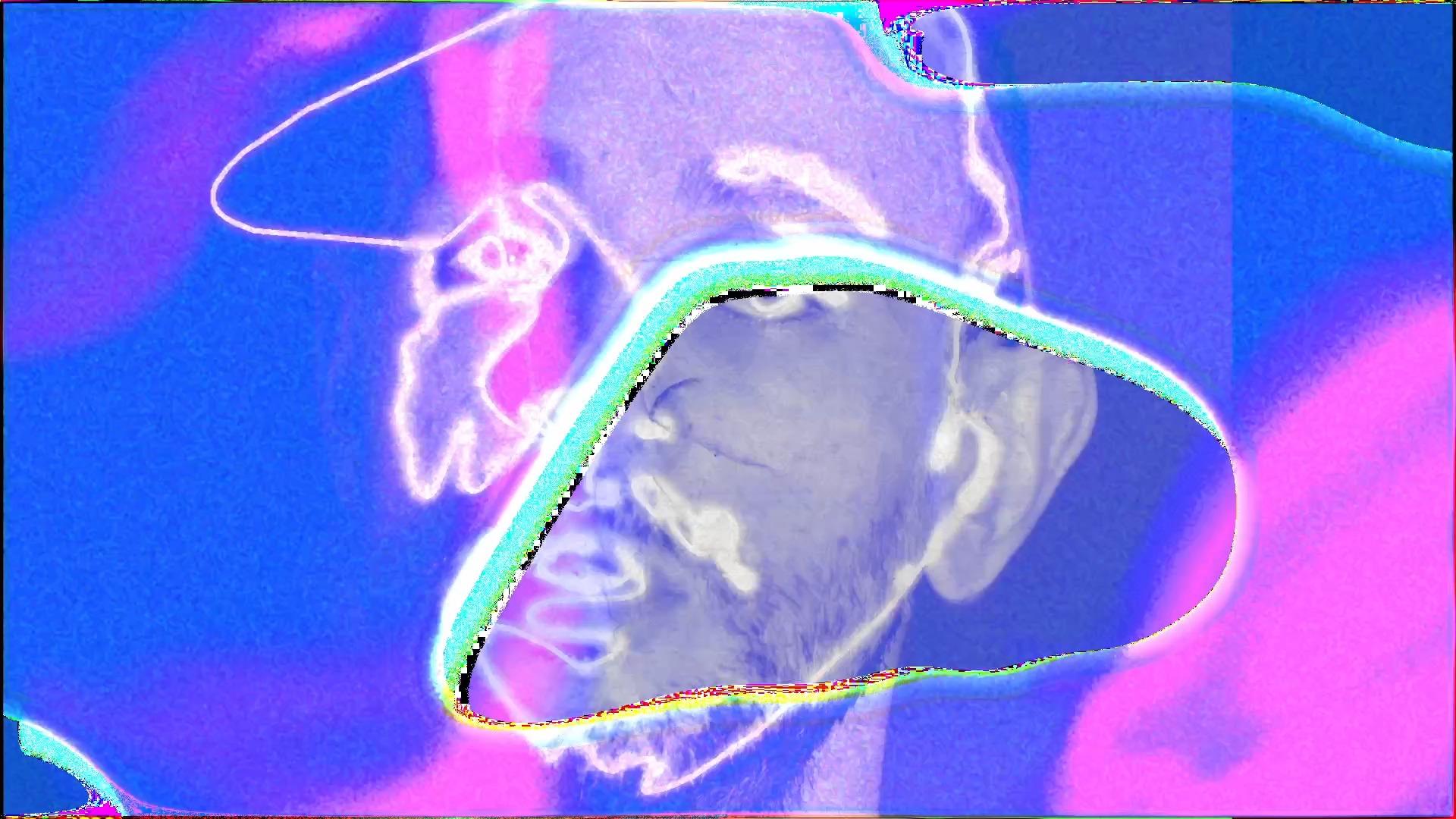
Thaddeus Lowe

Rock
Indie Rock
Progressive Rock
 Viberate Rank: 722721
 Viberate Rank: 722721
 Monthly ListenersFollowers
 Subscribers
 Followers
 Followers
 FansTop Spotify Songs
| Track | 7-Day Streams | |
|---|---|---|
1 | 6 | |
2 | 1 | |
3 | 1 | |
4 | 1 |
Top YouTube VideosMonthly ListenersFeatured in Playlists| Playlist | Followers | |
|---|---|---|
1 |  Indie Temptations Select. | 8.87K |
2 |  Mellow Indie Music Steven Kool | 6.05K |
Audience| City | Monthly Listeners | |
|---|---|---|
1 | | 3 |
See full performance history, audience data, playlist activity, rankings, comparisons, and more in Viberate music analytics. Start with a free trial, then continue with a paid plan.
Thaddeus Lowe’s Spotify Bio"There’s a dream that comes to me often – I’m walking alone through a desert, under a bowl of stars or, occasionally, in the direct light of a midday sun. My body is restless. Everything is silent but something inside me is spilling over. It wasn’t until I found Thaddeus Lowe, the stage name for musician Nadeem Gibran Salaam, and his special brand of psychedelic Sufi rock that I had a waking anchor for this dream.
Lowe’s new song, “They Came from Stardust,” is frenetic. It swirls in the air just above us, always moving in one direction and then the other. It’s a song about redemption, Lowe told Kajal over email, and movement.
“Much of the homage to ancient travelers seeking a new home can fold over my journey towards self love like origami,” Lowe said. “There’s a line in the song ‘there are doors to perception that only love can open’ — the same people who sought lands, whether mountains or stars know this to be true, and the woman who greets me each morning has opened that door for me.”…
It’s clear that Lowe is wrestling with high concepts of self-understanding. His voice twists like a whirling dervish and mysticism underlines all his lyrics. In addition to providing the vocals to his record, he played every instrument we hear and mixed and produced the song himself.
“They Came from Stardust”, which took Lowe six years to compose, comes ahead of his upcoming album Return To Nature out now."—Kajal Magazine
Viberate is a music analytics platform built for A&Rs, artist managers, labels, booking agents, marketers, and artists.
It helps music professionals track artist growth, analyze audience data, monitor playlist activity, compare artists, follow song performance, and identify opportunities across the music market.
Public artist pages provide a free preview of selected artist data. Paid plans provide access to deeper analytics, historical data, charts, comparisons, playlist tools, exports, alerts, reports, and additional professional features.
Yes. Public Viberate artist pages provide selected artist analytics and music data for free.
Viberate also offers a 7-day free trial of the full platform. A credit card is required to start the trial. The trial includes access to the complete product so users can test deeper artist analytics, historical views, playlist insights, comparisons, charts, exports, alerts, and reporting features before choosing a paid plan.
Viberate provides artist analytics across streaming, playlists, social media, video, radio airplay, songs, and audience markets.
Users can analyze Spotify performance, Spotify and Apple Music playlists, YouTube activity, TikTok and Instagram growth, radio spins, song performance, audience locations, demographics, rankings, and overall artist momentum.
Artist profiles also connect to music charts, similar artists, and comparison tools, helping users benchmark performance and evaluate artists in context.
Viberate updates key artist and track data daily.
For followed artists and tracks, selected data is refreshed multiple times per day. This helps teams monitor playlist changes, streaming movement, audience growth, releases, and campaign performance with more current data.
Update frequency can vary depending on the metric and data source.
Yes. Viberate lets users compare up to five artists side by side across streaming, social media, audience, and engagement metrics.
Users can compare fanbase growth, audience demographics, locations, Spotify performance, social metrics, and other artist data over selected time periods.
Artist comparison can be used for A&R scouting, benchmarking, booking decisions, campaign planning, and evaluating artists with similar audiences or market positions.