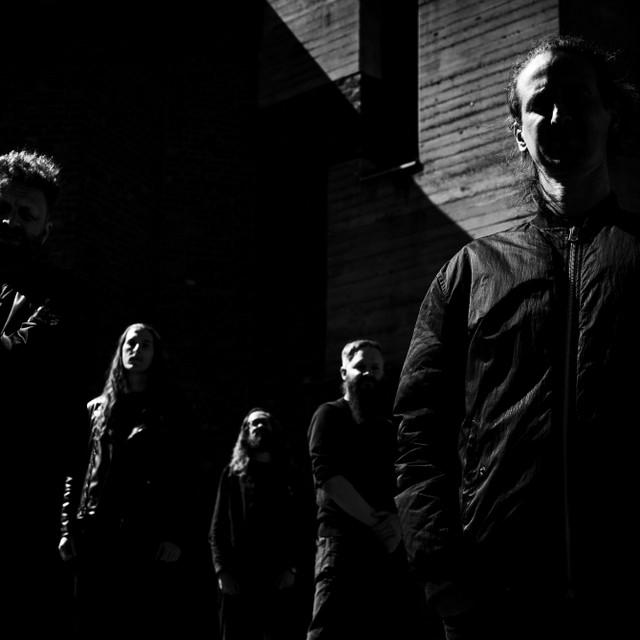
Terzij de Horde

Metal
Black Metal
 Viberate Rank: 328507
 Viberate Rank: 328507
 Monthly ListenersFollowers
 Subscribers
 Followers
 Followers
 FansTop Spotify SongsTop YouTube Videos
| Video | 7-Day Views | |
|---|---|---|
1 | 11 | |
2 | 4 | |
3 | 2 | |
4 | 1 | |
5 | 1 |
Monthly ListenersFeatured in Playlists| Playlist | Followers | |
|---|---|---|
1 |  Lowlands 2026 | Festileaks.com Festileaks | 19.07K |
2 |  The Sound of Blackgaze The Sounds of Spotify | 16.30K |
3 |  Lowlands Festival 2026 [official] Lowlands Festival [official] | 4.18K |
4 |  Destructive Albums emrek | 3.42K |
5 |  SUMMER BREEZE 2023 Sunny | 3.10K |
Audience| City | Monthly Listeners | |
|---|---|---|
1 | | 29 |
2 | | 15 |
3 | | 11 |
4 | | 8 |
5 | | 7 |
See full performance history, audience data, playlist activity, rankings, comparisons, and more in Viberate music analytics. Start with a free trial, then continue with a paid plan.
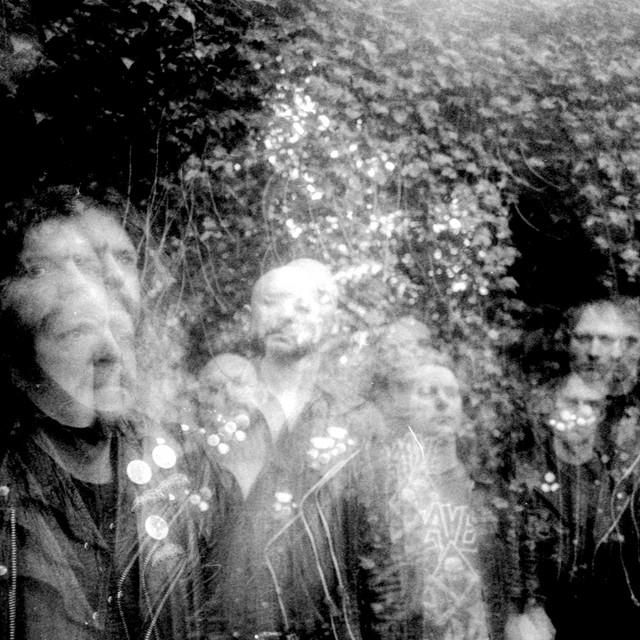
Terzij de Horde’s Spotify BioTerzij de Horde stands as a beacon of boundary-pushing black metal and hardcore intensity. Since their inception in 2009 the band has consistently built their reputation on a combination of complex, furious and dynamic songs and raging, emotional live shows.
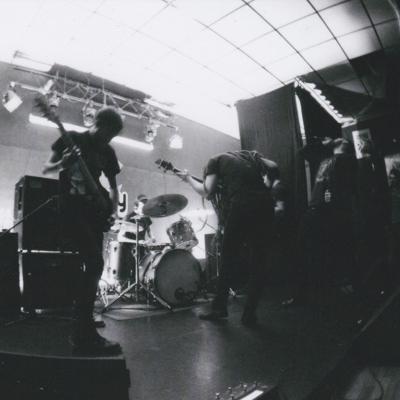
Rather than keeping audiences at a cold distance, Terzij de Horde forcefully pulls them close. The band’s music is unquestionably black metal - but their energy and attitude is closer to grind, hardcore punk and the extreme edges of screamo. Their performances are marked by an intensity that is both palpable and infectious, inviting the audience into a shared space of catharsis and reflection.
Musically, Terzij de Horde combines complex black metal compositions with doom metal and screamo elements, to create music that is a raging fire. The band draws energy and inspiration from the most progressive black metal (anything from Yellow Eyes and Krallice to Emperor), but also from the height of hardcore punk intensity (Integrity, Frail… Body, Birds in Row) and wide-ranging influences such as Neurosis and Ulcerate.
Terzij de Horde is primarily about raw visceral energy and a whirlwind of contrasting emotions - from grief to rage to hope. Eschewing the simplistic romanticism of mainstream black metal, Terzij de Horde instead takes a stand in the chaotic heart of society, and challenges listeners to engage with its work on multiple levels.
Viberate is a music analytics platform built for A&Rs, artist managers, labels, booking agents, marketers, and artists.
It helps music professionals track artist growth, analyze audience data, monitor playlist activity, compare artists, follow song performance, and identify opportunities across the music market.
Public artist pages provide a free preview of selected artist data. Paid plans provide access to deeper analytics, historical data, charts, comparisons, playlist tools, exports, alerts, reports, and additional professional features.
Yes. Public Viberate artist pages provide selected artist analytics and music data for free.
Viberate also offers a 7-day free trial of the full platform. A credit card is required to start the trial. The trial includes access to the complete product so users can test deeper artist analytics, historical views, playlist insights, comparisons, charts, exports, alerts, and reporting features before choosing a paid plan.
Viberate provides artist analytics across streaming, playlists, social media, video, radio airplay, songs, and audience markets.
Users can analyze Spotify performance, Spotify and Apple Music playlists, YouTube activity, TikTok and Instagram growth, radio spins, song performance, audience locations, demographics, rankings, and overall artist momentum.
Artist profiles also connect to music charts, similar artists, and comparison tools, helping users benchmark performance and evaluate artists in context.
Viberate updates key artist and track data daily.
For followed artists and tracks, selected data is refreshed multiple times per day. This helps teams monitor playlist changes, streaming movement, audience growth, releases, and campaign performance with more current data.
Update frequency can vary depending on the metric and data source.
Yes. Viberate lets users compare up to five artists side by side across streaming, social media, audience, and engagement metrics.
Users can compare fanbase growth, audience demographics, locations, Spotify performance, social metrics, and other artist data over selected time periods.
Artist comparison can be used for A&R scouting, benchmarking, booking decisions, campaign planning, and evaluating artists with similar audiences or market positions.