Terrorizer

Metal
Grindcore
Death Metal
 Viberate Rank: 58956
 Viberate Rank: 58956
 Monthly ListenersFollowers
 Subscribers
 Followers
 Followers
 FansTop Spotify Songs
| Track | 7-Day Streams | |
|---|---|---|
1 | 15.23K | |
2 | 5.70K | |
3 | 3.57K | |
4 | 3.52K | |
5 | 3.20K |
Top YouTube VideosMonthly ListenersFeatured in Playlists| Playlist | Followers | |
|---|---|---|
1 |  Death Metal Classics @MansenSankari | 127.47K |
2 | The actual good metal playlist Sleekful | 107.15K |
3 |  DEATH METAL TOP 100 True Metal Playlists | 36.92K |
4 |  FENRIZ METAL Gylve | 32.35K |
5 |  GRINDCORE TeoDaCasteo | 16.57K |
Audience| City | Monthly Listeners | |
|---|---|---|
1 |  | 1.32K |
2 |  | 921 |
3 |  | 872 |
4 | | 792 |
5 |  | 699 |
See full performance history, audience data, playlist activity, rankings, comparisons, and more in Viberate music analytics. Start with a free trial, then continue with a paid plan.
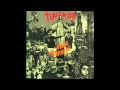
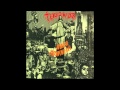
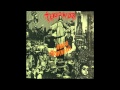
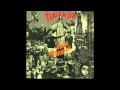
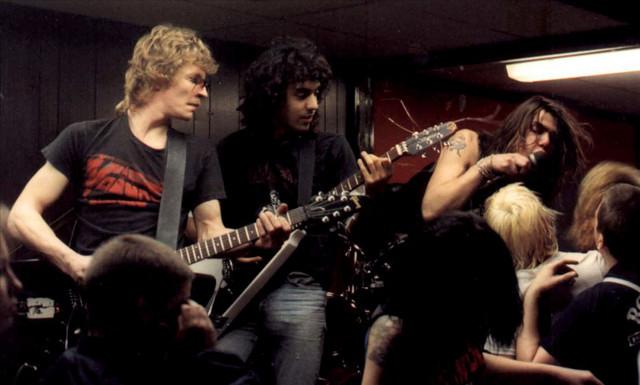
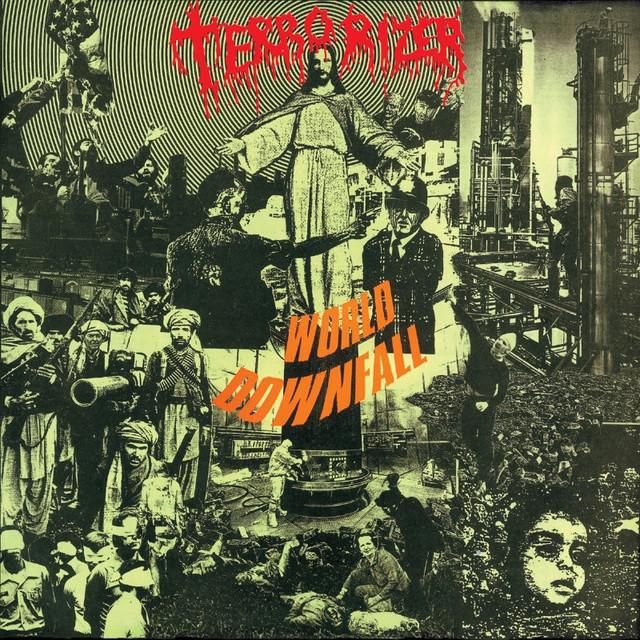
Terrorizer’s Spotify BioThe beginnings of grindcore are often pinpointed to Napalm Death's 1987 masterpiece Scum and the early work of Carcass, but the 1989 release World Downfall by the overlooked outfit Terrorizer is often talked about in revered tones by extreme metallists worldwide. Featuring members David Vincent (bass, vocals), Pete Sandoval (drums), Jesse Pintado (guitar), and Oscar Garcia (vocals), Terrorizer's lone album has spawned countless imitators over the years, due to its groundbreaking merger of both speed and aggression. Produced by renowned thrash/death metal producer Scott Burns, all you have to do is check out some of the song titles to know what type of a hellacious musical ride that'll soon be in store -- "Fear of Napalm," "Strategic Warheads," "Enslaved by Propaganda," "Dead Shall Rise," and the like. After breaking up, all of Terrorizer's members appeared in other outfits -- Vincent with the Genitorturers, Sandoval with Morbid Angel, Pintado with Napalm Death, and Garcia with Nausea.… ~ Greg Prato, Rovi
Viberate is a music analytics platform built for A&Rs, artist managers, labels, booking agents, marketers, and artists.
It helps music professionals track artist growth, analyze audience data, monitor playlist activity, compare artists, follow song performance, and identify opportunities across the music market.
Public artist pages provide a free preview of selected artist data. Paid plans provide access to deeper analytics, historical data, charts, comparisons, playlist tools, exports, alerts, reports, and additional professional features.
Yes. Public Viberate artist pages provide selected artist analytics and music data for free.
Viberate also offers a 7-day free trial of the full platform. A credit card is required to start the trial. The trial includes access to the complete product so users can test deeper artist analytics, historical views, playlist insights, comparisons, charts, exports, alerts, and reporting features before choosing a paid plan.
Viberate provides artist analytics across streaming, playlists, social media, video, radio airplay, songs, and audience markets.
Users can analyze Spotify performance, Spotify and Apple Music playlists, YouTube activity, TikTok and Instagram growth, radio spins, song performance, audience locations, demographics, rankings, and overall artist momentum.
Artist profiles also connect to music charts, similar artists, and comparison tools, helping users benchmark performance and evaluate artists in context.
Viberate updates key artist and track data daily.
For followed artists and tracks, selected data is refreshed multiple times per day. This helps teams monitor playlist changes, streaming movement, audience growth, releases, and campaign performance with more current data.
Update frequency can vary depending on the metric and data source.
Yes. Viberate lets users compare up to five artists side by side across streaming, social media, audience, and engagement metrics.
Users can compare fanbase growth, audience demographics, locations, Spotify performance, social metrics, and other artist data over selected time periods.
Artist comparison can be used for A&R scouting, benchmarking, booking decisions, campaign planning, and evaluating artists with similar audiences or market positions.