Terranova

Electronic
Tech House
Downtempo
 Viberate Rank: 85331
 Viberate Rank: 85331
 Monthly ListenersFollowers
 Subscribers
 Followers
 Followers
 FansTop Spotify Songs
| Track | 7-Day Streams | |
|---|---|---|
1 | 34.94K | |
2 | 17.93K | |
3 | 12.77K | |
4 | 10.45K | |
5 | 7.98K |
Top YouTube VideosMonthly ListenersFeatured in Playlists| Playlist | Followers | |
|---|---|---|
1 |  audífonos con cable Spotify | 414.99K |
2 |  Armada Chill Armada Music | 67.69K |
3 |  Cosmicat's track IDs Spotify | 67.17K |
4 |  The Best of Trip Hop kymberleykennedy | 60.79K |
5 |  [ TRIP HOP ] JM Jourdan | 57.77K |
Audience| City | Monthly Listeners | |
|---|---|---|
1 | | 4.92K |
2 |  | 3.82K |
3 |  | 2.89K |
4 |  | 2.77K |
5 |  | 2.42K |
See full performance history, audience data, playlist activity, rankings, comparisons, and more in Viberate music analytics. Start with a free trial, then continue with a paid plan.
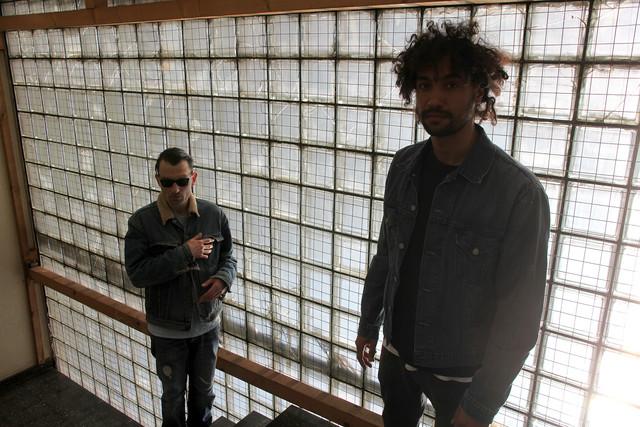
Terranova’s Spotify BioGerman electronic collective Terranova made their name during the mid-'90s as eclectic producers of trip-hop and downtempo breaks. Over the years, their sound gradually became more energetic and club-based, ranging from new wave-inspired electro to hypnotic tech-house. The latter direction found the group a home with revered German techno label Kompakt.
Terranova could arguably have started back in the '80s, the instant founding member Fetisch (Dietrich Bergmann) heard the heavy beats of American hip-hop strut through his homeland. An inspired move to New York City happened shortly thereafter, leading Fetisch to numerous DJ appearances and an early bond with the Stereo MC's, but it was only when he returned home and met up with Marco Meister (a classically trained pianist) and Kaos (a graffiti artist) to eventually release a handful of 12" under the professional wrestling-friendly moniker of Turntable Terranova that the production trio was truly born. The group shortened its name to… Terranova in 1997, debuting the abbreviated moniker with "Tokyo Tower," a collaboration with legendary guitarist Manuel Göttsching of Ash Ra Tempel.
Terranova's anti-provincial beat experimentation nimbly entered dance culture with their lasting, much-respected DJ Kicks installment, released in 1998, while endless comparisons to Kruder & Dorfmeister or Tricky were lavished about. What really seemed to mark Terranova as a unique rhythm in trip-hop, however, was 1999's Close the Door, a surprisingly original debut full-length put out by Copasetik Recordings with collaborations by Einstürzende Neubauten's Alexander Hacke, Tricky, San Francisco's Rasco, and -- coming full circle -- Cath Coffey of the Stereo MC's. In 2002, the Berlin trio emerged with the eclectic Hitchhiking Non-Stop with No Particular Destination, with B-Sides & Remix Sessions appearing the same year. Peace Is Tough, the group's slightly more aggressive third album, was released by !K7 in 2003.
Terranova moved to the more mainstream Ministry of Sound label for 2004's electro-charged Digital Tenderness. Following this, the group's members devoted time to side projects. Bergmann and Sebastian Müller formed Lotterboys with Paris the Black Fu of Detroit Grand Pubahs, releasing Animalia on Eskimo Recordings in 2006. Following this, Bergmann and André Boadu collaborated with Princess Superstar as Lottergirls, producing Right On in 2007. Bergmann and Boadu then released a few singles as Fetisch & Me on International Deejay Gigolo and Souvenir.
In 2011, Terranova signed with Kompakt, issuing two singles that year, which set the stage for the 2012 full-length Hotel Amour. The release featured guest vocals by Billie Ray Martin, Khan, and WhoMadeWho's Tomas Høffding, and was far more uptempo than Terranova's earlier work. Numerous singles and remix EPs followed, and Restless, Terranova's second Kompakt full-length, appeared in 2015. A selection of the group's tracks was used as the soundtrack to the film Wild; Kompakt digitally released the soundtrack in 2016. During the same year, Terranova collaborated with the Stereo MC's on the Connected in Dub EP (which did not contain dub remakes of the latter group's hit "Connected"). In 2017, Terranova and Reinhard Voigt released Speicher 94, an installment of Kompakt's long-running series of singles and collaborations. ~ Dean Carlson & Paul Simpson, Rovi
Viberate is a music analytics platform built for A&Rs, artist managers, labels, booking agents, marketers, and artists.
It helps music professionals track artist growth, analyze audience data, monitor playlist activity, compare artists, follow song performance, and identify opportunities across the music market.
Public artist pages provide a free preview of selected artist data. Paid plans provide access to deeper analytics, historical data, charts, comparisons, playlist tools, exports, alerts, reports, and additional professional features.
Yes. Public Viberate artist pages provide selected artist analytics and music data for free.
Viberate also offers a 7-day free trial of the full platform. A credit card is required to start the trial. The trial includes access to the complete product so users can test deeper artist analytics, historical views, playlist insights, comparisons, charts, exports, alerts, and reporting features before choosing a paid plan.
Viberate provides artist analytics across streaming, playlists, social media, video, radio airplay, songs, and audience markets.
Users can analyze Spotify performance, Spotify and Apple Music playlists, YouTube activity, TikTok and Instagram growth, radio spins, song performance, audience locations, demographics, rankings, and overall artist momentum.
Artist profiles also connect to music charts, similar artists, and comparison tools, helping users benchmark performance and evaluate artists in context.
Viberate updates key artist and track data daily.
For followed artists and tracks, selected data is refreshed multiple times per day. This helps teams monitor playlist changes, streaming movement, audience growth, releases, and campaign performance with more current data.
Update frequency can vary depending on the metric and data source.
Yes. Viberate lets users compare up to five artists side by side across streaming, social media, audience, and engagement metrics.
Users can compare fanbase growth, audience demographics, locations, Spotify performance, social metrics, and other artist data over selected time periods.
Artist comparison can be used for A&R scouting, benchmarking, booking decisions, campaign planning, and evaluating artists with similar audiences or market positions.