Tennis

Pop
Indie Pop
 Viberate Rank: 29429
 Viberate Rank: 29429
 Monthly ListenersFollowers
 Subscribers
 Followers
 Followers
 FansTop Spotify Songs
| Track | 7-Day Streams | |
|---|---|---|
1 | 58.32K | |
2 | 44.04K | |
3 | 38.17K | |
4 | 23.62K | |
5 | 23.46K |
Top YouTube VideosMonthly ListenersFeatured in Playlists| Playlist | Followers | |
|---|---|---|
1 | Hipster International Sean Parker | 469.81K |
2 |  Dreampop Spotify | 322.56K |
3 |  Culpa Nuestra Official Playlist Spotify | 161.30K |
4 |  my fyp lately ✨ TikTok | 128.53K |
5 |  Witchy Songs 🔮🌙 Sarah | 97.71K |
Audience| City | Monthly Listeners | |
|---|---|---|
1 | | 14.92K |
2 | | 12.22K |
3 | | 10.72K |
4 | | 8.93K |
5 |  | 7.40K |
See full performance history, audience data, playlist activity, rankings, comparisons, and more in Viberate music analytics. Start with a free trial, then continue with a paid plan.
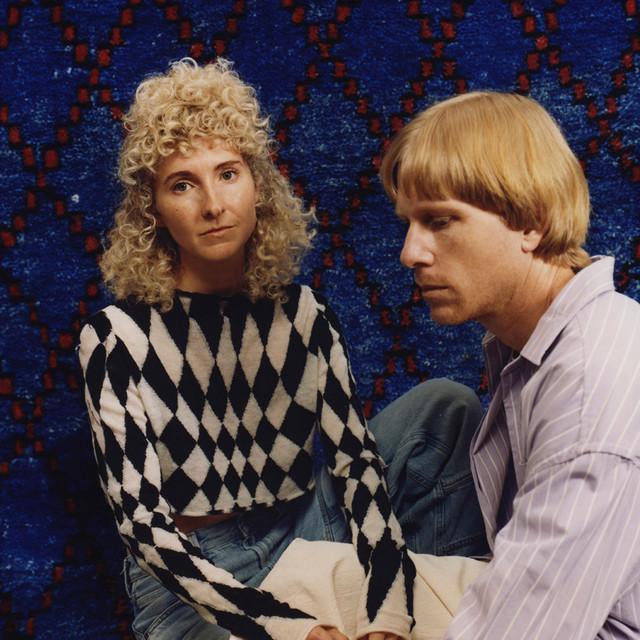
Tennis’ Spotify BioThe wife-and-husband indie pop duo Tennis pair swooning 1950s pop melancholy with smooth-and-easy '70s soft rock in a beguiling, calming fashion that matches the sailing trips that provide them with inspiration. They formed on a months-long excursion and do most of their songwriting while bobbing on the seas. Patrick Riley helms the guitars and keys, Alaina Moore handles vocals and keys, and they often produce their own records in burnished, mid-fi tones. The band's 2010 debut album, Cape Dory, laid out their sonic template meticulously and they stuck to it for the decade that followed, with occasional tweaks like the more muscular sound of the Patrick Carney-produced Young & Old from 2012, the more sophisticated song structures of 2020's Swimmer, and the radio-friendly sound of 2023's Pollen.
Moore and Riley met while students in Colorado, and after graduating college they bought a sailboat and spent seven months sailing along the Eastern Seaboard. Post-adventure, they moved back to… Colorado, and after getting settled they began recording songs that had a modern lo-fi feel but a sweet '50s pop heart. The tracks were inspired by their trip and the discussions they would have about music while on board their boat (the Swift Ranger). Tennis' first single, "South Carolina," was released in the summer of 2010 on Fire Talk Records, to be quickly followed by their second single, "Baltimore," for the Underwater Peoples label. The rest of the year was spent playing shows (including a Daytrotter session in September) and recording their first album. Cape Dory was released in January 2011 by Fat Possum. The band toured tirelessly that year in support of Cape Dory, playing shows across the U.S. as well as jaunts through Europe and Russia.
Following their seemingly endless tour schedule, Tennis quickly regrouped and began work on their second full-length. The album Young & Old was written and recorded in a relatively short three-month span. Produced by Black Keys member Patrick Carney and featuring drums by new bandmember James Barone, the record was released by Fat Possum in February 2012. The group soon switched labels, signing with Mumford & Sons member Ben Lovett's Communion Music before releasing the Small Sound EP on the label in late 2013. The trio returned with their third album, Ritual in Repeat, in the autumn of 2014. More accessible and diverse than previous efforts, the record featured songs produced by Richard Swift, the Black Keys' Patrick Carney, and Spoon's Jim Eno.
Soon after the album's release, Barone left Tennis, and Riley and Moore began working on another album. Finding themselves blocked creatively, they set sail on another journey by sea, traveling from San Diego south past the Baja coast to the Sea of Cortez, where they docked and worked on music for four months. Once back home, they decided to start their own record label, Mutually Detrimental, and in late 2016 released two songs from their upcoming fourth album. The duo handled production chores themselves this time out and were joined on many tracks by their tour drummer, Steve Voss of the band Tetherball. Yours Conditionally was released in early 2017 as the group set out for a long North American tour. They found time to record more songs, too, and issued the We Can Die Happy EP in November.
Tennis spent a year touring behind the album and EP, then took to the seas -- specifically the Sea of Cortez once again -- to begin writing another batch of songs. Once back in their Denver studio, they finished them off and added a wider range of instrumentation, unique time signatures, and more storytelling in the lyrics. All the instruments were played by Moore and Riley, save some strings provided by Josh Zubot and occasional live drums from Voss, who also served as assistant engineer. They also brought in renowned mixer Claudius Mittendorfer to handle that demanding task. The result was their group's fifth record, Swimmer, which was released on Valentine's Day 2020. Unfortunately, the band was forced to cancel their planned tour due to the COVID-19 pandemic. The following year, they released a song, "Borrowed Time," written especially for an episode of Rick and Morty that aired in September 2021. They were able to tour North America in the latter stages of 2021 with Molly Burch, then played a handful of shows in 2022 with Belle and Sebastian. In between live dates, Moore and Riley took a four-month sailing trip during which they wrote the songs for their 2023 album Pollen. Working as a duo with the occasional drumming by Steve Voss, they set out to make a more radio-friendly album that dealt with bigger, more specific emotions. ~ Tim Sendra, Rovi
Viberate is a music analytics platform built for A&Rs, artist managers, labels, booking agents, marketers, and artists.
It helps music professionals track artist growth, analyze audience data, monitor playlist activity, compare artists, follow song performance, and identify opportunities across the music market.
Public artist pages provide a free preview of selected artist data. Paid plans provide access to deeper analytics, historical data, charts, comparisons, playlist tools, exports, alerts, reports, and additional professional features.
Yes. Public Viberate artist pages provide selected artist analytics and music data for free.
Viberate also offers a 7-day free trial of the full platform. A credit card is required to start the trial. The trial includes access to the complete product so users can test deeper artist analytics, historical views, playlist insights, comparisons, charts, exports, alerts, and reporting features before choosing a paid plan.
Viberate provides artist analytics across streaming, playlists, social media, video, radio airplay, songs, and audience markets.
Users can analyze Spotify performance, Spotify and Apple Music playlists, YouTube activity, TikTok and Instagram growth, radio spins, song performance, audience locations, demographics, rankings, and overall artist momentum.
Artist profiles also connect to music charts, similar artists, and comparison tools, helping users benchmark performance and evaluate artists in context.
Viberate updates key artist and track data daily.
For followed artists and tracks, selected data is refreshed multiple times per day. This helps teams monitor playlist changes, streaming movement, audience growth, releases, and campaign performance with more current data.
Update frequency can vary depending on the metric and data source.
Yes. Viberate lets users compare up to five artists side by side across streaming, social media, audience, and engagement metrics.
Users can compare fanbase growth, audience demographics, locations, Spotify performance, social metrics, and other artist data over selected time periods.
Artist comparison can be used for A&R scouting, benchmarking, booking decisions, campaign planning, and evaluating artists with similar audiences or market positions.