Ten Million Lights

Rock
Alternative Rock
Shoegaze
 Viberate Rank: 547780
 Viberate Rank: 547780
 Monthly ListenersFollowers
 Subscribers
 Followers
 Followers
 FansTop Spotify Songs
| Track | 7-Day Streams | |
|---|---|---|
1 | 40 | |
2 | 38 | |
3 | 25 | |
4 | 24 | |
5 | 24 |
Top YouTube Videos| Video | 7-Day Views | |
|---|---|---|
1 | 2 | |
2 | 1 |
Monthly ListenersFeatured in Playlists| Playlist | Followers | |
|---|---|---|
1 | Lee Moore | 16.02K |
2 | Jazz Fusion, Progressive Rock, & Jam Bands Curator Seedpicker | 7.16K |
3 |  obscure 90s-2010s shoegaze pdawg | 6.55K |
4 |  The Shoegazer Radio tuff-ghost | 2.42K |
5 |  DKFM shoegaze radio owmybrain | 1.43K |
Audience| City | Monthly Listeners | |
|---|---|---|
1 | | 10 |
2 | | 3 |
3 | | 3 |
See full performance history, audience data, playlist activity, rankings, comparisons, and more in Viberate music analytics. Start with a free trial, then continue with a paid plan.
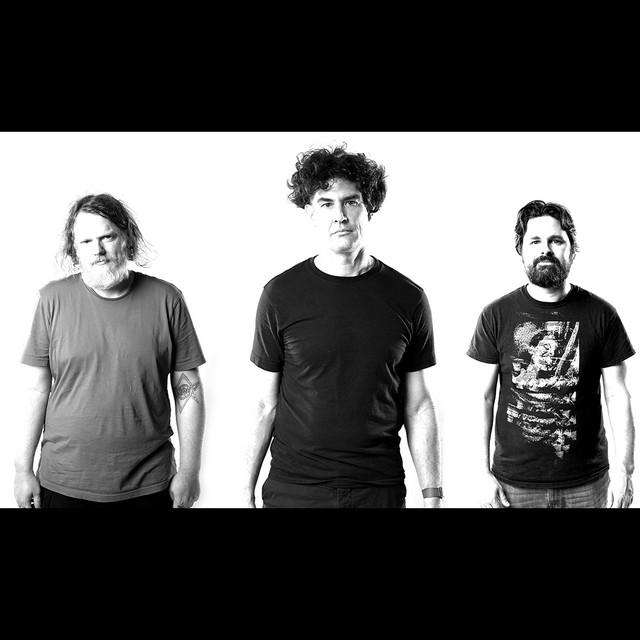
Ten Million Lights’ Spotify BioTen Million Lights have emerged as a sonic force in the Cascadia shoegaze scene, creating a captivating sound experience that sits at the apex of beauty and noise. The Portland Mercury calls it “noisy dream-pop and psych-tinged shoegaze,“ while The Big Takeover lauds, ”A highly-developed post-punk maelstrom.” The group crafts epic psychedelic soundscapes transporting you through fuzzed-up guitars, hypnotic rhythms, and blissed-out vocals. Their love of beautiful melodies and wistful harmonies evokes a sense of nostalgia and catharsis. The Portland, OR quartet, made up of Ryan Carroll (vocals), Eric Block (guitars), Russ Ellis (bass), and Paul Hardie (drums), have a unique chemistry fueled by their shared love of motorcycles, guitars, and building things … like their practice space, personalized recording equipment, DIY light show, and a short run of limited-edition guitar pedals that accompanied their most recent release Into Nothing (LP, 2023). Ryan and Eric have been performing… together since 2003. The duo launched Ten Million Lights in 2010 after the implosion of their band Saturna following a West Coast tour with Bob Mould. Three LPs and a slew of EPs later, Ten Million Lights are thundering along, heavier and louder than ever. Their dynamic live performances are invigorating and energetic, capturing the essence of shoegaze while pushing its boundaries and offering listeners an escape into a world of sonic bliss and emotional depth.
Viberate is a music analytics platform built for A&Rs, artist managers, labels, booking agents, marketers, and artists.
It helps music professionals track artist growth, analyze audience data, monitor playlist activity, compare artists, follow song performance, and identify opportunities across the music market.
Public artist pages provide a free preview of selected artist data. Paid plans provide access to deeper analytics, historical data, charts, comparisons, playlist tools, exports, alerts, reports, and additional professional features.
Yes. Public Viberate artist pages provide selected artist analytics and music data for free.
Viberate also offers a 7-day free trial of the full platform. A credit card is required to start the trial. The trial includes access to the complete product so users can test deeper artist analytics, historical views, playlist insights, comparisons, charts, exports, alerts, and reporting features before choosing a paid plan.
Viberate provides artist analytics across streaming, playlists, social media, video, radio airplay, songs, and audience markets.
Users can analyze Spotify performance, Spotify and Apple Music playlists, YouTube activity, TikTok and Instagram growth, radio spins, song performance, audience locations, demographics, rankings, and overall artist momentum.
Artist profiles also connect to music charts, similar artists, and comparison tools, helping users benchmark performance and evaluate artists in context.
Viberate updates key artist and track data daily.
For followed artists and tracks, selected data is refreshed multiple times per day. This helps teams monitor playlist changes, streaming movement, audience growth, releases, and campaign performance with more current data.
Update frequency can vary depending on the metric and data source.
Yes. Viberate lets users compare up to five artists side by side across streaming, social media, audience, and engagement metrics.
Users can compare fanbase growth, audience demographics, locations, Spotify performance, social metrics, and other artist data over selected time periods.
Artist comparison can be used for A&R scouting, benchmarking, booking decisions, campaign planning, and evaluating artists with similar audiences or market positions.