Ten Kens

Rock
Indie Rock
Noise Rock
Punk Rock
 Viberate Rank: 605279
 Viberate Rank: 605279
 Monthly ListenersFollowers
 Subscribers
 Followers
 Followers
 FansTop Spotify Songs
| Track | 7-Day Streams | |
|---|---|---|
1 | 24 | |
2 | 23 | |
3 | 13 | |
4 | 11 | |
5 | 9 |
Top YouTube VideosMonthly ListenersFeatured in Playlists| Playlist | Followers | |
|---|---|---|
1 |  The Sound of Deep Gothic Post-Punk The Sounds of Spotify | 1.01K |
Audience| City | Monthly Listeners | |
|---|---|---|
1 |  | 6 |
2 | | 5 |
3 |  | 4 |
4 |  | 4 |
5 |  | 3 |
See full performance history, audience data, playlist activity, rankings, comparisons, and more in Viberate music analytics. Start with a free trial, then continue with a paid plan.
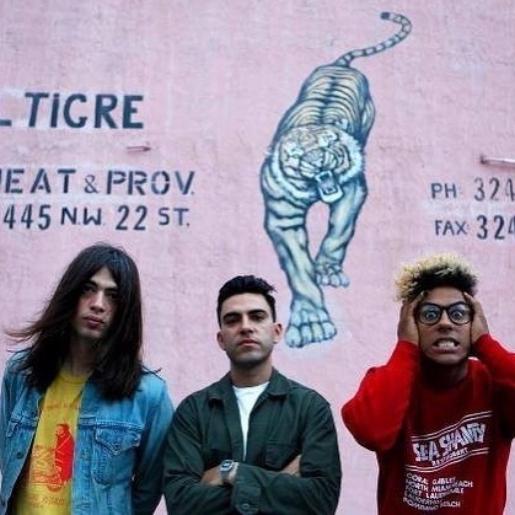
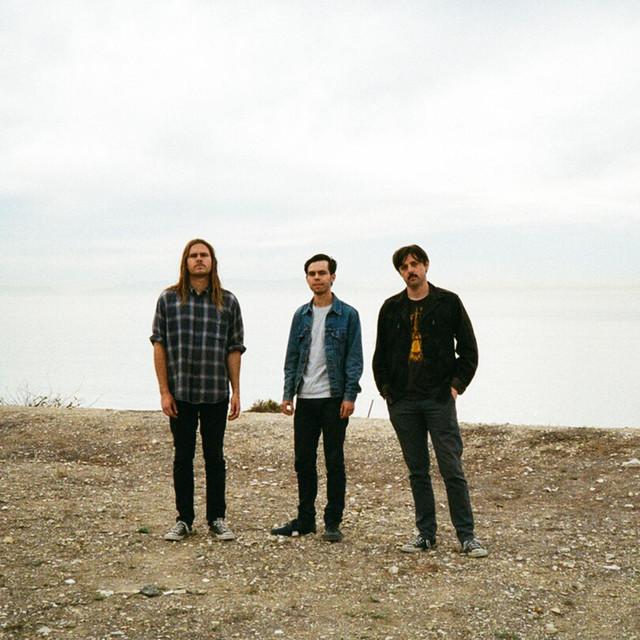
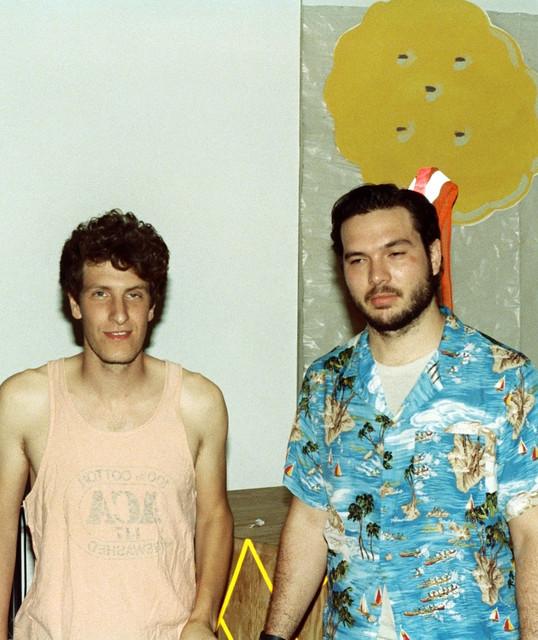
Ten Kens’ Spotify BioHaving met at art school in 2003, Dan Workman and Dean Tzenos soon realized they had a musical kinship that simply had to be explored. With Tzenos on guitar and Workman providing unnervingly angelic vocals that can turn to a scream in an instant, the pair practiced with various drummers before breaking away and renting a townhouse in their hometown of Toronto with the goal of recording an album under the name Ten Kens. A year later, the duo emerged with a demo that caught the ear of FatCat Records, who snapped them up amidst a flurry of label interest. Fleshing out the lineup with Lee Stringle on bass, and finally settling for a drummer in Ryan Roantree, Ten Kens were set to transform their early recordings into what would be their debut, self-titled album.
Recorded in Montreal and produced by Colin Stewart (Black Mountain, Pretty Girls Make Graves) in June 2007 and released in September 2008, Ten Kens drew inspiration sonically from the likes of Nirvana and At the Drive-In, while often… rumbling along at a tempo and with an attitude akin to contemporaries Black Rebel Motorcycle Club and the Black Angels. Originally schooled as a jazz drummer, Ryan Roantree's style never allowed the music to become stale, while Tzenos' delivered guitar riffs shimmered and crunched in equal measure. Meanwhile, Workman's vocals -- drenched in distorted effects -- breathed life into often cavernous soundscapes, such as the rolling first half of "Refined," which eventually twists and builds into a vicious finale.
Having supported the likes of A Place to Bury Strangers and Sian Alice Group in America and across Europe, Ten Kens' preparations for a second album hit turbulence as Dean Tzenos left the band. Fortunately, a determined Dan Workman was not going to let the project stall, bringing in Brett Paulin on guitar, while John Sullivan completed the new line-up, replacing Lee Stringle on bass. The result was For Posterity; a more accomplished, fierce, and direct listen than Ten Kens, it was evident that there was already an impressive musical understanding between Workman and Paulin. Recalling Ten Kens' fledgling recording processes, the band locked themselves away with -- as the frontman put it -- "no outsiders, no distractions, no sunlight" to create a darker, more affecting album than its predecessor. On "Back to Benign," guitars explode into life along a thick bassline that creeps and stalks across Dan Workman's pained vocals, which play a far more major role than on Ten Kens. Meanwhile, "Screaming Viking" calls on Black Sabbath and Led Zeppelin-esque riffs and energy to intimidate the listener as much as it entertains.
For 2012's Namesake, Brett Paulin and Dan Workman continued to grow as a team, engineering and producing an album which voyaged into darker and more psychedelic terrain than Ten Kens' earlier work. Created during an intense year-long period, Namesake was crafted in a number of studios, using a whole host of techniques in order to create a sound the band -- once again completely isolated for an entire project -- was happy with. The resulting record features the likes of opener "Death in the Family," a seven-and-a-half-minute musical journey that begins with a bassline recalling Pink Floyd before swirling layers of vocals and guitar arrive, providing a mesmerizing, furious crescendo that eventually collapses, seemingly under its own weight. Meanwhile, the sobering melody of "The Field Around Your Van" is contrasted by the explosive, monumental riffs of "German Purity," around which Workman's vocals weave themselves brilliantly. ~ Daniel Clancy, Rovi
Viberate is a music analytics platform built for A&Rs, artist managers, labels, booking agents, marketers, and artists.
It helps music professionals track artist growth, analyze audience data, monitor playlist activity, compare artists, follow song performance, and identify opportunities across the music market.
Public artist pages provide a free preview of selected artist data. Paid plans provide access to deeper analytics, historical data, charts, comparisons, playlist tools, exports, alerts, reports, and additional professional features.
Yes. Public Viberate artist pages provide selected artist analytics and music data for free.
Viberate also offers a 7-day free trial of the full platform. A credit card is required to start the trial. The trial includes access to the complete product so users can test deeper artist analytics, historical views, playlist insights, comparisons, charts, exports, alerts, and reporting features before choosing a paid plan.
Viberate provides artist analytics across streaming, playlists, social media, video, radio airplay, songs, and audience markets.
Users can analyze Spotify performance, Spotify and Apple Music playlists, YouTube activity, TikTok and Instagram growth, radio spins, song performance, audience locations, demographics, rankings, and overall artist momentum.
Artist profiles also connect to music charts, similar artists, and comparison tools, helping users benchmark performance and evaluate artists in context.
Viberate updates key artist and track data daily.
For followed artists and tracks, selected data is refreshed multiple times per day. This helps teams monitor playlist changes, streaming movement, audience growth, releases, and campaign performance with more current data.
Update frequency can vary depending on the metric and data source.
Yes. Viberate lets users compare up to five artists side by side across streaming, social media, audience, and engagement metrics.
Users can compare fanbase growth, audience demographics, locations, Spotify performance, social metrics, and other artist data over selected time periods.
Artist comparison can be used for A&R scouting, benchmarking, booking decisions, campaign planning, and evaluating artists with similar audiences or market positions.