Ten Hands

Rock
Funk Rock
Nu Jazz
 Viberate Rank: 462054
 Viberate Rank: 462054
 Monthly ListenersFollowers
 Subscribers
 Followers
 Followers
 FansTop Spotify Songs
| Track | 7-Day Streams | |
|---|---|---|
1 | 12 | |
2 | 11 | |
3 | 10 | |
4 | 8 | |
5 | 6 |
Top YouTube Videos| Video | 7-Day Views | |
|---|---|---|
1 | 6 | |
2 | 2 |
Monthly ListenersFeatured in PlaylistsAudience| City | Monthly Listeners | |
|---|---|---|
1 | | 21 |
2 | | 17 |
3 | | 17 |
4 | | 8 |
5 | | 6 |
See full performance history, audience data, playlist activity, rankings, comparisons, and more in Viberate music analytics. Start with a free trial, then continue with a paid plan.
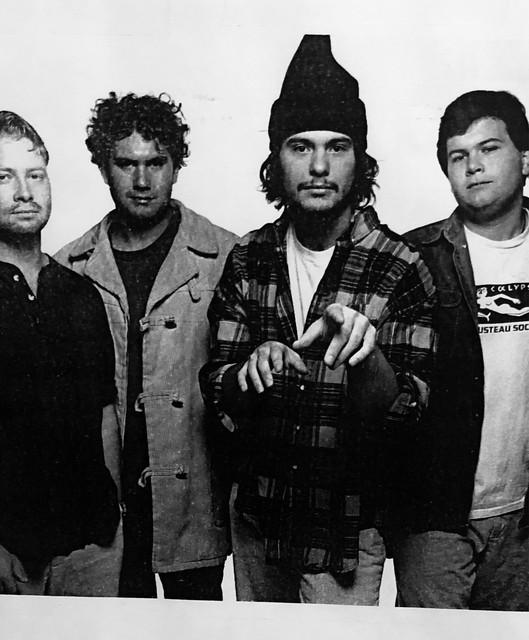
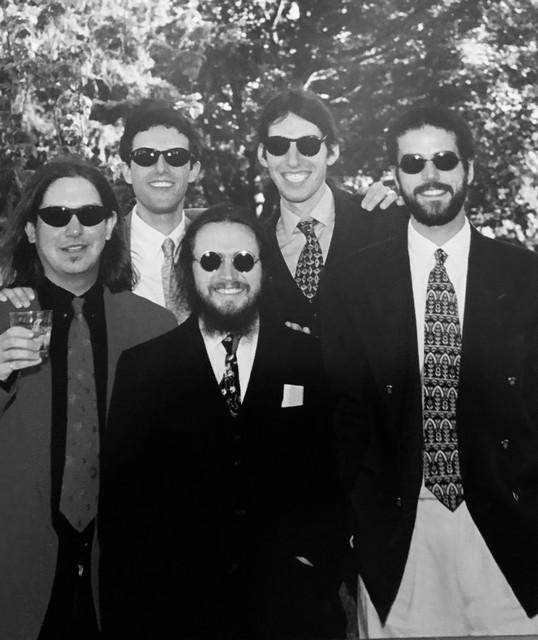
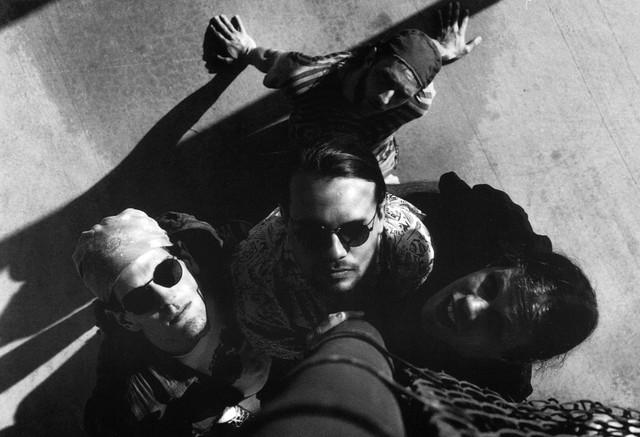
Ten Hands’ Spotify BioSomewhere between the kitchen sink jazz-rock-art dynamics of Frank Zappa and the psychedelic punk of the Meat Puppets, Ten Hands found their musical niche. Born from the Dallas suburb of Denton, TX, in the mid-'80s, Ten Hands briefly enjoyed heaps of acclaim and an impressive following in their home state. Their music tended to be high in energy, syncopated and funky. Matched with Paul Slavens' charismatic vocal stylings and political assertions that denigrated the ruling elite, the complacent middle class, and environmental evils, Ten Hands was one of the more politically oriented Texas bands of the era. They rarely forgot to be fun, however, and their musical playfulness and frequent lyrical absurdism belied any pretensions they may have had.
Sometime in late 1986, Mike Dillon, Gary Muller, and Matt Chamberlain were playing in Dallas-based band Zane Grey, who actually appeared on Star Search. They did not win, but Muller did get to touch Ed McMahon (specifically, his hand). Meanwhile,… Steve Brand and Slavens were playing in a Denton band called the Gonemen. Dillon, Muller, and Chamberlain lived in the same Denton house as other members of the Gonemen, and when dissatisfaction with both groups began to appear, the idea for a new band was spawned.
The first Ten Hands rehearsal (documented on videotape) took place late 1986 in Denton. Shortly thereafter, Zane Grey's manager, Tony Johnson, accepted an offer to manage the fledgling band. For the first year, Ten Hands played mostly small venues in Denton and performed a weekly gig at the Prophet Bar, a seminal Deep Ellum club in Dallas. During this time, a studio recording was made and handmade cassettes were sold and distributed in and around the Dallas, Ft. Worth, and Denton area.
Chamberlain and Dillon were already well-known in Denton as top players in the University of North Texas Jazz program, and interest in the band soon grew. It was also during this time that New Bohemians were becoming a major draw in Dallas. It happened that several members of that band were friends with a few Ten Hands members, and ultimately, New Bohemians finagled some opening slots for Ten Hands at Deep Ellum's celebrated Club Dada. The Club Dada shows helped expose the band to a much wider audience, and the venue would later host many of Ten Hands' most memorable performances. In late 1988, the band went into the studio to record Kung Fu...That's What I Like. As New Bohemians vacated Dallas for bigger and better things, Ten Hands stepped in to fill the void and began what would be a three or four year run as one of the region's most popular draws. The band won numerous Dallas Observer Awards in 1988-1989, and shortly after the release of their first live CD, The Big One Is Coming, the band caught the attention of well-known producer/artist T. Bone Burnett. Burnett gave the band his assurances that he would procure them a record deal and produce the album. It seemed as though the band was on its way to the "big time." The months dragged on with no deal in sight, however, and an unsuccessful 1990 tour (with future members of the Gourds) sapped the band's enthusiasm.
At a SXSW performance, the band was offered a record deal by an independent producer in L.A. Desperate to release an album after two years of inactivity, the band agreed and began work on Be My Guru in late 1991. While the album contained some of the band's best songs, the recording itself was a disappointment and the relationship with the label grew stormy. By the time the band left the label, much of their earlier momentum was lost.
As the band's popularity began to wane, a friend of the band, Byron Wilson, offered to produce a CD. Jazz for Jerks was recorded in early 1993 with the assistance of the band's friend and longtime collaborative producer, Dave Castell. While the new sound was powerful, the enthusiasm within and without the band was lacking.
The band was about to pack it in when a label in Memphis took an interest in the group. A new guitarist, Ed McMahon (in a strange twist of fate), and drummer Greg Beck were hired. A demo record was recorded with the brand new lineup, but the album was never mixed or released. ~ Christian Huey, Rovi
Viberate is a music analytics platform built for A&Rs, artist managers, labels, booking agents, marketers, and artists.
It helps music professionals track artist growth, analyze audience data, monitor playlist activity, compare artists, follow song performance, and identify opportunities across the music market.
Public artist pages provide a free preview of selected artist data. Paid plans provide access to deeper analytics, historical data, charts, comparisons, playlist tools, exports, alerts, reports, and additional professional features.
Yes. Public Viberate artist pages provide selected artist analytics and music data for free.
Viberate also offers a 7-day free trial of the full platform. A credit card is required to start the trial. The trial includes access to the complete product so users can test deeper artist analytics, historical views, playlist insights, comparisons, charts, exports, alerts, and reporting features before choosing a paid plan.
Viberate provides artist analytics across streaming, playlists, social media, video, radio airplay, songs, and audience markets.
Users can analyze Spotify performance, Spotify and Apple Music playlists, YouTube activity, TikTok and Instagram growth, radio spins, song performance, audience locations, demographics, rankings, and overall artist momentum.
Artist profiles also connect to music charts, similar artists, and comparison tools, helping users benchmark performance and evaluate artists in context.
Viberate updates key artist and track data daily.
For followed artists and tracks, selected data is refreshed multiple times per day. This helps teams monitor playlist changes, streaming movement, audience growth, releases, and campaign performance with more current data.
Update frequency can vary depending on the metric and data source.
Yes. Viberate lets users compare up to five artists side by side across streaming, social media, audience, and engagement metrics.
Users can compare fanbase growth, audience demographics, locations, Spotify performance, social metrics, and other artist data over selected time periods.
Artist comparison can be used for A&R scouting, benchmarking, booking decisions, campaign planning, and evaluating artists with similar audiences or market positions.