Ten

Rock
Hard Rock
Pop Rock
 Viberate Rank: 166433
 Viberate Rank: 166433
 Monthly ListenersFollowers
 Subscribers
 Followers
 Followers
 FansTop Spotify Songs
| Track | 7-Day Streams | |
|---|---|---|
1 | 1.26K | |
2 | 1.26K | |
3 | 910 | |
4 | 910 | |
5 | 826 |
Top YouTube Videos| Video | 7-Day Views | |
|---|---|---|
1 | 2 |
Monthly ListenersFeatured in Playlists| Playlist | Followers | |
|---|---|---|
1 | Heavy Metal Ballads Kenneth Eriksen | 12.16K |
2 |  Progressive and Power Metal Loft Music | 4.81K |
3 |  AOR/Melodic rock/Hard Rock Chris Kremasmenos | 3.40K |
4 | Melodic Hard Rock/Metal - AOR Jimmys Blackmore | 2.58K |
5 |  Is this the 80s? Matt Yu | 2.58K |
Audience| City | Monthly Listeners | |
|---|---|---|
1 |  | 215 |
2 |  | 201 |
3 |  | 199 |
4 | | 125 |
5 |  | 107 |
See full performance history, audience data, playlist activity, rankings, comparisons, and more in Viberate music analytics. Start with a free trial, then continue with a paid plan.
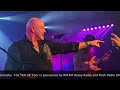
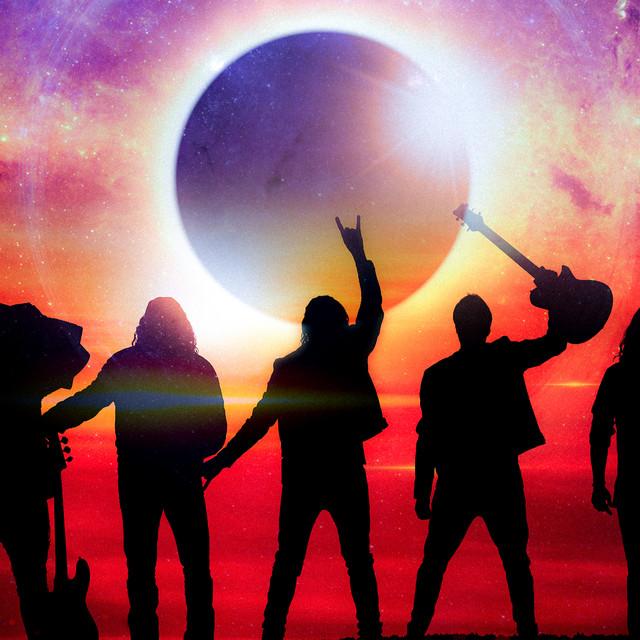
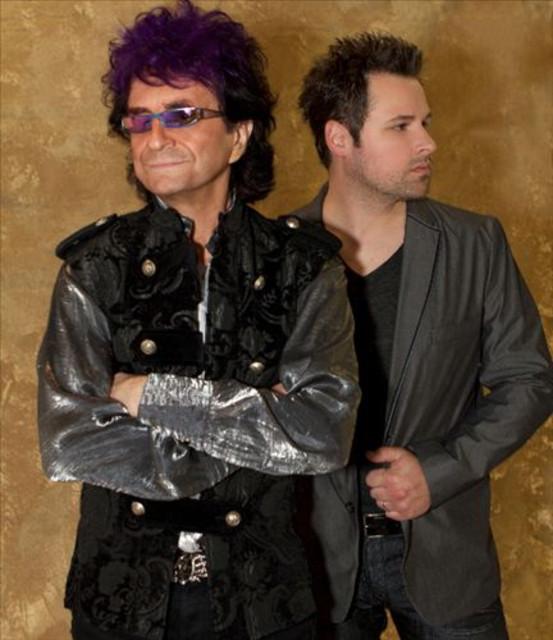
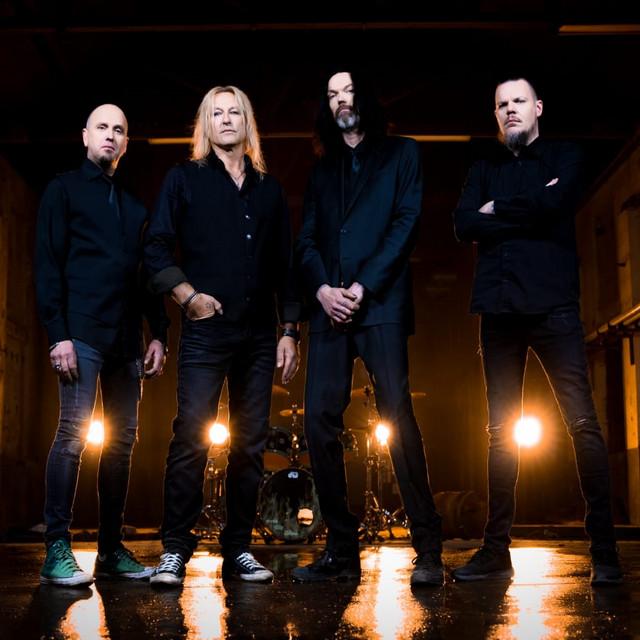
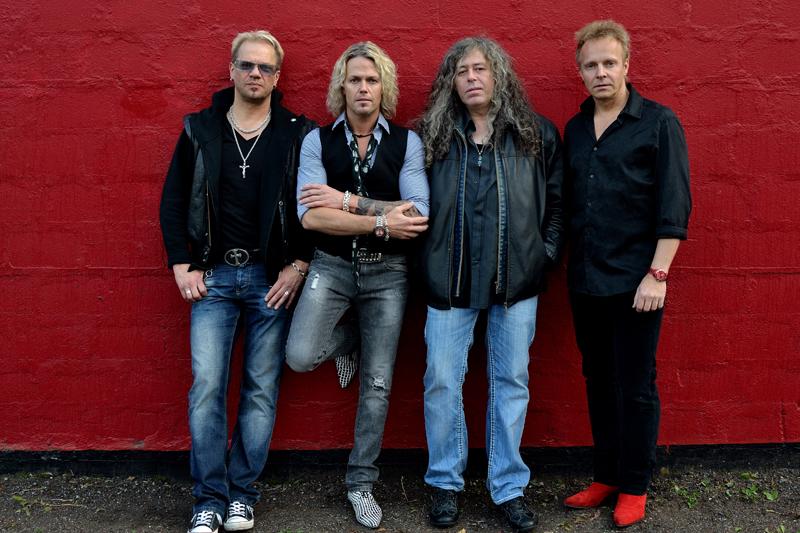
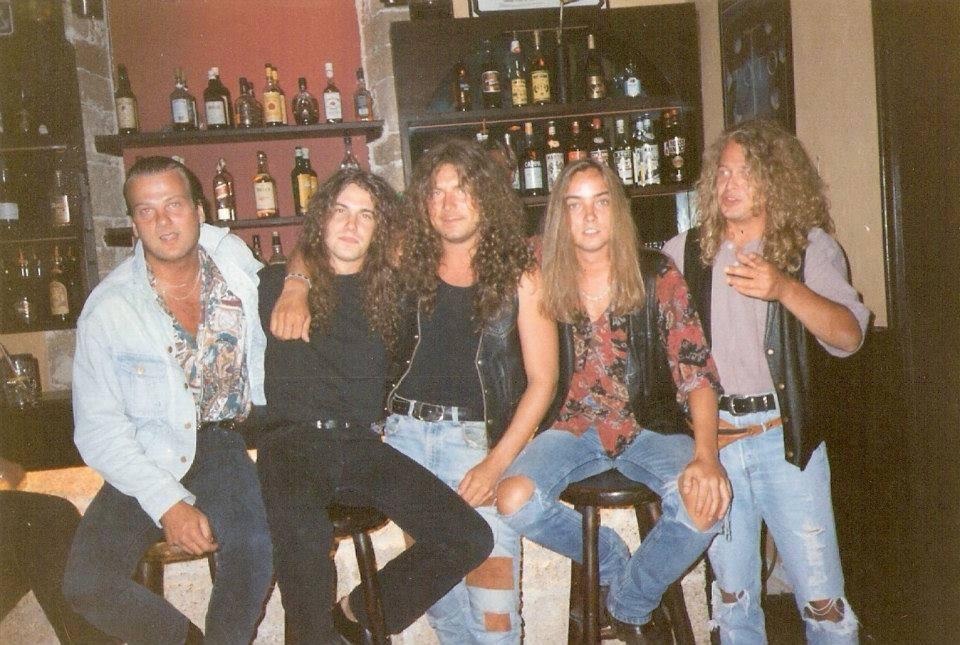
Ten’s Spotify BioThe British melodic hard rock band Ten formed in 1994 after vocalist and songwriter Gary Hughes had a particularly fruitful period of writing. During preparations for what would be his third solo album, Hughes found himself with 28 songs. He later decided to split the songs across two albums. Mike Stone was brought on board to mix the album, and Vinny Burns from the rock band Dare was added on guitar. Soon another ex-Dare member, Greg Morgan, was brought into the fold, and Hughes' project evolved into a band. Ten released their first record X in 1996, and it was warmly received. They took to the road to tour in support of the record, and added yet another Dare member to their numbers, bassist Martin "Shelley" Shelton, as well as keyboard player Ged Rylands and guitarist John Halliwell -- both formerly of Kage. Wasting little time, the ever-growing group returned to the studio and put out their sophomore effort, The Name of the Rose, in the same year. They hit the road again, but… Shelley left the band and was replaced by Andrew "Drew" Webb. For their next record they took a slightly different tack. Although they retained producer Mike Stone and their signature melodic/hard rock sound they also began to include a wider range of influences.
As the '90s wore on, Ten released three further albums, The Robe, the live record Never Say Goodbye, and Spellbound -- the latter went on to become one of their most successful records. They entered the next decade with a concept album, 2000's Babylon, which centered around the love affair of a computer programmer and was set in the future. Their next album saw a shift in the group's dynamics as Don Airy was replaced on keys with Paul Hodson, and Burns departed, citing creative differences. He was eventually replaced by Chris Francis, but the band had a break from 2002 to 2003 while Hughes worked on his rock opera Once and Future King. The rest of the decade saw two further Ten albums, 2004's Return to Evermore, and a best-of called The Essential Collection 1995-2005. That year, bassist Steve McKenna left the band, followed in 2008 by Francis, and Hughes and the band went on hiatus in 2008.
Ten reemerged in 2011 with Stormwarning, five years after their last record. However, they soon began to lose members again, with Hodson, guitarist Neil Fraser, and bassist Mark Sumner all leaving that same year. But they were soon replaced by guitarist Dan Mitchell and keyboard player Darrel Treece-Birch, and McKenna also returned on bass. Ten continued stayed active, releasing Heresy and Creed in 2012, Albion in 2014, Isla de Muerta in 2015, and their first EP in 16 years, The Dragon and Saint George, also in 2015.
2016 saw Ten return to their old label Frontier Records for their 13th studio album Gothica, which was released in 2017. The band also planned to reissue their back catalog physically and digitally, with the latter a virtual box set titled Opera Omnia. ~ Bekki Bemrose, Rovi
Viberate is a music analytics platform built for A&Rs, artist managers, labels, booking agents, marketers, and artists.
It helps music professionals track artist growth, analyze audience data, monitor playlist activity, compare artists, follow song performance, and identify opportunities across the music market.
Public artist pages provide a free preview of selected artist data. Paid plans provide access to deeper analytics, historical data, charts, comparisons, playlist tools, exports, alerts, reports, and additional professional features.
Yes. Public Viberate artist pages provide selected artist analytics and music data for free.
Viberate also offers a 7-day free trial of the full platform. A credit card is required to start the trial. The trial includes access to the complete product so users can test deeper artist analytics, historical views, playlist insights, comparisons, charts, exports, alerts, and reporting features before choosing a paid plan.
Viberate provides artist analytics across streaming, playlists, social media, video, radio airplay, songs, and audience markets.
Users can analyze Spotify performance, Spotify and Apple Music playlists, YouTube activity, TikTok and Instagram growth, radio spins, song performance, audience locations, demographics, rankings, and overall artist momentum.
Artist profiles also connect to music charts, similar artists, and comparison tools, helping users benchmark performance and evaluate artists in context.
Viberate updates key artist and track data daily.
For followed artists and tracks, selected data is refreshed multiple times per day. This helps teams monitor playlist changes, streaming movement, audience growth, releases, and campaign performance with more current data.
Update frequency can vary depending on the metric and data source.
Yes. Viberate lets users compare up to five artists side by side across streaming, social media, audience, and engagement metrics.
Users can compare fanbase growth, audience demographics, locations, Spotify performance, social metrics, and other artist data over selected time periods.
Artist comparison can be used for A&R scouting, benchmarking, booking decisions, campaign planning, and evaluating artists with similar audiences or market positions.