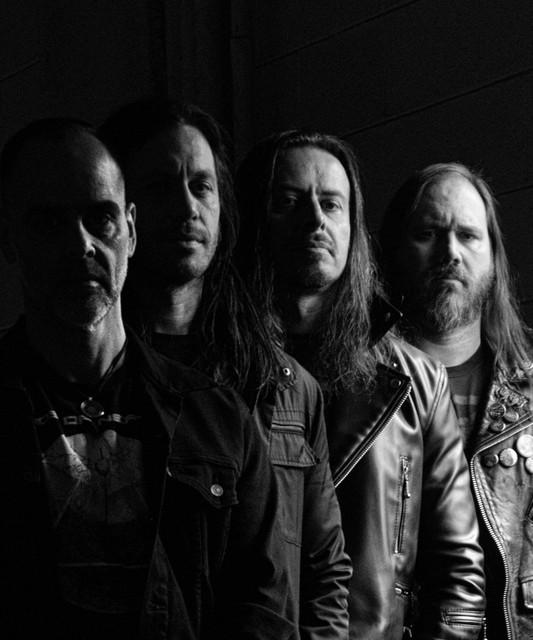
Temple of Void

Metal
Doom/Sludge Metal
Death Metal
 Viberate Rank: 171131
 Viberate Rank: 171131
 Monthly ListenersFollowers
 Subscribers
 Followers
 Followers
 FansTop Spotify Songs
| Track | 7-Day Streams | |
|---|---|---|
1 | 355 | |
2 | 308 | |
3 | 291 | |
4 | 277 | |
5 | 221 |
Top YouTube Videos| Video | 7-Day Views | |
|---|---|---|
1 | 170 | |
2 | 142 | |
3 | 68 | |
4 | 56 | |
5 | 51 |
Monthly ListenersFeatured in Playlists| Playlist | Followers | |
|---|---|---|
1 |  🌶️ To The Teeth | New Metal To The Teeth | 8.80K |
2 |  Sludge & Doom Metal Ole Urke Wik | 8.53K |
3 |  Death Doom Metal DeathDoom_Metal | 6.37K |
4 |  The Sound of Voidgaze The Sounds of Spotify | 3.55K |
5 |  Destructive Albums emrek | 3.42K |
Audience| City | Monthly Listeners | |
|---|---|---|
1 | | 49 |
2 | | 47 |
3 | | 46 |
4 |  | 41 |
5 | | 40 |
See full performance history, audience data, playlist activity, rankings, comparisons, and more in Viberate music analytics. Start with a free trial, then continue with a paid plan.
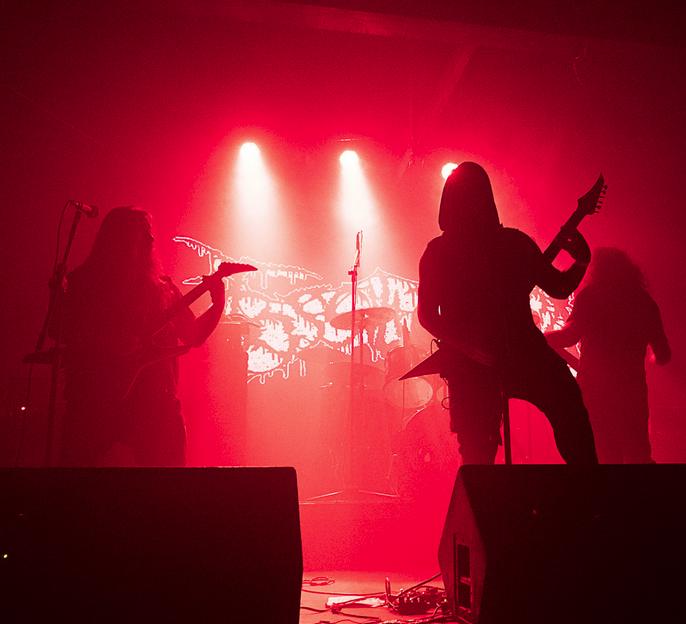
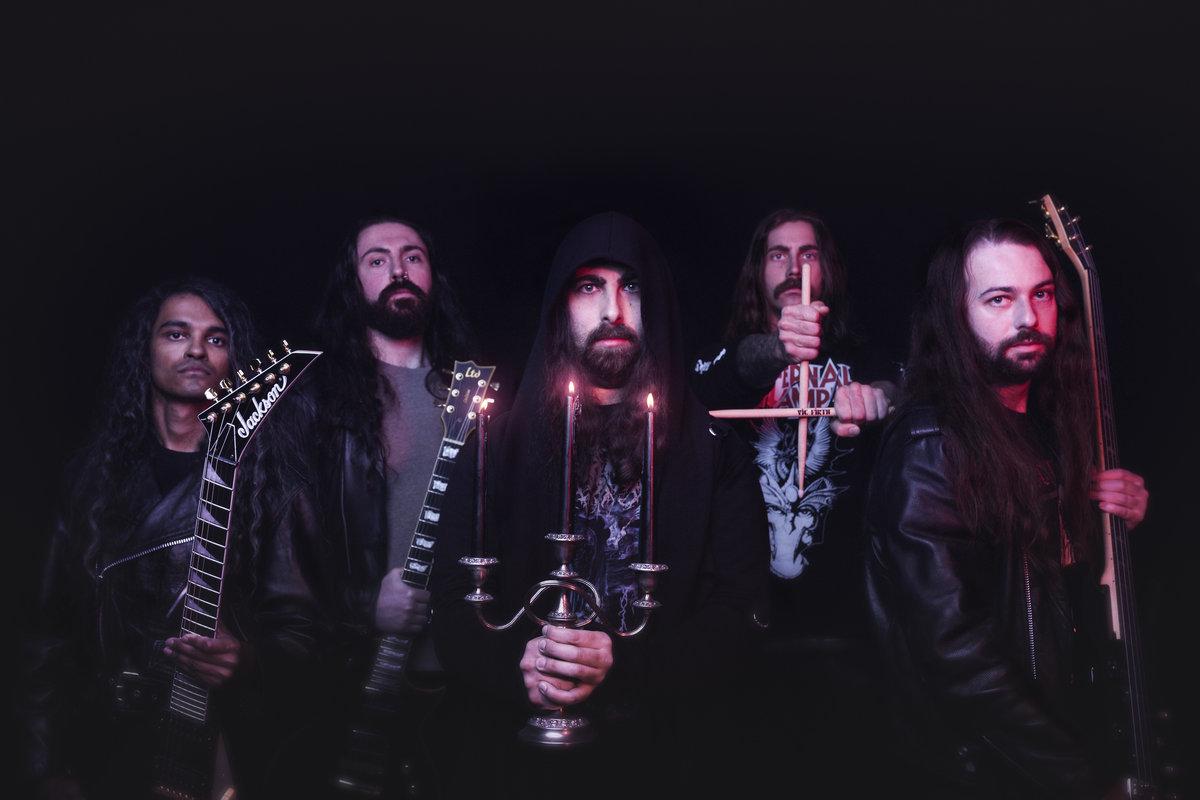
Temple of Void’s Spotify BioCave dwellers TEMPLE OF VOID finally return from the inky abyss on their highly anticipated new album, Summoning the Slayer. The critically acclaimed, Michigan-based quintet—featuring Alex Awn (guitars), Don Durr (guitars), Mike Erdody (vocals), Jason Pearce (drums), and Brent Satterly (bass)—hunkered down during the last two years, expanding upon their brand of fusty, artfully brutish death-doom with equal parts process and imagination. The outcome is an album that feels massive yet sepulchral, exploratory yet distinguishable—as if crafted deep below and inspired by all the things (mentally and physically) that come with their subterranean endeavor. Summoning the Slayer creepily evolves TEMPLE OF VOID.
Produced, mixed, and mastered by Arthur Rizk (Power Trip, Sumerlands, Candy, and more,) Summoning the Slayer pairs long-time influences and a bevy of non-metal vectors into hulking columns of heavy and desolation. Focus tracks “Deathtouch,” “Hex Curse,” and “The Transcending Horror”… showcases TEMPLE OF VOID’s death-doom at its heights and their massive, crushing lows. But the group’s fourth album is more than that. The album’s capper, “Dissolution,” is one example of the Detroiters stretching out, the song’s ‘70s rock/singer-songwriter motifs hitting The Moody Blues and Nick Drake hard. Lyrically, Summoning the Slayer eschews commonplace horror tropes with a deeper, broader psychological discussion of the self. TEMPLE OF VOID’s ultimate death-doom journey is now complete.
Viberate is a music analytics platform built for A&Rs, artist managers, labels, booking agents, marketers, and artists.
It helps music professionals track artist growth, analyze audience data, monitor playlist activity, compare artists, follow song performance, and identify opportunities across the music market.
Public artist pages provide a free preview of selected artist data. Paid plans provide access to deeper analytics, historical data, charts, comparisons, playlist tools, exports, alerts, reports, and additional professional features.
Yes. Public Viberate artist pages provide selected artist analytics and music data for free.
Viberate also offers a 7-day free trial of the full platform. A credit card is required to start the trial. The trial includes access to the complete product so users can test deeper artist analytics, historical views, playlist insights, comparisons, charts, exports, alerts, and reporting features before choosing a paid plan.
Viberate provides artist analytics across streaming, playlists, social media, video, radio airplay, songs, and audience markets.
Users can analyze Spotify performance, Spotify and Apple Music playlists, YouTube activity, TikTok and Instagram growth, radio spins, song performance, audience locations, demographics, rankings, and overall artist momentum.
Artist profiles also connect to music charts, similar artists, and comparison tools, helping users benchmark performance and evaluate artists in context.
Viberate updates key artist and track data daily.
For followed artists and tracks, selected data is refreshed multiple times per day. This helps teams monitor playlist changes, streaming movement, audience growth, releases, and campaign performance with more current data.
Update frequency can vary depending on the metric and data source.
Yes. Viberate lets users compare up to five artists side by side across streaming, social media, audience, and engagement metrics.
Users can compare fanbase growth, audience demographics, locations, Spotify performance, social metrics, and other artist data over selected time periods.
Artist comparison can be used for A&R scouting, benchmarking, booking decisions, campaign planning, and evaluating artists with similar audiences or market positions.