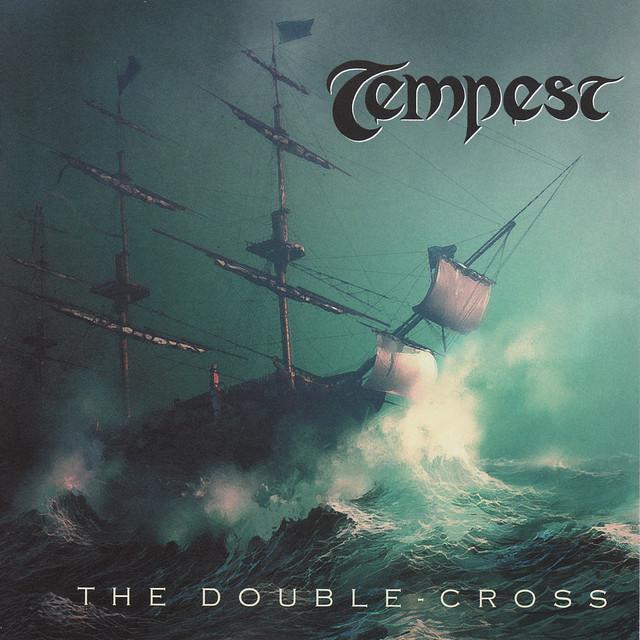
Tempest

European
Celtic
Folk Rock
Folk Metal
 Viberate Rank: 282153
 Viberate Rank: 282153
 Monthly ListenersFollowers
 Subscribers
 Followers
 Followers
 FansTop Spotify Songs
| Track | 7-Day Streams | |
|---|---|---|
1 | 273 | |
2 | 237 | |
3 | 154 | |
4 | 141 | |
5 | 111 |
Top YouTube VideosMonthly ListenersFeatured in Playlists| Playlist | Followers | |
|---|---|---|
1 |  70s Proto-Metal, Heavy Psych & Obscure Hard Rock Jordan Edrei | 11.27K |
2 | HEAVY DUBSTEP DROPS Will Thoma | 9.08K |
3 |  Hard Trap - Dubstep - Bass Tilo Hauk | 5.26K |
4 | 추억의 7080 가요 명곡 Best 🇰🇷 Astral Skies | 3.05K |
5 |  Pirate Punk, Metal & Sea Shanties Squirrel Potatoes | 2.60K |
Audience| City | Monthly Listeners | |
|---|---|---|
1 | | 20 |
2 | | 17 |
3 | | 16 |
4 | | 16 |
5 | | 15 |
See full performance history, audience data, playlist activity, rankings, comparisons, and more in Viberate music analytics. Start with a free trial, then continue with a paid plan.
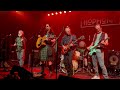
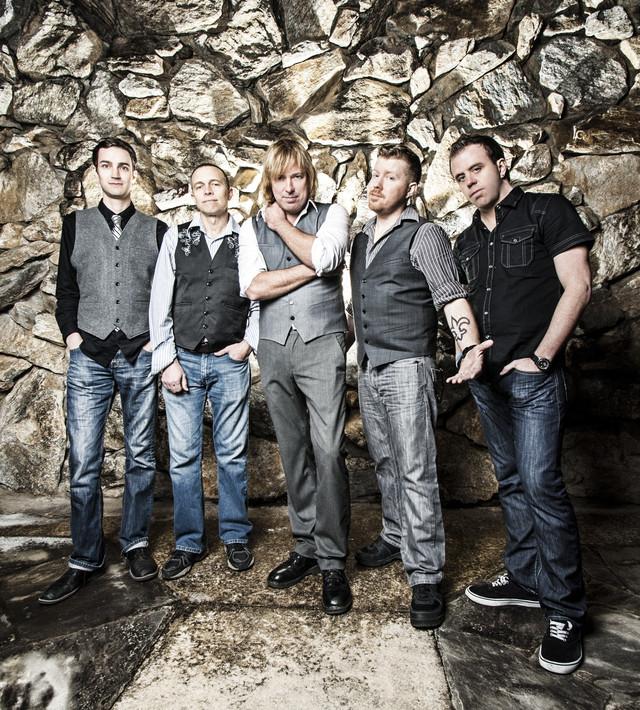
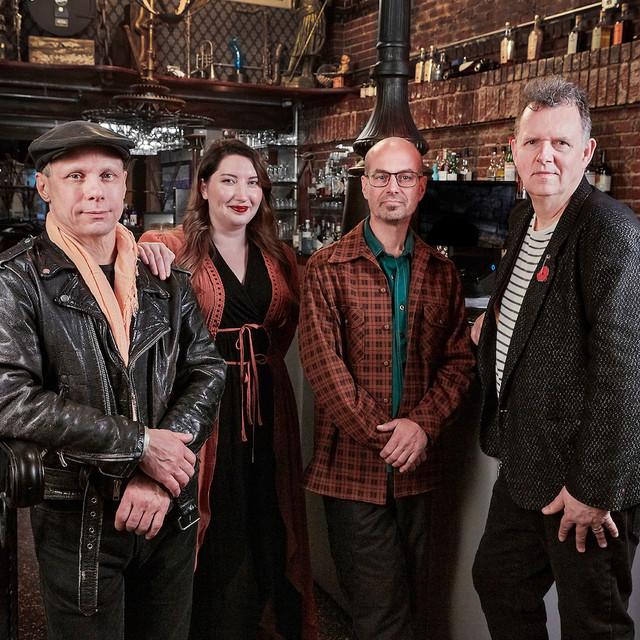
Tempest’s Spotify BioTempest has a band name that might suggest a group of sneering, leather-wearing, head-banging metal heads, but the group's music is less threatening and more expansive than its name suggests. Tempest plays traditional Celtic music with a rock & roll intensity that's accented by a wide range of influences from the blues to American country music, Cajun 2-steps, and Arabic music, with some old-time San Francisco psychedelic flair. It's a mix bandleader Lief Sorbye calls "Celtodelic". The band's music, live and on record, aims for a blend that's half-traditional and half-contemporary. Sorbye is an amateur folklorist with a wide knowledge of Irish, Norwegian, and other Celtic and related traditions. He knows that if nobody sings the old songs, they'll die, but if a band only plays the old songs, the music gets stale, so Tempest hews close to the honored ethos of folkies everywhere by playing the old tunes in new ways, using traditional melodies for the basis of new songs and composing… songs so steeped in older forms that they sound traditional.
Sorbye was born in Oslo, Norway, and started teaching himself guitar when he was seven. He played in rock cover bands in high school and continued to be a rocker until his early twenties, when a friend played him an Incredible String Band album. That vision of folksy psychedelia captivated him. He researched traditional Irish music and played jigs, reels, and ballads, fascinated by the truth and beauty of the old songs. When he couldn't convince his bandmates to "go acoustic," he spent years singing for his supper on the streets of Europe and America before moving to the San Francisco Bay Area.
In Oakland he met Paul Espinoza and Margie Butler, who were also big Incredible String Band fans. The trio started performing as Golden Bough and became a major attraction at folk festivals all over American and Europe, with Sorbye's prowess on guitar, mandolin, and other stringed instruments being one of the bands major draws. After eight years and six albums, Sorbye left Golden Bough and created Tempest, intending to merge the power of Celtic traditions with the drive of folk-rock. The band took its name from an old Irish dance tune "The Tempest Reel." Tempest played their first gig in 1988 and after a few personnel shifts settled down with Sorbye on lead vocals, bouzouki, and electric mandolin, Cuban-born drummer Adolfo Lazo on drums, Rob Wullenjohn on guitar, and Ian Butler on bass. The band's first three self-released albums -- Bootleg (1991), Serrated Edge (1992), and Surfing to Mecca (1994) included compositions by Sorbye, Butler, and Wullenjohn, in addition to traditional Irish tunes. On Surfing to Mecca, Lazo began adding Arab and other world music rhythms to his percussive attack. Sorbye also invented a double-necked electric mandolin/mandola to give his solos more range and power.
With a challenging tour schedule, Tempest quickly progressed from a well-known California folk-rock act to an international draw on the folk festival circuit. The band usually logs more than 200 gigs a year at clubs, colleges, and folk festivals. In 1996, fiddler Michael Mullen joined up and the band signed with Magna Carta, a logo distributed by WEA International. The deal helped Tempest raise their international profile. Turn of the Wheel (1996) showed the band adding a metallic attack to their sound, but they returned to a more traditional folk-rock sound on 1997's The Gravel Walk. Throughout its history, the band has experienced many personnel shifts, with Sorbye, Lazo, and Mullen being the most consistent players. Still, their albums and live gigs retain a high level of musicianship marked by the group's inventive arrangements. Balance (2001) added a bit of prog rock to the mix, Shapeshifter (2003) saw them playing some traditional American music alongside their blend of Celtic and Norwegian folk-rock for the first time, and The Double Cross (2006) found tunes from Finland and Scotland on the menu. On 2010's Another Dawn, the band made a crossover move with a cover of the Grass Roots hit "Let's Live for Today" while staying true to their traditional roots with "Jomfru," one of oldest songs in the Norwegian vocal tradition.
Sorbye still plays occasional reunion dates with Golden Bough and also appears with various fiddlers as Caliban, a duo that explores the acoustic side of traditional Celtic and Norwegian music. Since 2006, the band has also been hosting their own Celtic music and arts jamboree, the Karfluki Fest. The 2010 event was put on hold however, due to the American economic downturn of 2009. ~ j. poet, Rovi
Viberate is a music analytics platform built for A&Rs, artist managers, labels, booking agents, marketers, and artists.
It helps music professionals track artist growth, analyze audience data, monitor playlist activity, compare artists, follow song performance, and identify opportunities across the music market.
Public artist pages provide a free preview of selected artist data. Paid plans provide access to deeper analytics, historical data, charts, comparisons, playlist tools, exports, alerts, reports, and additional professional features.
Yes. Public Viberate artist pages provide selected artist analytics and music data for free.
Viberate also offers a 7-day free trial of the full platform. A credit card is required to start the trial. The trial includes access to the complete product so users can test deeper artist analytics, historical views, playlist insights, comparisons, charts, exports, alerts, and reporting features before choosing a paid plan.
Viberate provides artist analytics across streaming, playlists, social media, video, radio airplay, songs, and audience markets.
Users can analyze Spotify performance, Spotify and Apple Music playlists, YouTube activity, TikTok and Instagram growth, radio spins, song performance, audience locations, demographics, rankings, and overall artist momentum.
Artist profiles also connect to music charts, similar artists, and comparison tools, helping users benchmark performance and evaluate artists in context.
Viberate updates key artist and track data daily.
For followed artists and tracks, selected data is refreshed multiple times per day. This helps teams monitor playlist changes, streaming movement, audience growth, releases, and campaign performance with more current data.
Update frequency can vary depending on the metric and data source.
Yes. Viberate lets users compare up to five artists side by side across streaming, social media, audience, and engagement metrics.
Users can compare fanbase growth, audience demographics, locations, Spotify performance, social metrics, and other artist data over selected time periods.
Artist comparison can be used for A&R scouting, benchmarking, booking decisions, campaign planning, and evaluating artists with similar audiences or market positions.