Telstar Ponies

Rock
Alternative Rock
Post Rock
 Viberate Rank: 631600
 Viberate Rank: 631600
 Monthly ListenersFollowers
 Subscribers
 Followers
 Followers
 FansTop Spotify Songs
| Track | 7-Day Streams | |
|---|---|---|
1 | 79 | |
2 | 77 | |
3 | 55 | |
4 | 37 | |
5 | 22 |
Top YouTube VideosMonthly ListenersFeatured in Playlists| Playlist | Followers | |
|---|---|---|
1 |  Surf rock/psychadelic/jingly jangly Sam Gbr Vy | 8.46K |
2 |  90s Alternative Rock & Indie: Hits & Deep Cuts Carefully Curated. | 3.61K |
3 |  ✨Shugazi Dreams: 80s & 90s Shoegaze • Noise Pop • Dream Pop✨ ComfortableFather | 2.84K |
4 | Young Avengers Kieron Gillen | 2.03K |
Audience| City | Monthly Listeners | |
|---|---|---|
1 | | 15 |
2 |  | 13 |
3 |  | 12 |
4 |  | 11 |
5 | | 10 |
See full performance history, audience data, playlist activity, rankings, comparisons, and more in Viberate music analytics. Start with a free trial, then continue with a paid plan.
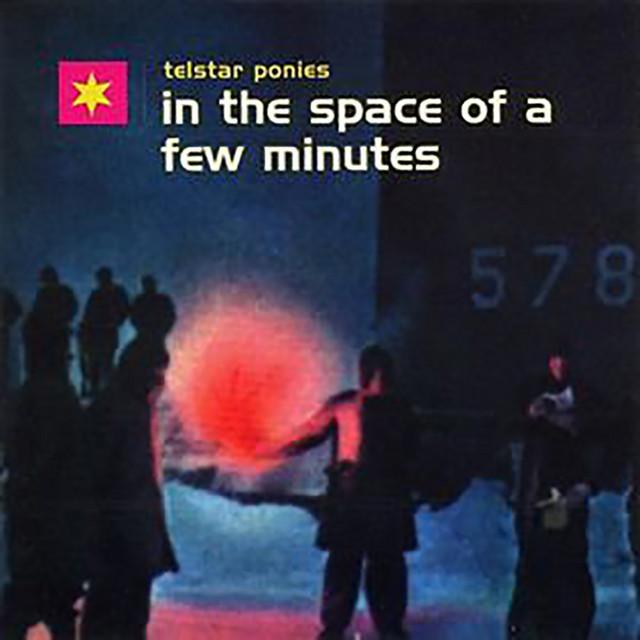
Telstar Ponies’ Spotify BioAfter David Keenan (guitar, vocals) departed from 18 Wheeler in 1994, he formed the Telstar Ponies in Glasgow, Scotland, with singer Rachel Devine, Gavin Laird (guitar, vocals), and former Teenage Fanclub drummer Brendan O'Hare. In 1995, the Telstar Ponies released their first album, In the Space of a Few Minutes. The Telstar Ponies were originally viewed by some critics as a weak knock-off of Teenage Fanclub. However, by their second LP, 1996's Voices From the New Music, the band had become more experimental, not bound by any genre boundaries. The group's intense live performances, often involving improvisation, helped inspire post-rock acts such as Mogwai and Godspeed You Black Emperor!. But when O'Hare and Laird left the band in 1997, they stopped recording; instead, they unleashed side projects like Phantom Engineer, lonecop, Macrocosmica, Fiend, and Rainspies. The group reunited in 1999 and added bassist Raymond Prior to their lineup. ~ Michael Sutton, Rovi
Viberate is a music analytics platform built for A&Rs, artist managers, labels, booking agents, marketers, and artists.
It helps music professionals track artist growth, analyze audience data, monitor playlist activity, compare artists, follow song performance, and identify opportunities across the music market.
Public artist pages provide a free preview of selected artist data. Paid plans provide access to deeper analytics, historical data, charts, comparisons, playlist tools, exports, alerts, reports, and additional professional features.
Yes. Public Viberate artist pages provide selected artist analytics and music data for free.
Viberate also offers a 7-day free trial of the full platform. A credit card is required to start the trial. The trial includes access to the complete product so users can test deeper artist analytics, historical views, playlist insights, comparisons, charts, exports, alerts, and reporting features before choosing a paid plan.
Viberate provides artist analytics across streaming, playlists, social media, video, radio airplay, songs, and audience markets.
Users can analyze Spotify performance, Spotify and Apple Music playlists, YouTube activity, TikTok and Instagram growth, radio spins, song performance, audience locations, demographics, rankings, and overall artist momentum.
Artist profiles also connect to music charts, similar artists, and comparison tools, helping users benchmark performance and evaluate artists in context.
Viberate updates key artist and track data daily.
For followed artists and tracks, selected data is refreshed multiple times per day. This helps teams monitor playlist changes, streaming movement, audience growth, releases, and campaign performance with more current data.
Update frequency can vary depending on the metric and data source.
Yes. Viberate lets users compare up to five artists side by side across streaming, social media, audience, and engagement metrics.
Users can compare fanbase growth, audience demographics, locations, Spotify performance, social metrics, and other artist data over selected time periods.
Artist comparison can be used for A&R scouting, benchmarking, booking decisions, campaign planning, and evaluating artists with similar audiences or market positions.