Television

Rock
Alternative Rock
Garage Rock
Pop Rock
 Viberate Rank: 34603
 Viberate Rank: 34603
 Monthly ListenersFollowers
 Subscribers
 Followers
 Followers
 FansTop Spotify Songs
| Track | 7-Day Streams | |
|---|---|---|
1 | 123.92K | |
2 | 48.47K | |
3 | 35.62K | |
4 | 30.00K | |
5 | 22.15K |
Top YouTube Videos| Video | 7-Day Views | |
|---|---|---|
1 | 2.36K | |
2 | 415 | |
3 | 192 | |
4 | 26 |
Monthly ListenersFeatured in Playlists| Playlist | Followers | |
|---|---|---|
1 |  Classic Punk Spotify | 1.60M |
2 |  Alternative 70s Spotify | 451.35K |
3 |  Outer Banks Official Playlist Spotify | 250.08K |
4 |  Stranger Things Soundtrack (Netflix) Excelsior Recordings | 121.77K |
5 |  1000 Recordings to Hear Before You Die (Tom Moon): Album Index Ulysses' Classical | 94.30K |
Audience| City | Monthly Listeners | |
|---|---|---|
1 |  | 10.80K |
2 | | 8.66K |
3 | | 8.52K |
4 | | 6.77K |
5 |  | 6.54K |
See full performance history, audience data, playlist activity, rankings, comparisons, and more in Viberate music analytics. Start with a free trial, then continue with a paid plan.
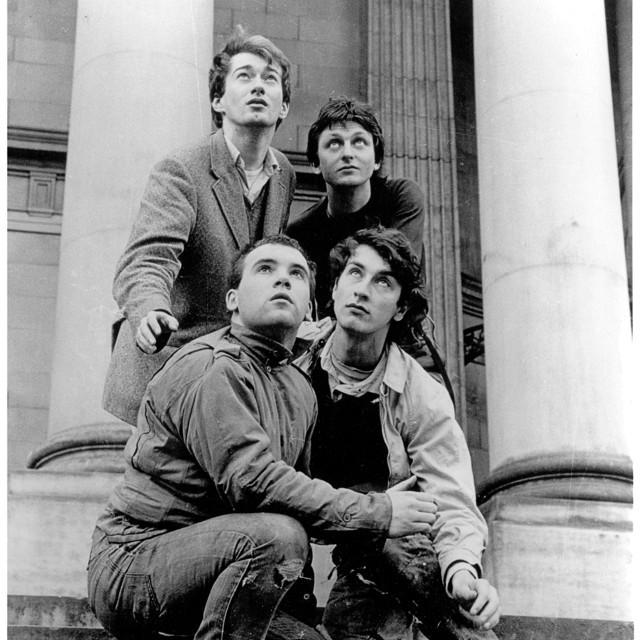
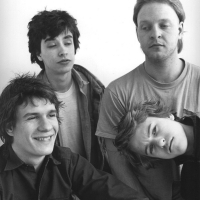
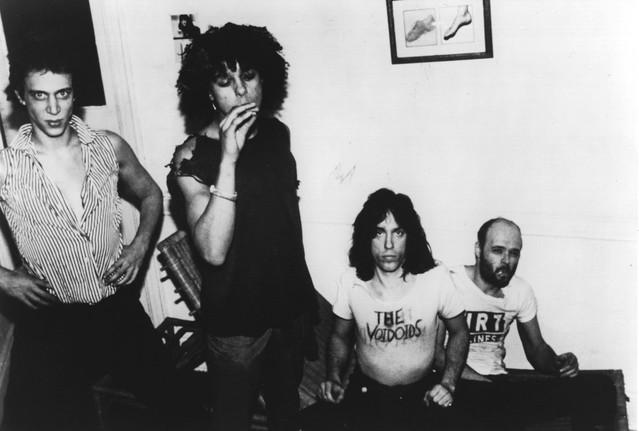
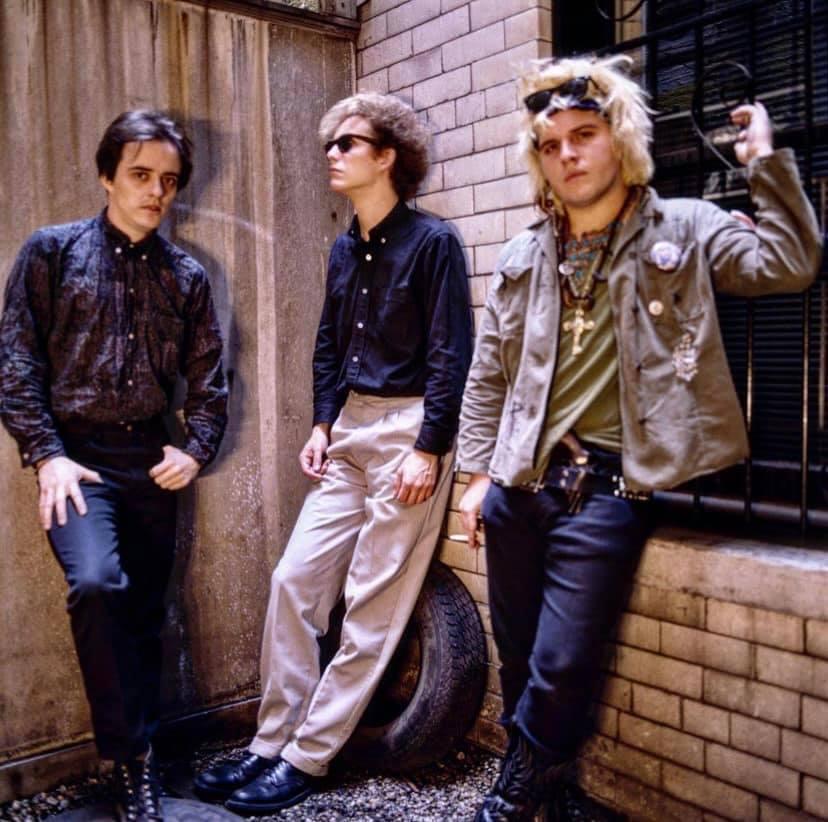
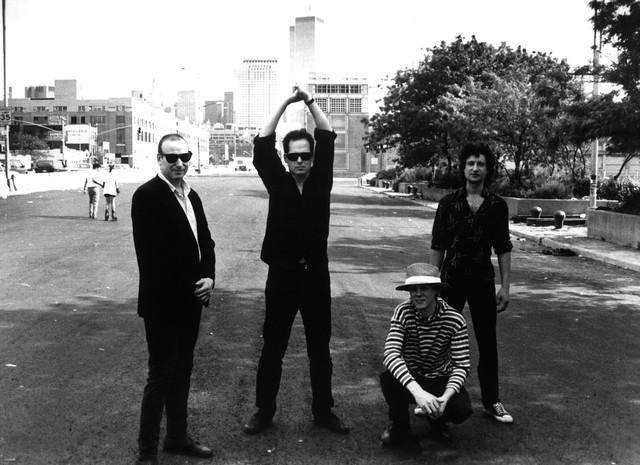
Television’s Spotify BioTelevision were one of the most creative bands to emerge from New York's punk scene of the mid-'70s, creating an influential new guitar vocabulary. While guitarists Tom Verlaine and Richard Lloyd liked to jam, they didn't follow the accepted rock structures for improvisation -- they removed the blues while retaining the raw energy of garage rock, adding complex, lyrical solo lines that recalled both jazz and rock. With its angular rhythms and fluid leads, Television's music always went in unconventional directions, laying the groundwork for many of the guitar-based post-punk pop groups of the late '70s and '80s.
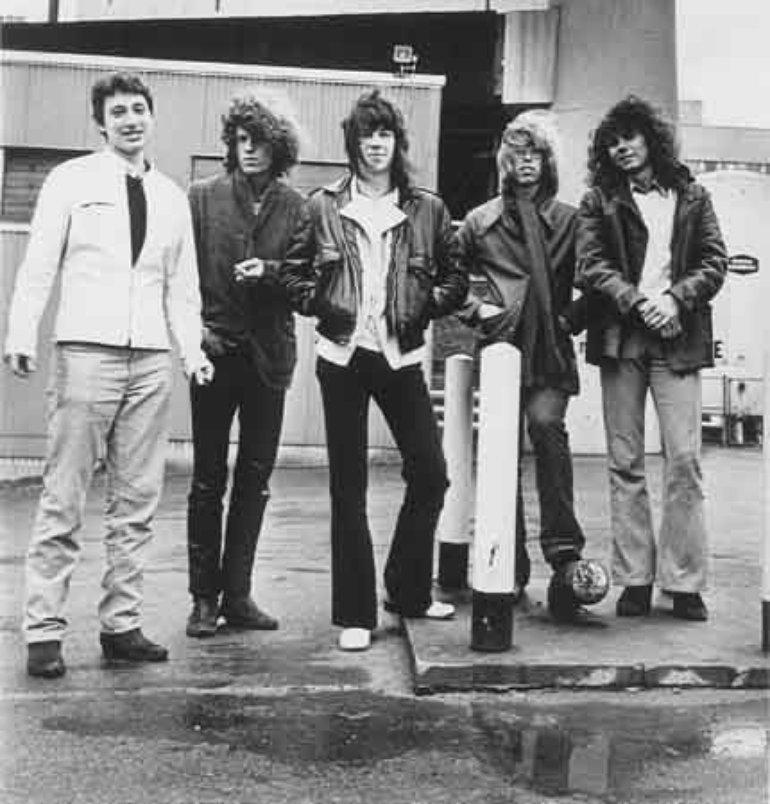
In the early '70s, Television began as the Neon Boys, a group featuring guitarist/vocalist Tom Verlaine, drummer Billy Ficca, and bassist Richard Hell. At the end of 1973, the group reunited under the name Television, adding rhythm guitarist Richard Lloyd. The following year, the band made its live debut at New York's Townhouse theater and began to build up an underground… following. Soon, their fan base was large enough that Verlaine was able to persuade CBGB's to begin featuring live bands on a regular basis; the club would become an important venue for punk and new wave bands. That year, Verlaine played guitar on Patti Smith's first single, "Hey Joe"/"Piss Factory," as well as wrote a book of poetry with the singer.
Television recorded a demo tape for Island Records with Brian Eno in 1975, yet the label decided not to sign the band. Hell left the band after the recording of the demo tape, forming the Heartbreakers with former New York Dolls guitarist Johnny Thunders; the following year, he began a solo career supported by the Voidoids, releasing a debut album, Blank Generation, in 1977. Hell was replaced by ex-Blondie bassist Fred Smith and Television recorded "Little Johnny Jewel," releasing it on their own Ork record label. "Little Johnny Jewel" became an underground hit, attracting the attention of major record labels. In 1976, the band released a British EP on Stiff Records, which expanded their reputation. They signed with Elektra Records and began recording their debut album.
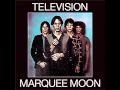
Marquee Moon, the group's first album, was released in early 1977 to great critical acclaim, yet it failed to attract a wide audience in America; in the U.K., it reached number 28 on the charts, launching the Top 40 single "Prove It." Television supported Blondie on the group's 1977 tour, but the shows didn't increase the group's following significantly.
Television released their second album, Adventure, in the spring of 1978. While its American sales were better than those of Marquee Moon, the record didn't make the charts; in Britain, it became a Top Ten hit. Months later, the group suddenly broke up, largely due to tensions between the two guitarists. Smith rejoined Blondie, while Verlaine and Lloyd both pursued solo careers; Lloyd also played on John Doe's first solo album, as well as joined Matthew Sweet's supporting band with the 1991 album Girlfriend.
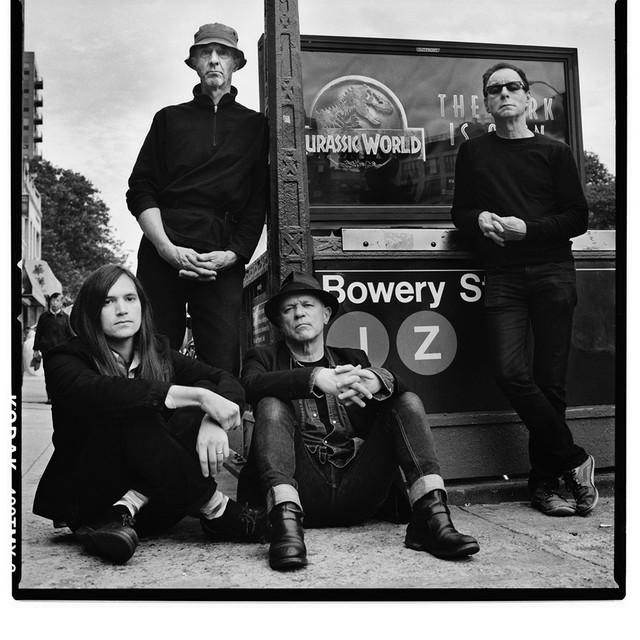
Nearly 14 years after their breakup, Television re-formed in late 1991, recording a new album for Capitol Records. The reunited band began its comeback with a performance at England's Glastonbury summer festival in 1992, releasing Television a couple months later. The album received good reviews, as did the tour that followed, yet the reunion was short-lived -- the group disbanded again in early 1993. In 2001, Television again reunited for a handful of shows in the U.K. as well as an appearance at the Noise Pop Festival in Chicago, and they continued to perform occasionally when the spirit moved them. In 2007, Richard Lloyd announced he was leaving Television under amicable circumstances; guitarist Jimmy Rip, who had played on Verlaine's solo albums and had sat in for Lloyd when illness prevented him from playing a concert with the group, became his permanent replacement for their occasional live appearances. Tom Verlaine died in New York City on January 28, 2023 after a brief illness. He was 73 years of age. ~ Stephen Thomas Erlewine, Rovi
Viberate is a music analytics platform built for A&Rs, artist managers, labels, booking agents, marketers, and artists.
It helps music professionals track artist growth, analyze audience data, monitor playlist activity, compare artists, follow song performance, and identify opportunities across the music market.
Public artist pages provide a free preview of selected artist data. Paid plans provide access to deeper analytics, historical data, charts, comparisons, playlist tools, exports, alerts, reports, and additional professional features.
Yes. Public Viberate artist pages provide selected artist analytics and music data for free.
Viberate also offers a 7-day free trial of the full platform. A credit card is required to start the trial. The trial includes access to the complete product so users can test deeper artist analytics, historical views, playlist insights, comparisons, charts, exports, alerts, and reporting features before choosing a paid plan.
Viberate provides artist analytics across streaming, playlists, social media, video, radio airplay, songs, and audience markets.
Users can analyze Spotify performance, Spotify and Apple Music playlists, YouTube activity, TikTok and Instagram growth, radio spins, song performance, audience locations, demographics, rankings, and overall artist momentum.
Artist profiles also connect to music charts, similar artists, and comparison tools, helping users benchmark performance and evaluate artists in context.
Viberate updates key artist and track data daily.
For followed artists and tracks, selected data is refreshed multiple times per day. This helps teams monitor playlist changes, streaming movement, audience growth, releases, and campaign performance with more current data.
Update frequency can vary depending on the metric and data source.
Yes. Viberate lets users compare up to five artists side by side across streaming, social media, audience, and engagement metrics.
Users can compare fanbase growth, audience demographics, locations, Spotify performance, social metrics, and other artist data over selected time periods.
Artist comparison can be used for A&R scouting, benchmarking, booking decisions, campaign planning, and evaluating artists with similar audiences or market positions.