Tek 9

Electronic
Drum & Bass
Downtempo
 Viberate Rank: 295889
 Viberate Rank: 295889
 Monthly ListenersFollowers
 Subscribers
 Followers
 Followers
 FansTop Spotify Songs
| Track | 7-Day Streams | |
|---|---|---|
1 | 5.64K | |
2 | 270 | |
3 | 270 | |
4 | 255 | |
5 | 106 |
Top YouTube VideosMonthly ListenersFeatured in Playlists| Playlist | Followers | |
|---|---|---|
1 | Trip Hop // Beats Lapgan | 67.29K |
2 |  Trip Hop Classics (1991-2001) - Triphop Classics 90s (100+ tracks) oppositemarco | 44.69K |
3 | Ultimate Rave jalf79 | 20.05K |
4 |  Mushroom Jazz 🍄 1-8 LoveJoy Stanton | 18.14K |
5 |  George Clanton's Favorite Songs George Clanton | 17.89K |
Audience| City | Monthly Listeners | |
|---|---|---|
1 | | 606 |
2 |  | 334 |
3 | | 313 |
4 |  | 226 |
5 |  | 192 |
See full performance history, audience data, playlist activity, rankings, comparisons, and more in Viberate music analytics. Start with a free trial, then continue with a paid plan.
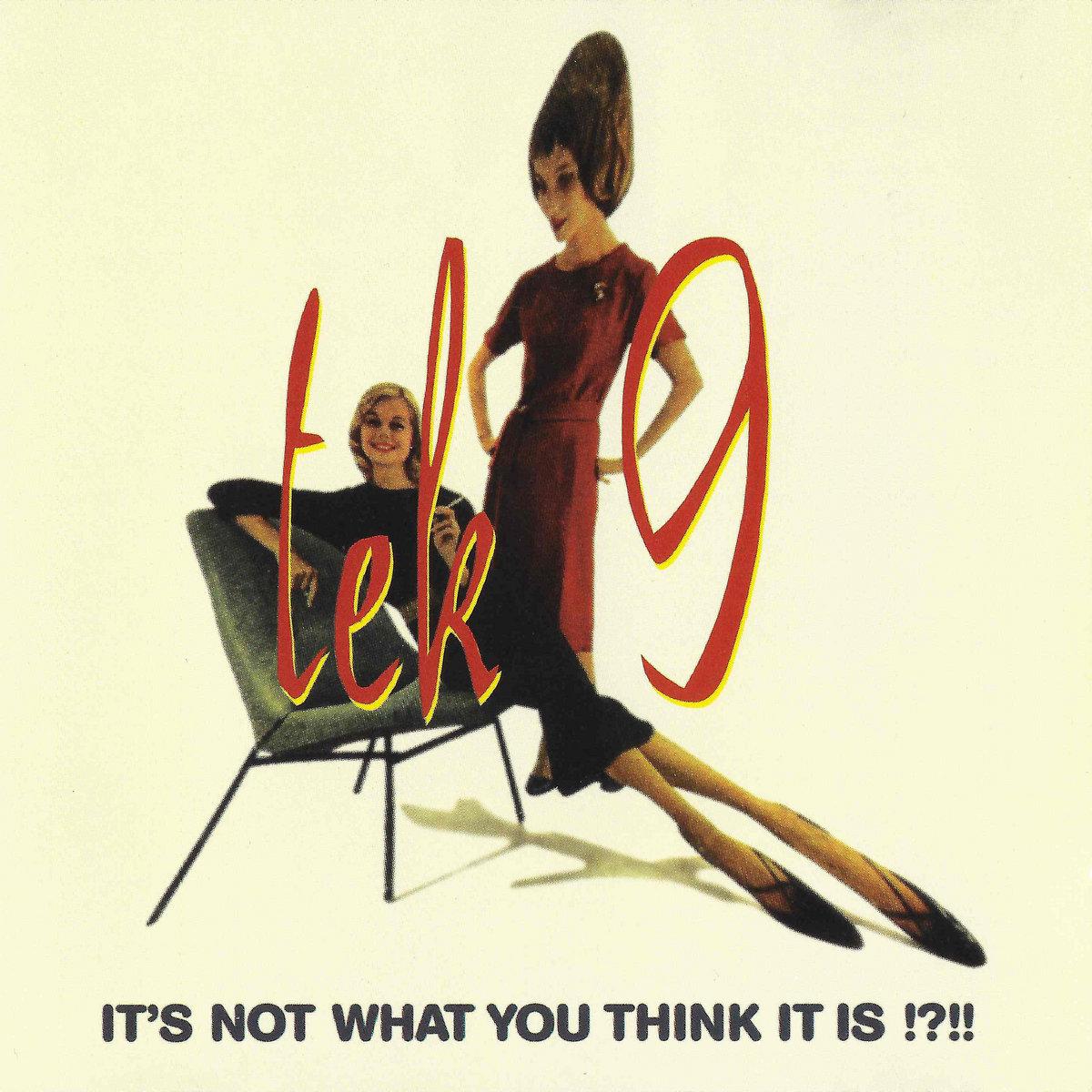
Tek 9’s Spotify BioWhen he's not crafting house-inspired, intelligent jungle with his partner Mark Mac as 4 Hero, Dego McFarlane records ragga, trip-hop, and drum'n'bass as Tek 9. The side project began in 1991, after 4 Hero had released four EPs on the duo's Reinforced label. Dego initially recorded the Kingdom of Dub EP, and then recorded (with Manifest and Cheewa toasting over the top) the ragga classic "A London Sumtin'" as Code 071 -- though the single appeared later as Tek 9. During 1993-1994, Dego worked only sparingly as Tek 9 while running his Tom & Jerry label and working on 4 Hero material. He later returned to the project with several EPs -- The Return of Tek 9, 'Breakin Sound Barriers, and Killing Time -- and in 1996 released Tek 9's debut album, It's Not What You Think It Is!!?! The album charted a mellower course than the early EPs, concentrating more on downtempo, hip-hop, and house than ragga jungle. After a busy two years working on 4 Hero material, Dego returned in late 1999 with the… second Tek 9 LP, Simply. ~ John Bush, Rovi
Viberate is a music analytics platform built for A&Rs, artist managers, labels, booking agents, marketers, and artists.
It helps music professionals track artist growth, analyze audience data, monitor playlist activity, compare artists, follow song performance, and identify opportunities across the music market.
Public artist pages provide a free preview of selected artist data. Paid plans provide access to deeper analytics, historical data, charts, comparisons, playlist tools, exports, alerts, reports, and additional professional features.
Yes. Public Viberate artist pages provide selected artist analytics and music data for free.
Viberate also offers a 7-day free trial of the full platform. A credit card is required to start the trial. The trial includes access to the complete product so users can test deeper artist analytics, historical views, playlist insights, comparisons, charts, exports, alerts, and reporting features before choosing a paid plan.
Viberate provides artist analytics across streaming, playlists, social media, video, radio airplay, songs, and audience markets.
Users can analyze Spotify performance, Spotify and Apple Music playlists, YouTube activity, TikTok and Instagram growth, radio spins, song performance, audience locations, demographics, rankings, and overall artist momentum.
Artist profiles also connect to music charts, similar artists, and comparison tools, helping users benchmark performance and evaluate artists in context.
Viberate updates key artist and track data daily.
For followed artists and tracks, selected data is refreshed multiple times per day. This helps teams monitor playlist changes, streaming movement, audience growth, releases, and campaign performance with more current data.
Update frequency can vary depending on the metric and data source.
Yes. Viberate lets users compare up to five artists side by side across streaming, social media, audience, and engagement metrics.
Users can compare fanbase growth, audience demographics, locations, Spotify performance, social metrics, and other artist data over selected time periods.
Artist comparison can be used for A&R scouting, benchmarking, booking decisions, campaign planning, and evaluating artists with similar audiences or market positions.