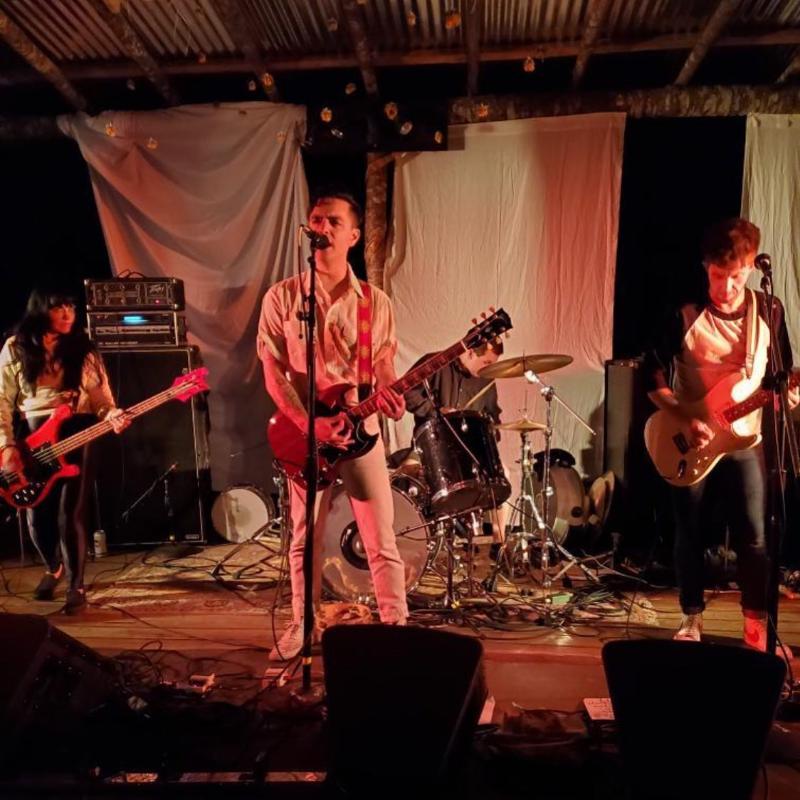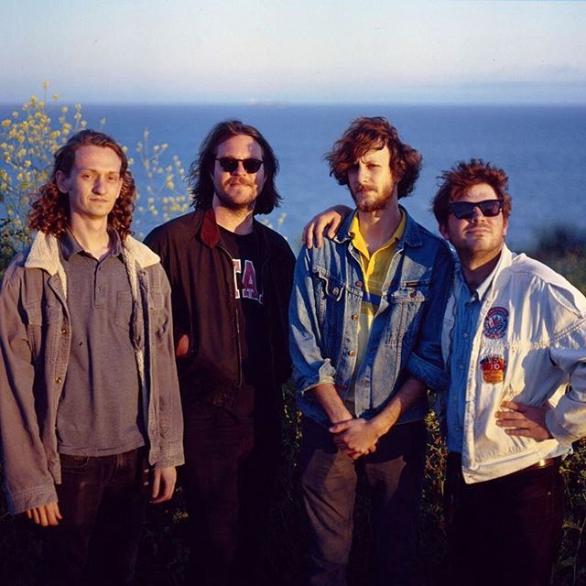
Teenanger

Punk
Punk Rock
Garage Rock
 Viberate Rank: 508063
 Viberate Rank: 508063
 Monthly ListenersFollowers
 Subscribers
 Followers
 Followers
 FansTop Spotify SongsTop YouTube VideosMonthly ListenersFeatured in Playlists
| Playlist | Followers | |
|---|---|---|
1 |  NPR All Songs Considered - The Bob Boilen years (unofficial) Fri Tsch | 30.02K |
2 | mumble...mumble... | 21.48K |
3 |  Letterkenny S1-12 Conor D | 15.59K |
4 |  lo-fi / garage rock / post-punk / punk / shoegaze / indie rock / noise rock Timo Tiivas | 6.89K |
5 |  Garage Punk / Lo-Fi Nick Seaney | 5.40K |
Audience| City | Monthly Listeners | |
|---|---|---|
1 | | 4 |
See full performance history, audience data, playlist activity, rankings, comparisons, and more in Viberate music analytics. Start with a free trial, then continue with a paid plan.
Teenanger’s Spotify BioOften misconstrued as "teenager," Teenanger is a Toronto-based band whose gritty garage punk sound, smart hooks, and wry humor earned them a national following in the front half of the 2010s. Over time their approach expanded to include new wave, jangle pop, and post-punk elements as heard on their eponymous 2017 album. This direction carried over onto the group's sixth album, Good Time, which was released in 2020 by longtime label Telephone Explosion.
Formed in 2008, members Chris Swimmings (vocals, guitar), Melissa Ball (bass), Jon Schouten (guitar), and Steve Sidol (drums) came out of the gate with a raw D.I.Y. sound that took cues from bands like the Stooges and Gun Club. They joined the roster of Toronto indie Telephone Explosion and teamed up with Californian labelmates Charlie & the Moonhearts for a 2009 split LP. Teenanger made their full-length debut a year later with the raucous Give Me Pink. Over the next few years, the band grew their audience with albums like 2012's Frights… and 2013's $ingles Don't Sell, doubling down on their clamorous garage punk style. A bit of post-punk edge found its way into 2015's unclassifiable eight-song EPLP (is it an EP or an LP?), but Teenanger's sea change came with their self-titled 2017 set, which introduced better production value, synths, and a greater shift toward pop melodicism. Nearly ten years into their career, the band hadn't lost their edge, but merely expanded their sonic horizons. After founding their own recording studio, Studio Z, Teenanger recorded 2020's wily Good Time, which shifted even further into new wave territory. ~ Timothy Monger, Rovi
Viberate is a music analytics platform built for A&Rs, artist managers, labels, booking agents, marketers, and artists.
It helps music professionals track artist growth, analyze audience data, monitor playlist activity, compare artists, follow song performance, and identify opportunities across the music market.
Public artist pages provide a free preview of selected artist data. Paid plans provide access to deeper analytics, historical data, charts, comparisons, playlist tools, exports, alerts, reports, and additional professional features.
Yes. Public Viberate artist pages provide selected artist analytics and music data for free.
Viberate also offers a 7-day free trial of the full platform. A credit card is required to start the trial. The trial includes access to the complete product so users can test deeper artist analytics, historical views, playlist insights, comparisons, charts, exports, alerts, and reporting features before choosing a paid plan.
Viberate provides artist analytics across streaming, playlists, social media, video, radio airplay, songs, and audience markets.
Users can analyze Spotify performance, Spotify and Apple Music playlists, YouTube activity, TikTok and Instagram growth, radio spins, song performance, audience locations, demographics, rankings, and overall artist momentum.
Artist profiles also connect to music charts, similar artists, and comparison tools, helping users benchmark performance and evaluate artists in context.
Viberate updates key artist and track data daily.
For followed artists and tracks, selected data is refreshed multiple times per day. This helps teams monitor playlist changes, streaming movement, audience growth, releases, and campaign performance with more current data.
Update frequency can vary depending on the metric and data source.
Yes. Viberate lets users compare up to five artists side by side across streaming, social media, audience, and engagement metrics.
Users can compare fanbase growth, audience demographics, locations, Spotify performance, social metrics, and other artist data over selected time periods.
Artist comparison can be used for A&R scouting, benchmarking, booking decisions, campaign planning, and evaluating artists with similar audiences or market positions.